
November 12, 2025
Big Tech Blinks: AI Takedown of Teen Social Media
November 12, 2025
Big Tech Blinks: AI Takedown of Teen Social Media
Australia's under-16 social media ban is here. Big Tech is complying, not with ID checks, but with imperfect AI. This is a global test case.
Big Tech Blinks: Inside the AI-Powered Takedown of Teen Social Media
The Great De-Teening
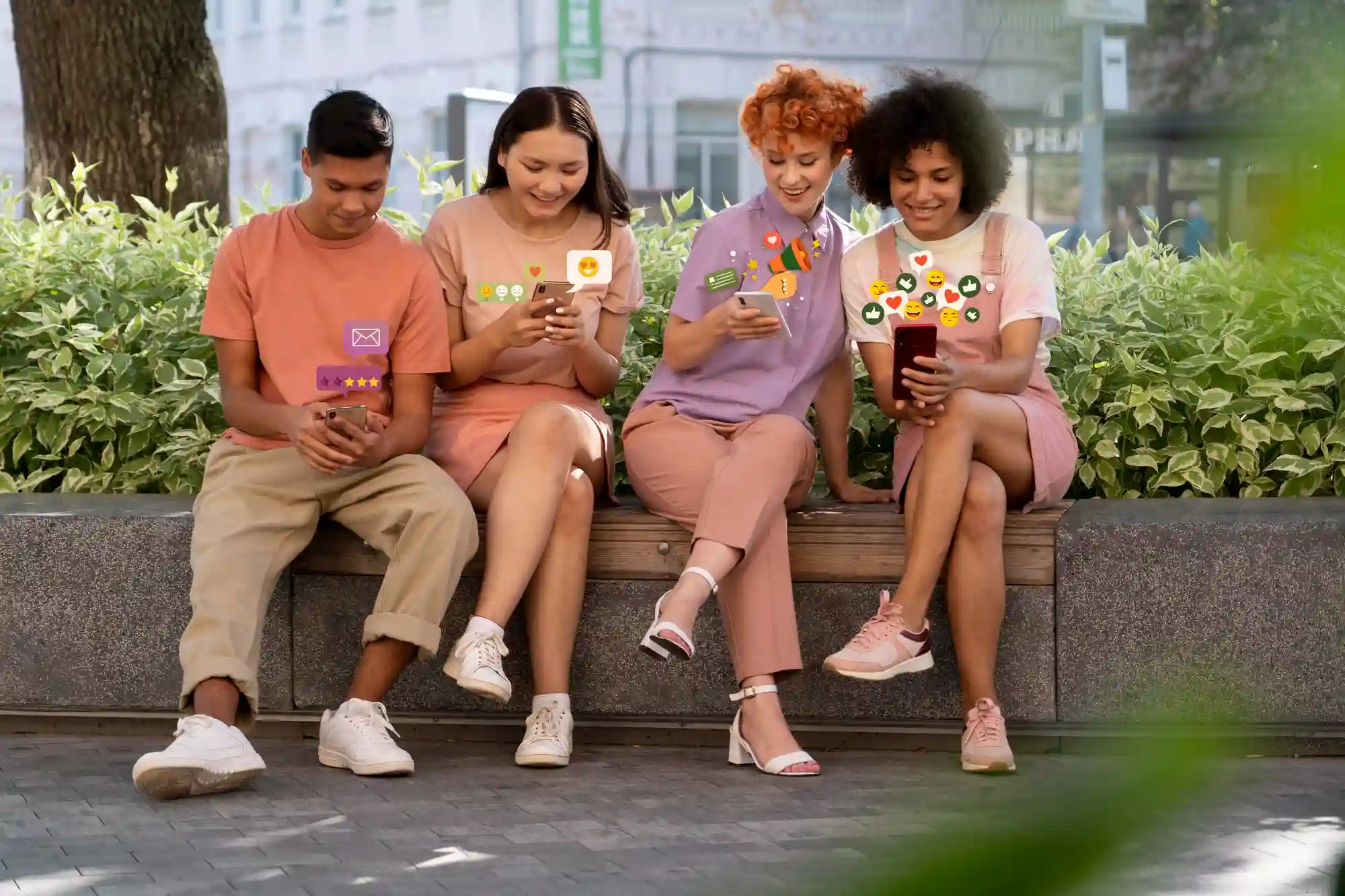
The year-long standoff is over. After months of protest, painting chaotic scenarios of privacy invasion and endless log-ins, Big Tech has quietly folded. Come December 10, platforms like Meta’s Instagram, TikTok, and Snap will begin an unprecedented digital purge: deactivating over a million accounts held by Australian teens under 16.
What was framed as a technical impossibility is now a compliance rush. The threats of massive fines (up to $32 million) and the cultural momentum from movements like "The Anxious Generation" have forced the industry's hand. Australia is about to become the world's first test lab for a large-scale, state-mandated social media ban for youth. But how they're doing it is the real story.
The End of the Unregulated Internet
This isn't just a regional policy. It’s a signal flare for the end of an era. For decades, the digital world operated on a flimsy "I agree" checkbox. Australia’s move signifies a global shift from platform self-regulation to sovereign enforcement. Governments, fueled by leaked documents on youth mental health and growing public anxiety, are finally calling the shots.
The chaos tech companies warned of—friction, flawed verification—is now the cost of doing business. This signals a new phase where digital platforms are treated less like rebellious startups and more like critical infrastructure, subject to the same public safety standards as any other industry. The rest of the world, from London to Paris, is watching.
The AI + AIO Layer
Here’s the twist: this compliance isn't being run on hard ID checks. Forget scanning a driver's license. The platforms are leaning on AI systems they already have.
For years, this software, originally built for marketing, has been "guessing" your age based on your digital footprint—who you follow, what you "like," and how you engage. This passive, AI-driven "age inference" is now being repurposed as a regulatory tool. It's the primary line of defense.
The second layer, the "age assurance" apps, only kicks in when a user complains they've been wrongly blocked. This is where companies like Yoti come in, asking for a selfie to let AI estimate your age from your facial features. This is Intelligence Orchestration in the wild: a multi-stage system where passive AI filters the masses, and active AI (facial estimation) handles the appeals. The problem? It’s deeply flawed, with known error rates and biases, especially for teens in the 16-17 age bracket who risk being locked out.
Strategic Implications
For brands, creators, and platforms, this new landscape is a minefield.
The "Gray-Banned" User: The 16-17-year-old demographic is now the highest-risk group. They are most likely to be wrongly flagged by AI but are least likely to have government ID to appeal. This creates a significant "service distortion" and a potential PR nightmare.
The Pivot from Engagement to Estimation: AI models trained for ad-targeting are now being used for legal compliance. This pivot is messy. It exposes platforms to massive fines if the "passive" AI fails to spot a 15-year-old, or to user fury if it wrongly blocks an 18-year-old.
The Next Battleground: This isn't the end; it's the start. Expect a rush of innovation (and lobbying) around "privacy-preserving" age verification. The company that solves this accurately and privately will own the keys to the next generation of the internet.
The Bottom Line
Australia is forcing a global reckoning: the era of plausible deniability is over. Platforms can no longer claim they don't know their users' ages. This is the first-ever war on digital anonymity, fought with flawed AI as the frontline weapon.
Also Read:

Australia's under-16 social media ban is here. Big Tech is complying, not with ID checks, but with imperfect AI. This is a global test case.
Big Tech Blinks: Inside the AI-Powered Takedown of Teen Social Media
The Great De-Teening
The year-long standoff is over. After months of protest, painting chaotic scenarios of privacy invasion and endless log-ins, Big Tech has quietly folded. Come December 10, platforms like Meta’s Instagram, TikTok, and Snap will begin an unprecedented digital purge: deactivating over a million accounts held by Australian teens under 16.
What was framed as a technical impossibility is now a compliance rush. The threats of massive fines (up to $32 million) and the cultural momentum from movements like "The Anxious Generation" have forced the industry's hand. Australia is about to become the world's first test lab for a large-scale, state-mandated social media ban for youth. But how they're doing it is the real story.
The End of the Unregulated Internet
This isn't just a regional policy. It’s a signal flare for the end of an era. For decades, the digital world operated on a flimsy "I agree" checkbox. Australia’s move signifies a global shift from platform self-regulation to sovereign enforcement. Governments, fueled by leaked documents on youth mental health and growing public anxiety, are finally calling the shots.
The chaos tech companies warned of—friction, flawed verification—is now the cost of doing business. This signals a new phase where digital platforms are treated less like rebellious startups and more like critical infrastructure, subject to the same public safety standards as any other industry. The rest of the world, from London to Paris, is watching.
The AI + AIO Layer
Here’s the twist: this compliance isn't being run on hard ID checks. Forget scanning a driver's license. The platforms are leaning on AI systems they already have.
For years, this software, originally built for marketing, has been "guessing" your age based on your digital footprint—who you follow, what you "like," and how you engage. This passive, AI-driven "age inference" is now being repurposed as a regulatory tool. It's the primary line of defense.
The second layer, the "age assurance" apps, only kicks in when a user complains they've been wrongly blocked. This is where companies like Yoti come in, asking for a selfie to let AI estimate your age from your facial features. This is Intelligence Orchestration in the wild: a multi-stage system where passive AI filters the masses, and active AI (facial estimation) handles the appeals. The problem? It’s deeply flawed, with known error rates and biases, especially for teens in the 16-17 age bracket who risk being locked out.
Strategic Implications
For brands, creators, and platforms, this new landscape is a minefield.
The "Gray-Banned" User: The 16-17-year-old demographic is now the highest-risk group. They are most likely to be wrongly flagged by AI but are least likely to have government ID to appeal. This creates a significant "service distortion" and a potential PR nightmare.
The Pivot from Engagement to Estimation: AI models trained for ad-targeting are now being used for legal compliance. This pivot is messy. It exposes platforms to massive fines if the "passive" AI fails to spot a 15-year-old, or to user fury if it wrongly blocks an 18-year-old.
The Next Battleground: This isn't the end; it's the start. Expect a rush of innovation (and lobbying) around "privacy-preserving" age verification. The company that solves this accurately and privately will own the keys to the next generation of the internet.
The Bottom Line
Australia is forcing a global reckoning: the era of plausible deniability is over. Platforms can no longer claim they don't know their users' ages. This is the first-ever war on digital anonymity, fought with flawed AI as the frontline weapon.
Also Read:
Other Blogs
Other Blogs
Check our other project Blogs with useful insight and information for your businesses


Other Blogs
Other Blogs
Check our other project Blogs with useful insight and information for your businesses