
December 19, 2025
BMG and TikTok Expand Music Rights Deal
December 19, 2025
BMG and TikTok Expand Music Rights Deal
BMG renews and expands its TikTok deal, boosting rights management and digital visibility in an AI-driven music landscape.
Opening Hook / Context
TikTok and BMG are doubling down on their music partnership, signaling that the platform’s music strategy is evolving fast — even as uncertainty lingers over TikTok’s U.S. fate. On December 18, 2025, both companies announced a renewed and “expanded” direct music-publishing agreement. The deal isn’t just about licenses; it’s about upgrading how music rights are tracked, reported, and managed in a digital-first world.
With the U.S. deadline for TikTok’s sale or ban now pushed to January 23, the company is focusing on its global music business as a lever for growth and creator retention. For BMG, this isn’t just another licensing contract — it’s a move to gain deeper insights into where and how its music is performing across a social-first ecosystem.
Deeper Insight / Trend Connection
The expansion reflects a broader trend in the creator economy: platforms are no longer passive distribution channels for music. TikTok is actively engineering the rules of music engagement, data transparency, and rights management. By enhancing reporting and attribution standards, this deal exemplifies how digital platforms are professionalizing music operations, benefiting both artists and labels.
We’re witnessing a shift from analog-style publishing to dynamic, data-driven rights ecosystems. This aligns with the rise of “intelligent publishing” where music is not just uploaded but actively tracked, optimized, and monetized through granular digital tools. In the era of short-form video virality, every clip, remix, or background use becomes measurable intellectual property — and TikTok is positioning itself at the forefront.
AI + AIO Layer
Where AI comes in is in both the monitoring and optimization of music rights. Advanced digital rights management platforms increasingly rely on machine learning to identify audio usage, detect unauthorized uploads, and match tracks to publishing data automatically.
BMG’s expanded capabilities likely include AI-driven attribution tools, providing predictive insights into how songs trend, which creators are driving plays, and which rights are under- or over-utilized. In other words, TikTok is not just a distribution channel — it’s becoming a music intelligence engine.
This is a perfect example of Intelligence Orchestration (AIO) in action: multiple systems — AI detection, reporting dashboards, rights management databases — are working in concert to give labels, artists, and platforms a clearer view of the value their content generates. It’s music publishing 2.0, powered by AI insights rather than spreadsheets.
Strategic or Industry Implications
For brands, creators, and music executives, this deal has immediate lessons:
Creators benefit from transparency: More accurate reporting means royalties and recognition are less likely to get lost in the shuffle of viral trends.
Labels gain actionable insights: AI-driven analytics allow publishers to see where and how songs resonate, informing marketing and licensing strategies.
Brands can tap data-informed music campaigns: Understanding trending tracks and creator engagement can help advertisers place music strategically in campaigns.
Platform-level integration matters: TikTok’s approach shows that directly embedded rights management and reporting is the future of scalable music licensing.
AI is a competitive advantage: Early adoption of intelligent attribution tools is likely to define which labels capture the most value from short-form video ecosystems.
The Bottom Line
TikTok’s renewed BMG deal signals a future where music rights are dynamic, AI-managed, and embedded into the flow of digital culture. For artists and labels, visibility and control over music usage will increasingly determine financial outcomes. In the age of viral soundtracks and intelligent publishing, knowing where your music lives and how it moves is no longer optional — it’s the core of creative strategy.
Also read:
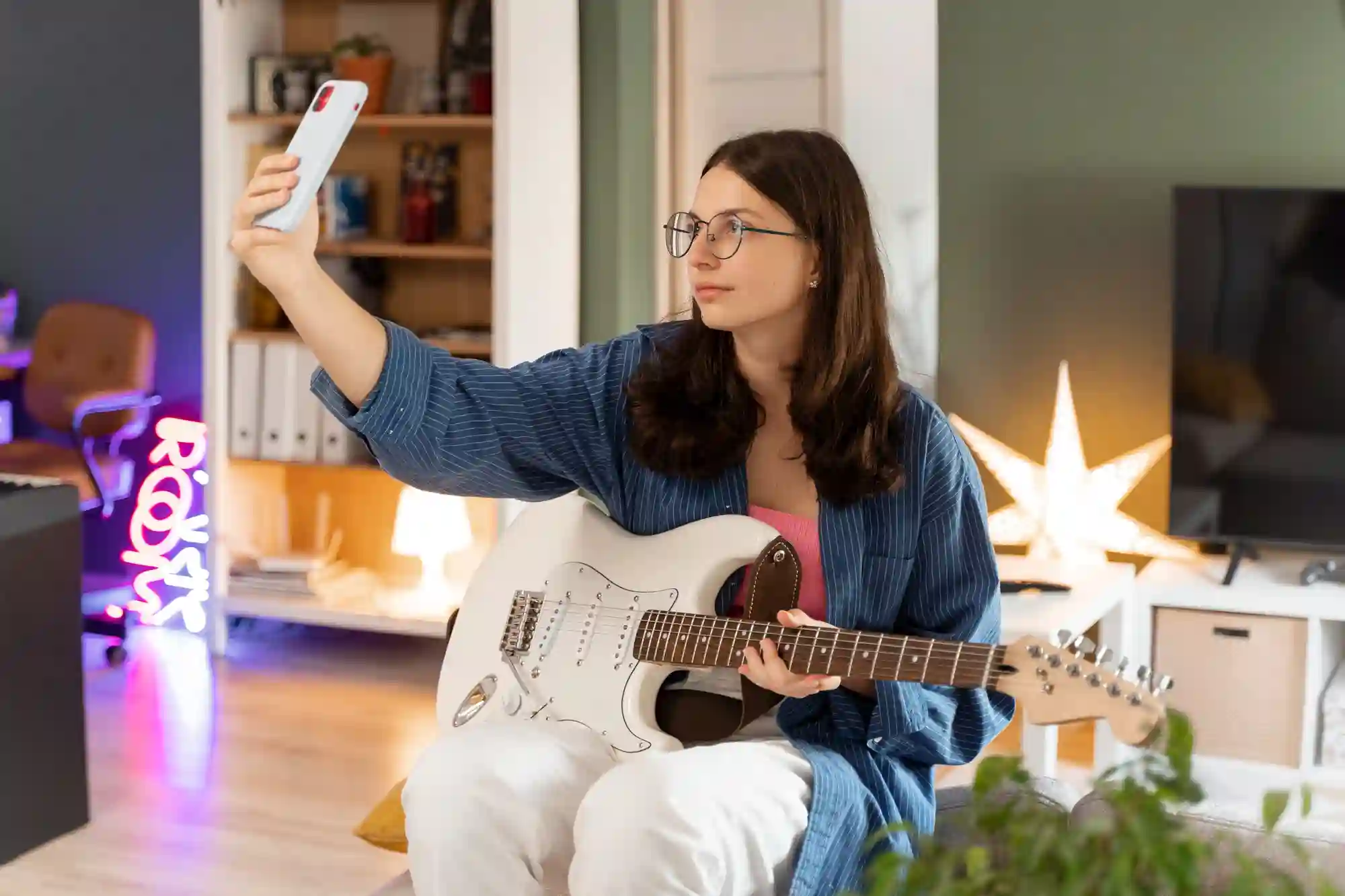

BMG renews and expands its TikTok deal, boosting rights management and digital visibility in an AI-driven music landscape.
Opening Hook / Context
TikTok and BMG are doubling down on their music partnership, signaling that the platform’s music strategy is evolving fast — even as uncertainty lingers over TikTok’s U.S. fate. On December 18, 2025, both companies announced a renewed and “expanded” direct music-publishing agreement. The deal isn’t just about licenses; it’s about upgrading how music rights are tracked, reported, and managed in a digital-first world.
With the U.S. deadline for TikTok’s sale or ban now pushed to January 23, the company is focusing on its global music business as a lever for growth and creator retention. For BMG, this isn’t just another licensing contract — it’s a move to gain deeper insights into where and how its music is performing across a social-first ecosystem.
Deeper Insight / Trend Connection
The expansion reflects a broader trend in the creator economy: platforms are no longer passive distribution channels for music. TikTok is actively engineering the rules of music engagement, data transparency, and rights management. By enhancing reporting and attribution standards, this deal exemplifies how digital platforms are professionalizing music operations, benefiting both artists and labels.
We’re witnessing a shift from analog-style publishing to dynamic, data-driven rights ecosystems. This aligns with the rise of “intelligent publishing” where music is not just uploaded but actively tracked, optimized, and monetized through granular digital tools. In the era of short-form video virality, every clip, remix, or background use becomes measurable intellectual property — and TikTok is positioning itself at the forefront.
AI + AIO Layer
Where AI comes in is in both the monitoring and optimization of music rights. Advanced digital rights management platforms increasingly rely on machine learning to identify audio usage, detect unauthorized uploads, and match tracks to publishing data automatically.
BMG’s expanded capabilities likely include AI-driven attribution tools, providing predictive insights into how songs trend, which creators are driving plays, and which rights are under- or over-utilized. In other words, TikTok is not just a distribution channel — it’s becoming a music intelligence engine.
This is a perfect example of Intelligence Orchestration (AIO) in action: multiple systems — AI detection, reporting dashboards, rights management databases — are working in concert to give labels, artists, and platforms a clearer view of the value their content generates. It’s music publishing 2.0, powered by AI insights rather than spreadsheets.
Strategic or Industry Implications
For brands, creators, and music executives, this deal has immediate lessons:
Creators benefit from transparency: More accurate reporting means royalties and recognition are less likely to get lost in the shuffle of viral trends.
Labels gain actionable insights: AI-driven analytics allow publishers to see where and how songs resonate, informing marketing and licensing strategies.
Brands can tap data-informed music campaigns: Understanding trending tracks and creator engagement can help advertisers place music strategically in campaigns.
Platform-level integration matters: TikTok’s approach shows that directly embedded rights management and reporting is the future of scalable music licensing.
AI is a competitive advantage: Early adoption of intelligent attribution tools is likely to define which labels capture the most value from short-form video ecosystems.
The Bottom Line
TikTok’s renewed BMG deal signals a future where music rights are dynamic, AI-managed, and embedded into the flow of digital culture. For artists and labels, visibility and control over music usage will increasingly determine financial outcomes. In the age of viral soundtracks and intelligent publishing, knowing where your music lives and how it moves is no longer optional — it’s the core of creative strategy.
Also read:
Other Blogs
Other Blogs
Check our other project Blogs with useful insight and information for your businesses



Other Blogs
Other Blogs
Check our other project Blogs with useful insight and information for your businesses