February 10, 2026
ByteDance AI Videos Spark TikTok Evolution
February 10, 2026
ByteDance AI Videos Spark TikTok Evolution
ByteDance’s cinematic AI video models are creating buzz — signaling a shift from static clips to predictive, generative content on social platforms.
Opening Hook / Context — The AI Video Moment
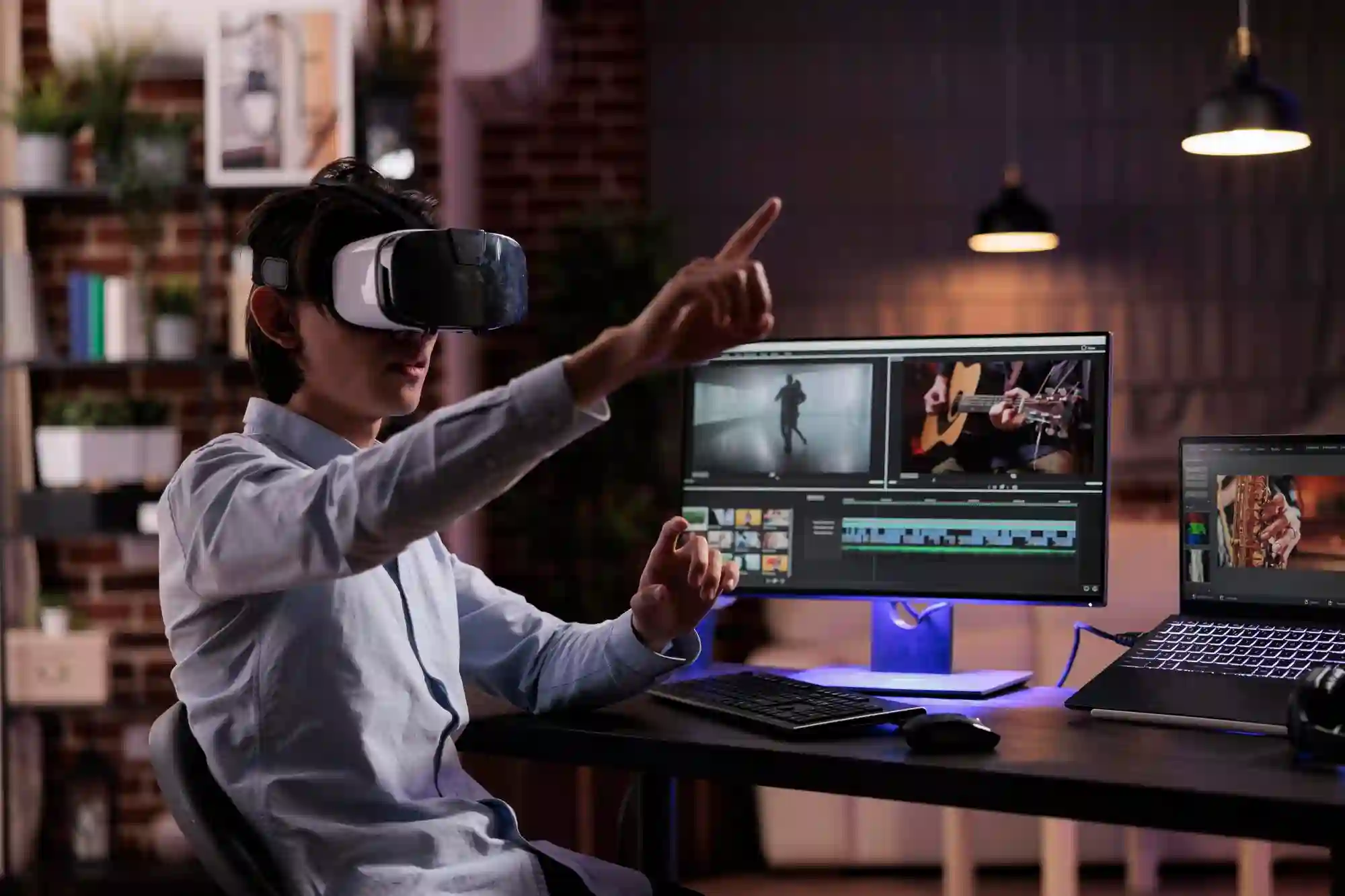
ByteDance, the Chinese tech giant behind TikTok, has ignited fresh excitement in the tech world with its latest artificial-intelligence video generation tools. A wave of hyper-realistic clips — produced by models like Seedance 2.0 — has captured attention online, spotlighting a new phase in AI-generated visual content that could redefine how we think about video creation on social platforms. These models are emerging just as TikTok transitions under new ownership dynamics in the United States, giving ByteDance a dual narrative: creative innovation on the one hand and geopolitical recalibration on the other.
While TikTok remains dominant as a short-form video platform, the emergence of cinematic AI-generated video represents a deeper evolution — from reactive, user-uploaded clips to content that’s synthesized, dynamic, and predictive at scale.
Deeper Insight / Trend Connection — From TikTok to AI-First Creativity
At its core, TikTok isn’t simply a place to watch dance challenges or product demos — it’s a behavioral prediction engine: every swipe, pause, and rewatch feeds machine learning systems that drive further personalization. But tools like Seedance 2.0 go beyond feeding the algorithm with human content — they produce the content itself based on AI understanding of style, motion, and narrative cues.
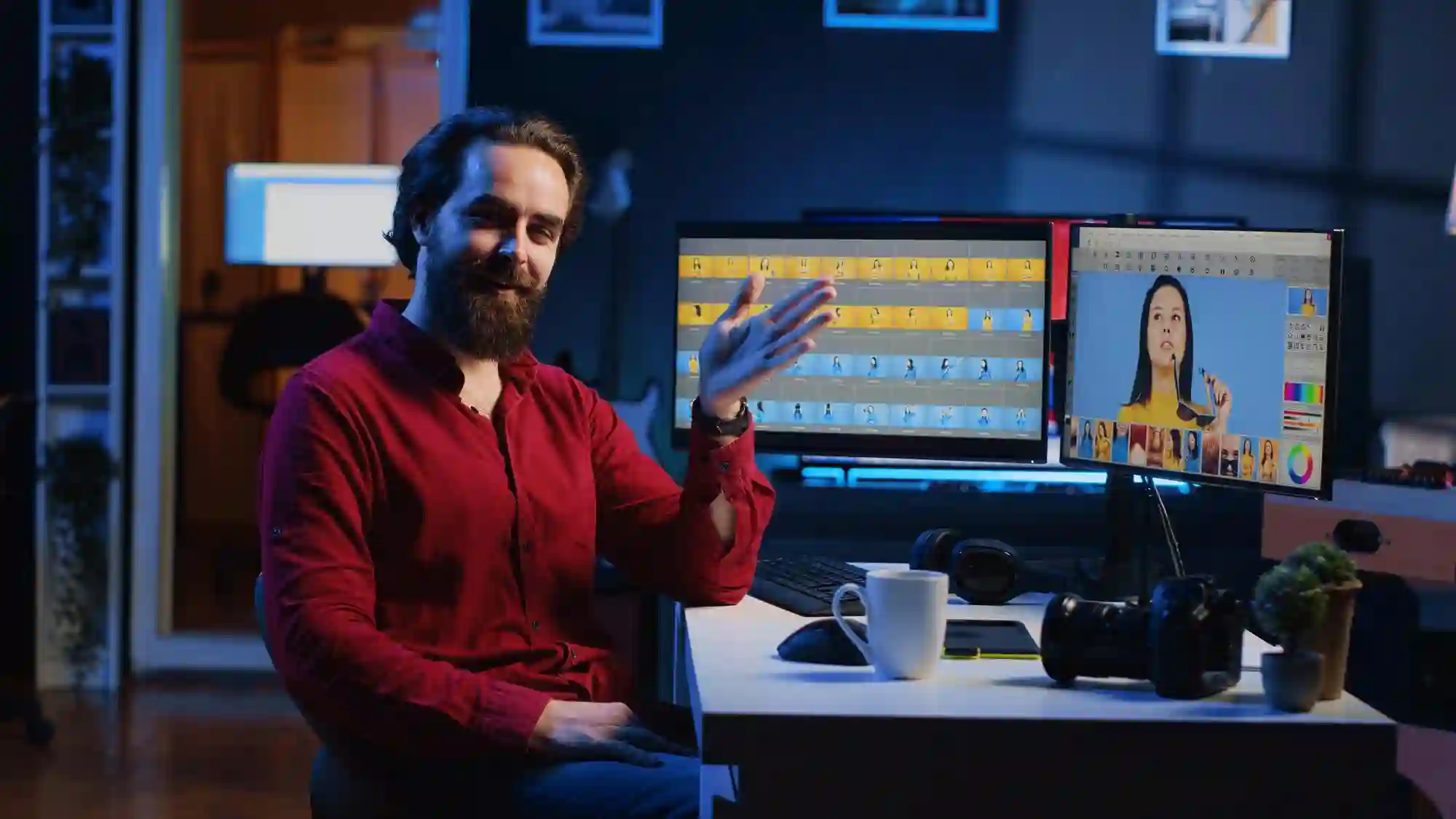
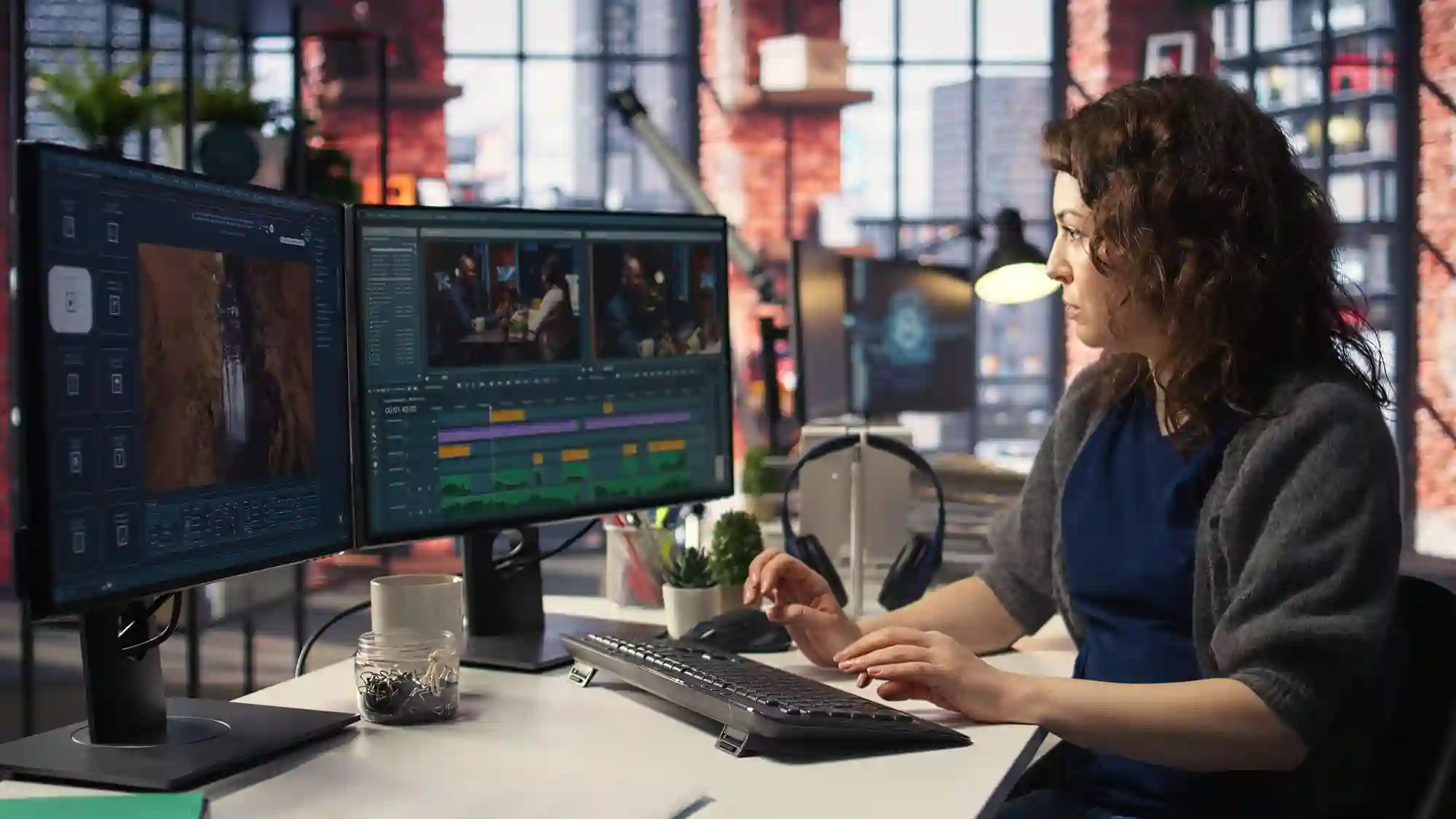
This isn’t just trend spotting — it’s about trend generation. AI video engines increasingly blur the line between creation and curation: instead of humans providing all raw footage, models can now generate entire video sequences from minimal inputs. Early tests have produced cinematic clips that rival traditional editing workflows in visual fidelity — and in doing so, they push platforms like TikTok to reconsider how content is made rather than just distributed.
In a cultural landscape where short-form video is already the dominant means of storytelling, generative video tech nudges us toward a future where content originates in code as much as it does in human capture.
AI + AIO Layer — Where Intelligence Orchestrates Creation
To make sense of where this trend fits into the AI landscape, it helps to break down how these video models actually operate — and why they matter:
Generative Models as Creative Colliders
Where old-school video editing required footage first, generative AI like Seedance 2.0 ingests multimodal inputs — text, photos, existing clips, even audio — then synthesizes new video by reconciling these signals into coherent motion sequences. This isn’t random output; it’s pattern replication on steroids, grounded in millions of learned representations of how visuals typically unfold.
AI as Narrative Engine
The video models don’t just produce frames — they interpret intent. By understanding semantics across modalities (words, images, sounds), they can build stories that feel intentional, not accidental. This marks a shift in creative workflows: from crafting by hand to orchestrating through prompts — a hallmark of intelligence orchestration (AIO).
Enhancement Rather than Replacement
These tools aren’t simply replacing creators; they are augmenting them. By streamlining ideation, eliminating technical barriers, and embedding rhythm recognition (e.g., syncing visuals to audio), AI systems extend creative capacity — but they also reshape the expectations of what engaging video looks like in an era of algorithmic attention economics.
Strategic or Industry Implications — What Brands and Platforms Should Know
The rise of cinematic AI video features several strategic implications for businesses, creators, and digital ecosystems:
Creative workflows are heading toward prompt-driven production: Investing in AI literacy isn’t optional if brands want to participate in the next wave of video content — from storyboards to finished clips.
Platform algorithms will reward generative content that matches behavioral signals: Early engagement metrics — views, watch time, rewatches — will increasingly signal to AI systems which synthesized video resonates.
Ethics, authenticity, and labeling matter: As realistic clips proliferate, transparency about AI generation will become a competitive and regulatory requirement (echoing wider content provenance standards).
AI video becomes a new battleground between tech ecosystems: ByteDance isn’t alone — competitors like OpenAI and stability AI labs are building parallel generative pipelines — signaling a broader race to own the future of short-form and long-form video.
Monetization and creator incentives will evolve: As platforms weave AI creation into monetization layers, creators could see new revenue streams tied directly to AI-enhanced output rather than traditional uploads.
The Bottom Line — Where We’re Headed Next
ByteDance’s breakthrough in AI video isn’t just another tech demo — it’s a harbinger of how visual media will be conceived, crafted, and consumed in the years ahead. The creative frontier is shifting from manual capture to AI-augmented storytelling, where algorithms don’t just surface trends — they generate the narratives people watch.
Also read:
ByteDance’s cinematic AI video models are creating buzz — signaling a shift from static clips to predictive, generative content on social platforms.
Opening Hook / Context — The AI Video Moment
ByteDance, the Chinese tech giant behind TikTok, has ignited fresh excitement in the tech world with its latest artificial-intelligence video generation tools. A wave of hyper-realistic clips — produced by models like Seedance 2.0 — has captured attention online, spotlighting a new phase in AI-generated visual content that could redefine how we think about video creation on social platforms. These models are emerging just as TikTok transitions under new ownership dynamics in the United States, giving ByteDance a dual narrative: creative innovation on the one hand and geopolitical recalibration on the other.
While TikTok remains dominant as a short-form video platform, the emergence of cinematic AI-generated video represents a deeper evolution — from reactive, user-uploaded clips to content that’s synthesized, dynamic, and predictive at scale.
Deeper Insight / Trend Connection — From TikTok to AI-First Creativity
At its core, TikTok isn’t simply a place to watch dance challenges or product demos — it’s a behavioral prediction engine: every swipe, pause, and rewatch feeds machine learning systems that drive further personalization. But tools like Seedance 2.0 go beyond feeding the algorithm with human content — they produce the content itself based on AI understanding of style, motion, and narrative cues.
This isn’t just trend spotting — it’s about trend generation. AI video engines increasingly blur the line between creation and curation: instead of humans providing all raw footage, models can now generate entire video sequences from minimal inputs. Early tests have produced cinematic clips that rival traditional editing workflows in visual fidelity — and in doing so, they push platforms like TikTok to reconsider how content is made rather than just distributed.
In a cultural landscape where short-form video is already the dominant means of storytelling, generative video tech nudges us toward a future where content originates in code as much as it does in human capture.
AI + AIO Layer — Where Intelligence Orchestrates Creation
To make sense of where this trend fits into the AI landscape, it helps to break down how these video models actually operate — and why they matter:
Generative Models as Creative Colliders
Where old-school video editing required footage first, generative AI like Seedance 2.0 ingests multimodal inputs — text, photos, existing clips, even audio — then synthesizes new video by reconciling these signals into coherent motion sequences. This isn’t random output; it’s pattern replication on steroids, grounded in millions of learned representations of how visuals typically unfold.
AI as Narrative Engine
The video models don’t just produce frames — they interpret intent. By understanding semantics across modalities (words, images, sounds), they can build stories that feel intentional, not accidental. This marks a shift in creative workflows: from crafting by hand to orchestrating through prompts — a hallmark of intelligence orchestration (AIO).
Enhancement Rather than Replacement
These tools aren’t simply replacing creators; they are augmenting them. By streamlining ideation, eliminating technical barriers, and embedding rhythm recognition (e.g., syncing visuals to audio), AI systems extend creative capacity — but they also reshape the expectations of what engaging video looks like in an era of algorithmic attention economics.
Strategic or Industry Implications — What Brands and Platforms Should Know
The rise of cinematic AI video features several strategic implications for businesses, creators, and digital ecosystems:
Creative workflows are heading toward prompt-driven production: Investing in AI literacy isn’t optional if brands want to participate in the next wave of video content — from storyboards to finished clips.
Platform algorithms will reward generative content that matches behavioral signals: Early engagement metrics — views, watch time, rewatches — will increasingly signal to AI systems which synthesized video resonates.
Ethics, authenticity, and labeling matter: As realistic clips proliferate, transparency about AI generation will become a competitive and regulatory requirement (echoing wider content provenance standards).
AI video becomes a new battleground between tech ecosystems: ByteDance isn’t alone — competitors like OpenAI and stability AI labs are building parallel generative pipelines — signaling a broader race to own the future of short-form and long-form video.
Monetization and creator incentives will evolve: As platforms weave AI creation into monetization layers, creators could see new revenue streams tied directly to AI-enhanced output rather than traditional uploads.
The Bottom Line — Where We’re Headed Next
ByteDance’s breakthrough in AI video isn’t just another tech demo — it’s a harbinger of how visual media will be conceived, crafted, and consumed in the years ahead. The creative frontier is shifting from manual capture to AI-augmented storytelling, where algorithms don’t just surface trends — they generate the narratives people watch.
Also read:
Other Blogs
Other Blogs
Check our other project Blogs with useful insight and information for your businesses

Other Blogs
Other Blogs
Check our other project Blogs with useful insight and information for your businesses