
February 12, 2026
ByteDance, Samsung AI Chip Deal Aims at Nvidia
February 12, 2026
ByteDance, Samsung AI Chip Deal Aims at Nvidia
ByteDance is developing its own AI chip with Samsung to secure supply and challenge Nvidia dominance in inference silicon.
Opening Hook / Context
In a move that subtly shifts the tectonic plates of the global AI hardware landscape, ByteDance—the Beijing-based parent of TikTok—is quietly building its own AI processor and negotiating with Samsung Electronics to bring it to life. According to people familiar with the matter, the effort aims to address the crippling supply constraints of advanced AI silicon and give ByteDance a foothold in the hardware stack that powers generative AI and large-scale inference workloads.
The project, code-named SeedChip, isn’t just another corporate R&D skunkworks. It’s part of a broader strategy that could reshape how the world’s big AI players think about dependency on dominant U.S. suppliers like Nvidia—and it underscores how chip sovereignty has become a geopolitical cornerstone of the tech era.
Deeper Insight / Trend Connection
For most of the past decade, the AI compute market has revolved around a familiar set of players: Nvidia’s GPUs powering training and inference workloads, and a handful of cloud vendors and hyperscalers passing through those chips to their customers. But that model is fracturing under pressure from multiple directions.
First, the raw demand for inference — the real-time execution of trained models — has exploded. Everything from recommendation engines and content moderation to real-time conversational AI needs hardware that’s cheaper, more efficient, and customized for specific workloads. Second, geopolitical tensions — notably U.S. export controls on advanced chips to Chinese firms — have accelerated a pivot toward in-house silicon and local supply chains.
ByteDance’s timing reflects these twin trends. Custom silicon is no longer a luxury; it’s a competitive necessity. Companies like Google, Amazon, and Meta have already launched their own tensor processors to diversify their stacks. Chinese peers like Alibaba and Baidu aren’t far behind with their own AI chips. ByteDance’s bid is part of this larger narrative: chip development is now inseparable from AI strategy.
Negotiations with Samsung reportedly go beyond contract manufacturing. They potentially include access to memory chips — a crucial and scarce component amid the AI infrastructure boom.
AI + AIO Layer
Here’s where the technical and strategic layers converge: the kind of chip ByteDance is pursuing is tuned for inference tasks — not just raw training grunt. That means it’s optimized to run pretrained models (like large language models or recommendation models) at scale, efficiently and cost-effectively. If successful, this chip could underpin core parts of ByteDance’s AI ecosystem, from recommendation systems that power TikTok to conversational agents like Doubao and Dola.
In AI terms, this reflects a broader AIO (AI + Intelligence Orchestration) shift: hardware is ceasing to be a passive enabler and is becoming an active orchestrator of performance. Custom inference silicon can reduce latency, cut costs, and unlock new real-time experiences that general-purpose chips struggle to deliver. Instead of treating processors as commodities, future-oriented companies are treating them as strategic R&D levers — tightly integrated with their software and data pipelines.
That’s where ByteDance’s plan gets interesting: rather than buying time on someone else’s hardware, it’s attempting to build the physical infrastructure that maximizes its own AI tech stack’s potential — an approach that could yield better integration between models, apps, and devices.
Strategic or Industry Implications
ByteDance’s AI chip effort has implications that ripple beyond one company’s balance sheet. Here are the key industry takeaways:
• Supply chain diversification is non-negotiable. Companies are no longer satisfied relying solely on third-party GPUs. Custom silicon offers autonomy in a fractured geopolitical environment.
• Inference silicon is the new frontier. Training chips still dominate headlines, but inference — the workhorse of deployed AI — is where volume, cost, and AI experiences are defined.
• Memory scarcity is a bottleneck. Access to cutting-edge memory tech (like HBM) is as strategic as the processor itself. Samsung’s strength here may be a key reason it’s on ByteDance’s shortlist.
• Geopolitics shapes technology roadmaps. U.S. export controls have nudged Chinese companies toward self-reliance, and Western firms must grapple with fragmented markets and competing standards.
• Competitive diversification is accelerating. With Alibaba, Baidu, and global hyperscalers all building custom silicon, ByteDance’s move signals that even consumer-facing platforms view hardware as strategic infrastructure.
The Bottom Line
ByteDance’s push into custom AI silicon — paired with Samsung’s manufacturing muscle — underscores a near-term future where hardware strategy is as central to AI success as algorithmic innovation. In a world where chips define performance ceilings and geopolitical fault lines, the fastest path to competitive advantage may be building your own.
Also read:-
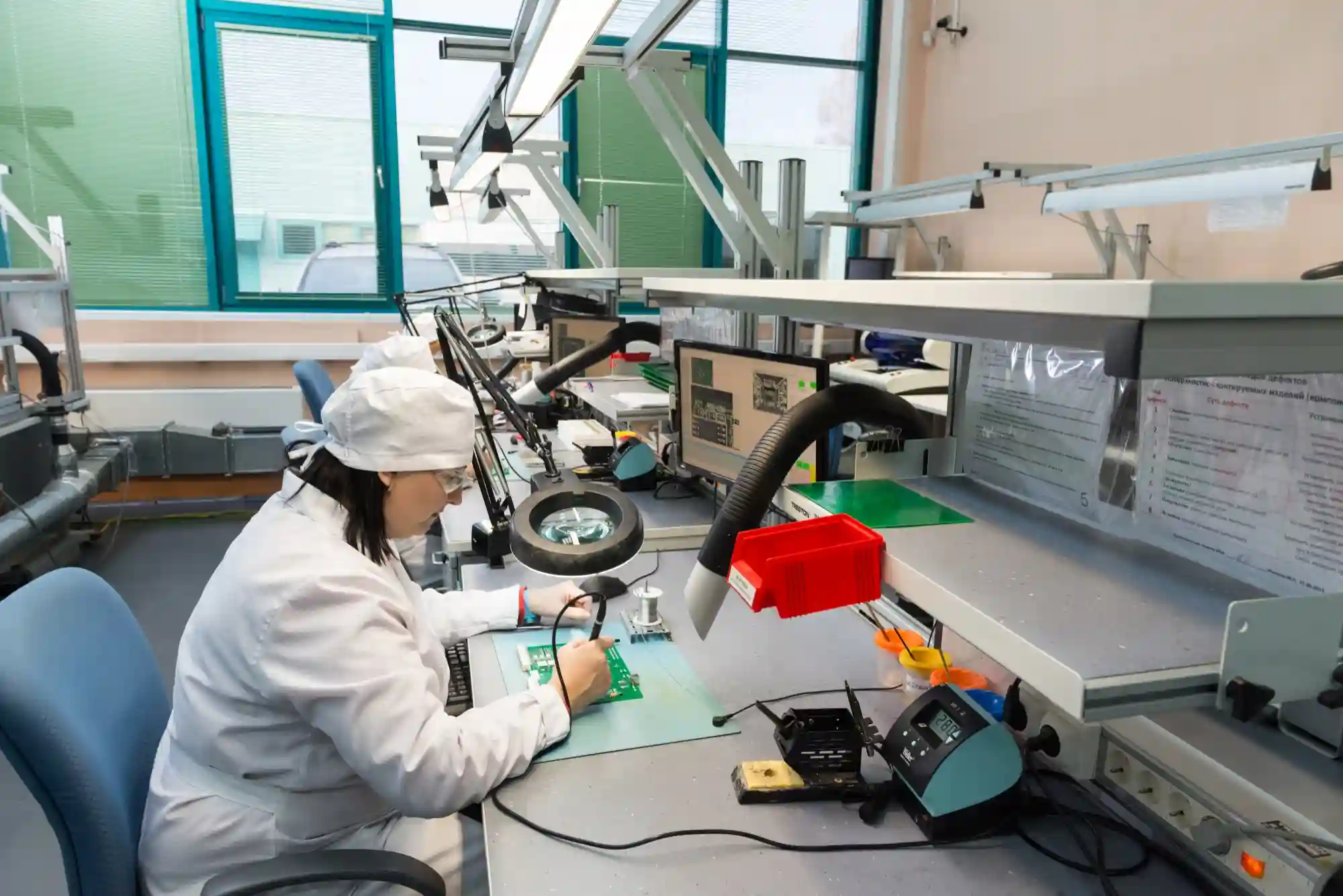

ByteDance is developing its own AI chip with Samsung to secure supply and challenge Nvidia dominance in inference silicon.
Opening Hook / Context
In a move that subtly shifts the tectonic plates of the global AI hardware landscape, ByteDance—the Beijing-based parent of TikTok—is quietly building its own AI processor and negotiating with Samsung Electronics to bring it to life. According to people familiar with the matter, the effort aims to address the crippling supply constraints of advanced AI silicon and give ByteDance a foothold in the hardware stack that powers generative AI and large-scale inference workloads.
The project, code-named SeedChip, isn’t just another corporate R&D skunkworks. It’s part of a broader strategy that could reshape how the world’s big AI players think about dependency on dominant U.S. suppliers like Nvidia—and it underscores how chip sovereignty has become a geopolitical cornerstone of the tech era.
Deeper Insight / Trend Connection
For most of the past decade, the AI compute market has revolved around a familiar set of players: Nvidia’s GPUs powering training and inference workloads, and a handful of cloud vendors and hyperscalers passing through those chips to their customers. But that model is fracturing under pressure from multiple directions.
First, the raw demand for inference — the real-time execution of trained models — has exploded. Everything from recommendation engines and content moderation to real-time conversational AI needs hardware that’s cheaper, more efficient, and customized for specific workloads. Second, geopolitical tensions — notably U.S. export controls on advanced chips to Chinese firms — have accelerated a pivot toward in-house silicon and local supply chains.
ByteDance’s timing reflects these twin trends. Custom silicon is no longer a luxury; it’s a competitive necessity. Companies like Google, Amazon, and Meta have already launched their own tensor processors to diversify their stacks. Chinese peers like Alibaba and Baidu aren’t far behind with their own AI chips. ByteDance’s bid is part of this larger narrative: chip development is now inseparable from AI strategy.
Negotiations with Samsung reportedly go beyond contract manufacturing. They potentially include access to memory chips — a crucial and scarce component amid the AI infrastructure boom.
AI + AIO Layer
Here’s where the technical and strategic layers converge: the kind of chip ByteDance is pursuing is tuned for inference tasks — not just raw training grunt. That means it’s optimized to run pretrained models (like large language models or recommendation models) at scale, efficiently and cost-effectively. If successful, this chip could underpin core parts of ByteDance’s AI ecosystem, from recommendation systems that power TikTok to conversational agents like Doubao and Dola.
In AI terms, this reflects a broader AIO (AI + Intelligence Orchestration) shift: hardware is ceasing to be a passive enabler and is becoming an active orchestrator of performance. Custom inference silicon can reduce latency, cut costs, and unlock new real-time experiences that general-purpose chips struggle to deliver. Instead of treating processors as commodities, future-oriented companies are treating them as strategic R&D levers — tightly integrated with their software and data pipelines.
That’s where ByteDance’s plan gets interesting: rather than buying time on someone else’s hardware, it’s attempting to build the physical infrastructure that maximizes its own AI tech stack’s potential — an approach that could yield better integration between models, apps, and devices.
Strategic or Industry Implications
ByteDance’s AI chip effort has implications that ripple beyond one company’s balance sheet. Here are the key industry takeaways:
• Supply chain diversification is non-negotiable. Companies are no longer satisfied relying solely on third-party GPUs. Custom silicon offers autonomy in a fractured geopolitical environment.
• Inference silicon is the new frontier. Training chips still dominate headlines, but inference — the workhorse of deployed AI — is where volume, cost, and AI experiences are defined.
• Memory scarcity is a bottleneck. Access to cutting-edge memory tech (like HBM) is as strategic as the processor itself. Samsung’s strength here may be a key reason it’s on ByteDance’s shortlist.
• Geopolitics shapes technology roadmaps. U.S. export controls have nudged Chinese companies toward self-reliance, and Western firms must grapple with fragmented markets and competing standards.
• Competitive diversification is accelerating. With Alibaba, Baidu, and global hyperscalers all building custom silicon, ByteDance’s move signals that even consumer-facing platforms view hardware as strategic infrastructure.
The Bottom Line
ByteDance’s push into custom AI silicon — paired with Samsung’s manufacturing muscle — underscores a near-term future where hardware strategy is as central to AI success as algorithmic innovation. In a world where chips define performance ceilings and geopolitical fault lines, the fastest path to competitive advantage may be building your own.
Also read:-
Other Blogs
Other Blogs
Check our other project Blogs with useful insight and information for your businesses



Other Blogs
Other Blogs
Check our other project Blogs with useful insight and information for your businesses