December 25, 2025
China’s TikTok JV Response
December 25, 2025
China’s TikTok JV Response
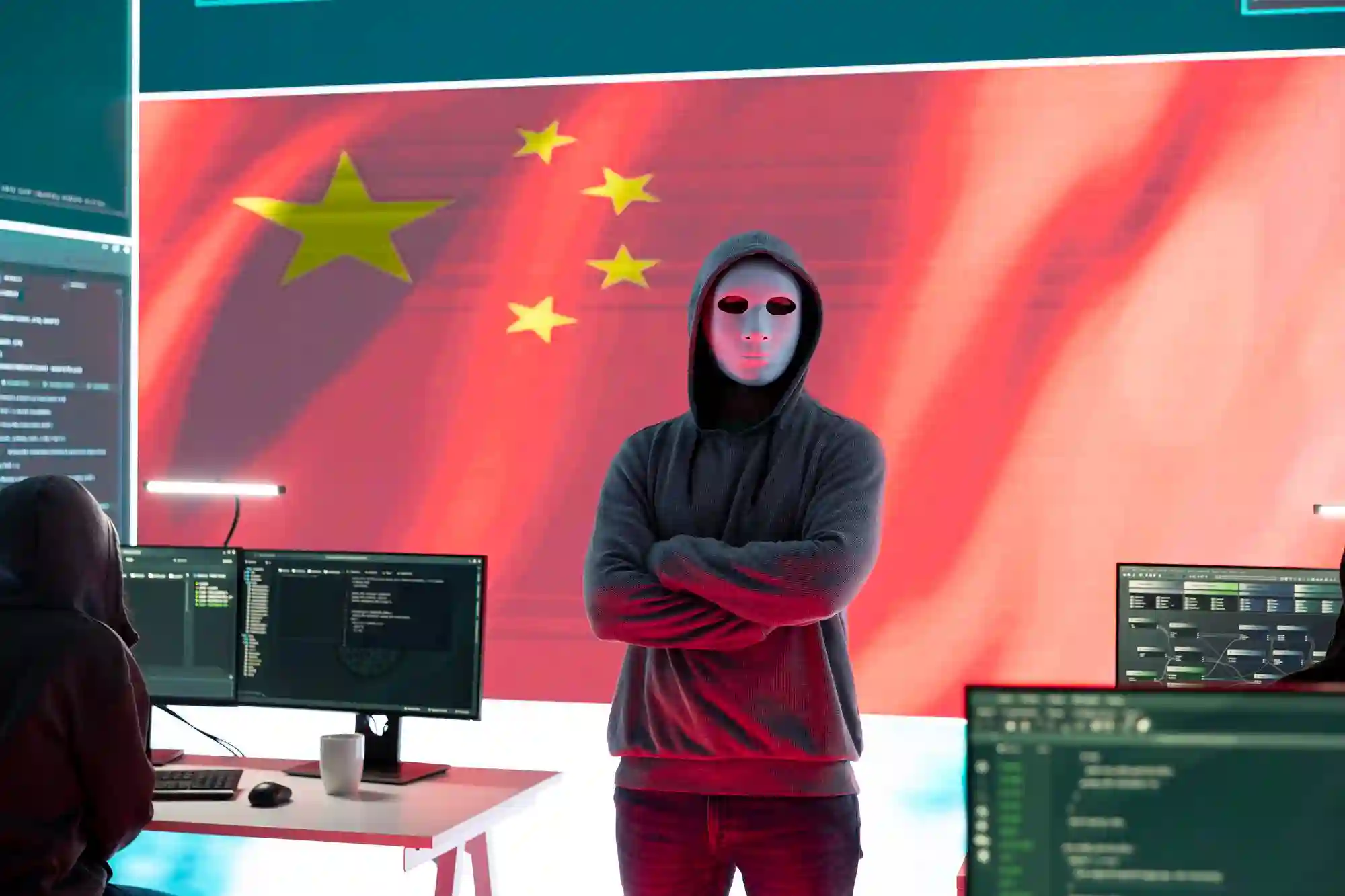
Beijing urges a legally compliant, balanced TikTok U.S. joint venture — signaling geopolitical and tech-regulatory tensions.
Opening Hook / Context
After years of high-stakes drama over TikTok’s future in the United States — from threatened bans to political firestorms — the social video giant finally struck a major deal to reorganize its U.S. business. A consortium led by Oracle, Silver Lake and other investors agreed to form a majority U.S.–controlled joint venture, allowing TikTok to keep operating in one of its largest global markets. That deal, however, hasn’t just rippled through Silicon Valley headlines — it has elicited a carefully calibrated, unusually cautious response from Beijing. CGTN News+1
China’s Ministry of Commerce, speaking at a routine press briefing, didn’t hail TikTok’s new structure as a victory or even directly endorse it. Instead, officials reiterated that any solution has to comply with Chinese laws, achieve balanced outcomes for all parties, and reflect broader trade-diplomacy consensus — a tone that echoes Beijing’s broader posture toward U.S.–China tech negotiations. Reuters
This moment isn’t just about an app. It’s emblematic of how digital geopolitics, national security anxieties, and global platform capitalism are colliding in real time.
Deeper Insight / Trend Connection
TikTok’s U.S. Rebirth — And Why Beijing Cares
TikTok’s pivot to a U.S.-majority joint venture comes after years of friction. U.S. regulators and politicians — especially during the tumultuous 2024–25 political cycle — pushed to force divestiture of TikTok’s U.S. operations over national security and data privacy concerns. That pressure culminated in a high-profile restructuring deal designed to keep the app alive in the American market while limiting Chinese corporate control. Reuters
The Chinese government’s public stance, however, has been deliberately nuanced. Rather than broadcasting approval, it’s emphasizing legal compliance and balance — a rhetorical strategy that keeps diplomatic options open while signaling that Beijing hasn’t “signed off” unilaterally. There’s a clear subtext: even if the deal is business-oriented, it occurs against broader trends of technology sovereignty and cross-border tech regulation.
This isn’t just trade talk. It’s part of an emerging pattern where platforms — not just nation-states — are policy battlegrounds in the 21st-century digital order.
AI + AIO Layer
Algorithms, Data, and the Invisible Architecture of Influence
TikTok’s very essence — its recommendation algorithm — sits at the intersection of artificial intelligence and global politics. The joint venture deal’s focus on U.S. data governance and algorithm retraining underscores how AI governance has become a central theatre in geopolitical tension:
Data localization and retraining: Oracle’s role in overseeing U.S. user data and retraining algorithmic models is essentially an AI governance strategy — aligning data flows with regulatory demands while engineering the machine learning backbone for compliance. AP News
Algorithmic trust as diplomatic currency: The insistence on U.S. control over sensitive AI infrastructure reflects how AI systems are now treated as strategic assets — not just technical tools — in national security calculus.
AIO as risk management: This moment reaffirms a broader industry theme: Artificial Intelligence Orchestration (AIO) isn’t just about optimizing workflows — it’s now central to balancing privacy, regulatory compliance, cultural norms, and geopolitical risk.
Put simply, TikTok’s fate in the U.S. isn’t merely a merger and acquisition story. It’s an evolving narrative about how generative recommendation systems — built on deep learning, real-time personalization, and massive data streams — are governed across borders.
Strategic or Industry Implications
Here’s what this development means for brands, creators, and the broader tech ecosystem:
For global platforms: National security concerns are now baked into platform strategy. No longer can scale alone guarantee market access; governance infrastructure is equally crucial.
For AI developers: Regulatory compliance may require more than data safeguards — it may mean architectural redesigns of AI systems to meet local legal standards.
For content creators: Platform stability matters. TikTok’s continuity in the U.S. market preserves a major creative and economic outlet after years of uncertainty.
For policymakers: This episode reinforces the need for clear, technology-aware policy frameworks that balance innovation with legitimate security concerns.
For investors: Cross-border tech investments must now account for geopolitical risk layers previously absent from valuation models.
The Bottom Line
TikTok’s U.S. deal isn’t just a corporate pivot — it’s a case study in how AI platforms are becoming battlegrounds for geopolitical norms, regulatory guardrails, and digital sovereignty. The future of global tech might well hinge not on where code is written, but on where trust is legally codified.
Also read:
Opening Hook / Context
After years of high-stakes drama over TikTok’s future in the United States — from threatened bans to political firestorms — the social video giant finally struck a major deal to reorganize its U.S. business. A consortium led by Oracle, Silver Lake and other investors agreed to form a majority U.S.–controlled joint venture, allowing TikTok to keep operating in one of its largest global markets. That deal, however, hasn’t just rippled through Silicon Valley headlines — it has elicited a carefully calibrated, unusually cautious response from Beijing. CGTN News+1
China’s Ministry of Commerce, speaking at a routine press briefing, didn’t hail TikTok’s new structure as a victory or even directly endorse it. Instead, officials reiterated that any solution has to comply with Chinese laws, achieve balanced outcomes for all parties, and reflect broader trade-diplomacy consensus — a tone that echoes Beijing’s broader posture toward U.S.–China tech negotiations. Reuters
This moment isn’t just about an app. It’s emblematic of how digital geopolitics, national security anxieties, and global platform capitalism are colliding in real time.
Deeper Insight / Trend Connection
TikTok’s U.S. Rebirth — And Why Beijing Cares
TikTok’s pivot to a U.S.-majority joint venture comes after years of friction. U.S. regulators and politicians — especially during the tumultuous 2024–25 political cycle — pushed to force divestiture of TikTok’s U.S. operations over national security and data privacy concerns. That pressure culminated in a high-profile restructuring deal designed to keep the app alive in the American market while limiting Chinese corporate control. Reuters
The Chinese government’s public stance, however, has been deliberately nuanced. Rather than broadcasting approval, it’s emphasizing legal compliance and balance — a rhetorical strategy that keeps diplomatic options open while signaling that Beijing hasn’t “signed off” unilaterally. There’s a clear subtext: even if the deal is business-oriented, it occurs against broader trends of technology sovereignty and cross-border tech regulation.
This isn’t just trade talk. It’s part of an emerging pattern where platforms — not just nation-states — are policy battlegrounds in the 21st-century digital order.
AI + AIO Layer
Algorithms, Data, and the Invisible Architecture of Influence
TikTok’s very essence — its recommendation algorithm — sits at the intersection of artificial intelligence and global politics. The joint venture deal’s focus on U.S. data governance and algorithm retraining underscores how AI governance has become a central theatre in geopolitical tension:
Data localization and retraining: Oracle’s role in overseeing U.S. user data and retraining algorithmic models is essentially an AI governance strategy — aligning data flows with regulatory demands while engineering the machine learning backbone for compliance. AP News
Algorithmic trust as diplomatic currency: The insistence on U.S. control over sensitive AI infrastructure reflects how AI systems are now treated as strategic assets — not just technical tools — in national security calculus.
AIO as risk management: This moment reaffirms a broader industry theme: Artificial Intelligence Orchestration (AIO) isn’t just about optimizing workflows — it’s now central to balancing privacy, regulatory compliance, cultural norms, and geopolitical risk.
Put simply, TikTok’s fate in the U.S. isn’t merely a merger and acquisition story. It’s an evolving narrative about how generative recommendation systems — built on deep learning, real-time personalization, and massive data streams — are governed across borders.
Strategic or Industry Implications
Here’s what this development means for brands, creators, and the broader tech ecosystem:
For global platforms: National security concerns are now baked into platform strategy. No longer can scale alone guarantee market access; governance infrastructure is equally crucial.
For AI developers: Regulatory compliance may require more than data safeguards — it may mean architectural redesigns of AI systems to meet local legal standards.
For content creators: Platform stability matters. TikTok’s continuity in the U.S. market preserves a major creative and economic outlet after years of uncertainty.
For policymakers: This episode reinforces the need for clear, technology-aware policy frameworks that balance innovation with legitimate security concerns.
For investors: Cross-border tech investments must now account for geopolitical risk layers previously absent from valuation models.
The Bottom Line
TikTok’s U.S. deal isn’t just a corporate pivot — it’s a case study in how AI platforms are becoming battlegrounds for geopolitical norms, regulatory guardrails, and digital sovereignty. The future of global tech might well hinge not on where code is written, but on where trust is legally codified.
Also read:
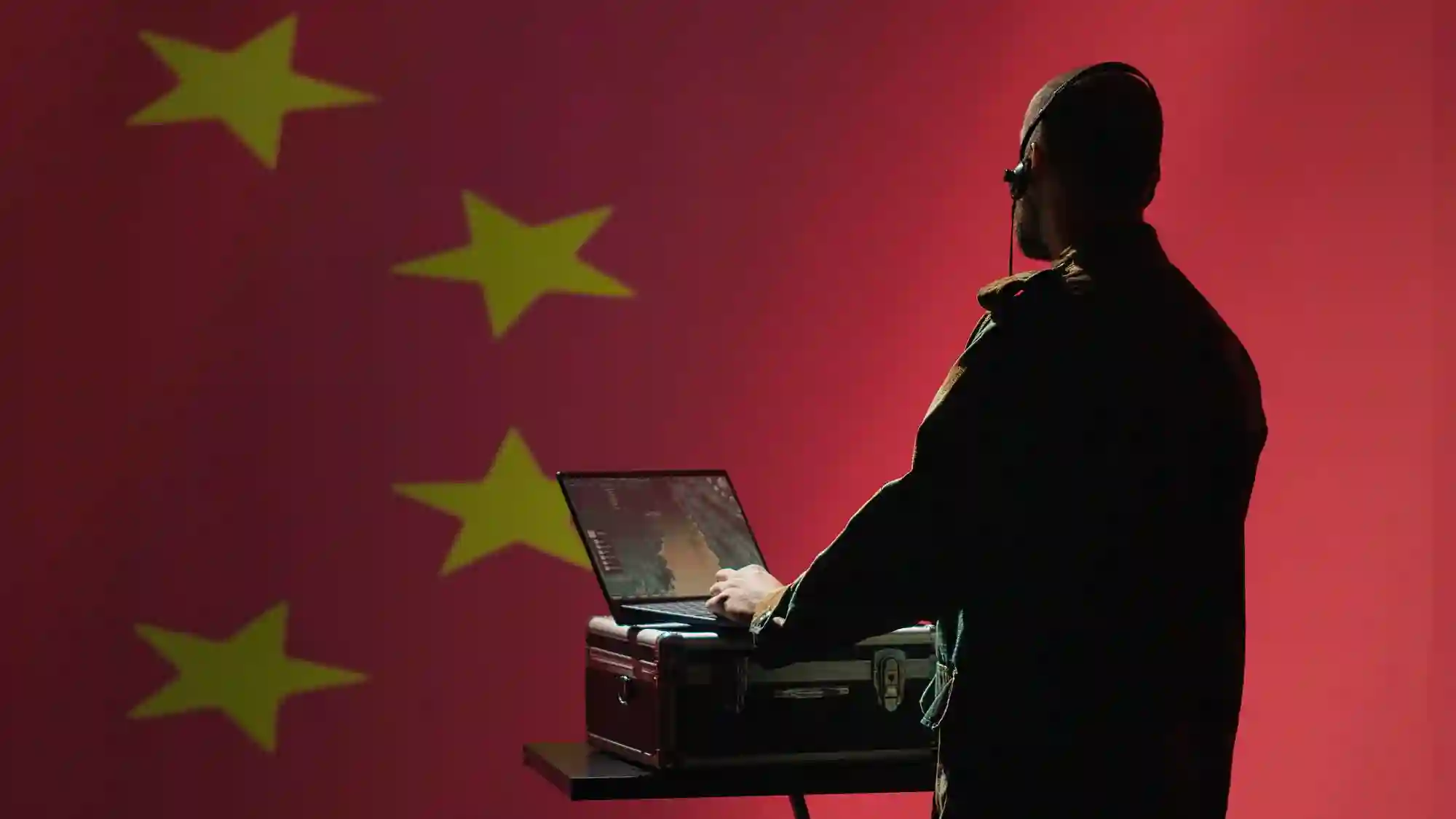
Beijing urges a legally compliant, balanced TikTok U.S. joint venture — signaling geopolitical and tech-regulatory tensions.
Opening Hook / Context
After years of high-stakes drama over TikTok’s future in the United States — from threatened bans to political firestorms — the social video giant finally struck a major deal to reorganize its U.S. business. A consortium led by Oracle, Silver Lake and other investors agreed to form a majority U.S.–controlled joint venture, allowing TikTok to keep operating in one of its largest global markets. That deal, however, hasn’t just rippled through Silicon Valley headlines — it has elicited a carefully calibrated, unusually cautious response from Beijing. CGTN News+1
China’s Ministry of Commerce, speaking at a routine press briefing, didn’t hail TikTok’s new structure as a victory or even directly endorse it. Instead, officials reiterated that any solution has to comply with Chinese laws, achieve balanced outcomes for all parties, and reflect broader trade-diplomacy consensus — a tone that echoes Beijing’s broader posture toward U.S.–China tech negotiations. Reuters
This moment isn’t just about an app. It’s emblematic of how digital geopolitics, national security anxieties, and global platform capitalism are colliding in real time.
Deeper Insight / Trend Connection
TikTok’s U.S. Rebirth — And Why Beijing Cares
TikTok’s pivot to a U.S.-majority joint venture comes after years of friction. U.S. regulators and politicians — especially during the tumultuous 2024–25 political cycle — pushed to force divestiture of TikTok’s U.S. operations over national security and data privacy concerns. That pressure culminated in a high-profile restructuring deal designed to keep the app alive in the American market while limiting Chinese corporate control. Reuters
The Chinese government’s public stance, however, has been deliberately nuanced. Rather than broadcasting approval, it’s emphasizing legal compliance and balance — a rhetorical strategy that keeps diplomatic options open while signaling that Beijing hasn’t “signed off” unilaterally. There’s a clear subtext: even if the deal is business-oriented, it occurs against broader trends of technology sovereignty and cross-border tech regulation.
This isn’t just trade talk. It’s part of an emerging pattern where platforms — not just nation-states — are policy battlegrounds in the 21st-century digital order.
AI + AIO Layer
Algorithms, Data, and the Invisible Architecture of Influence
TikTok’s very essence — its recommendation algorithm — sits at the intersection of artificial intelligence and global politics. The joint venture deal’s focus on U.S. data governance and algorithm retraining underscores how AI governance has become a central theatre in geopolitical tension:
Data localization and retraining: Oracle’s role in overseeing U.S. user data and retraining algorithmic models is essentially an AI governance strategy — aligning data flows with regulatory demands while engineering the machine learning backbone for compliance. AP News
Algorithmic trust as diplomatic currency: The insistence on U.S. control over sensitive AI infrastructure reflects how AI systems are now treated as strategic assets — not just technical tools — in national security calculus.
AIO as risk management: This moment reaffirms a broader industry theme: Artificial Intelligence Orchestration (AIO) isn’t just about optimizing workflows — it’s now central to balancing privacy, regulatory compliance, cultural norms, and geopolitical risk.
Put simply, TikTok’s fate in the U.S. isn’t merely a merger and acquisition story. It’s an evolving narrative about how generative recommendation systems — built on deep learning, real-time personalization, and massive data streams — are governed across borders.
Strategic or Industry Implications
Here’s what this development means for brands, creators, and the broader tech ecosystem:
For global platforms: National security concerns are now baked into platform strategy. No longer can scale alone guarantee market access; governance infrastructure is equally crucial.
For AI developers: Regulatory compliance may require more than data safeguards — it may mean architectural redesigns of AI systems to meet local legal standards.
For content creators: Platform stability matters. TikTok’s continuity in the U.S. market preserves a major creative and economic outlet after years of uncertainty.
For policymakers: This episode reinforces the need for clear, technology-aware policy frameworks that balance innovation with legitimate security concerns.
For investors: Cross-border tech investments must now account for geopolitical risk layers previously absent from valuation models.
The Bottom Line
TikTok’s U.S. deal isn’t just a corporate pivot — it’s a case study in how AI platforms are becoming battlegrounds for geopolitical norms, regulatory guardrails, and digital sovereignty. The future of global tech might well hinge not on where code is written, but on where trust is legally codified.
Also read:
Other Blogs
Other Blogs
Check our other project Blogs with useful insight and information for your businesses



Other Blogs
Other Blogs
Check our other project Blogs with useful insight and information for your businesses