
December 3, 2025
Companies Turn Employees Into TikTok Influencers
December 3, 2025
Companies Turn Employees Into TikTok Influencers
Brands now recruit employees as TikTok creators, reshaping marketing, hiring, and AI-driven workplace culture.
Opening Hook / Context
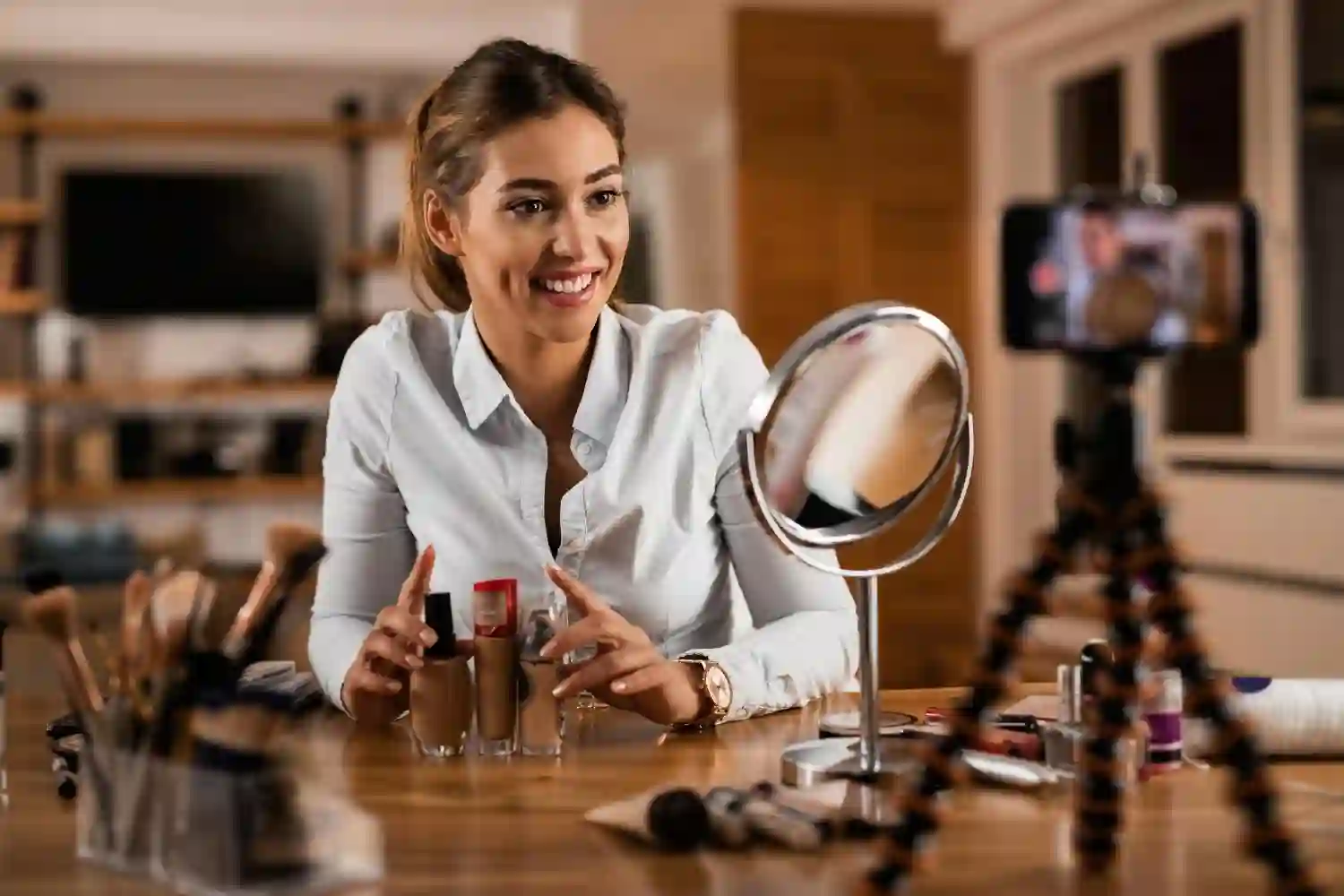
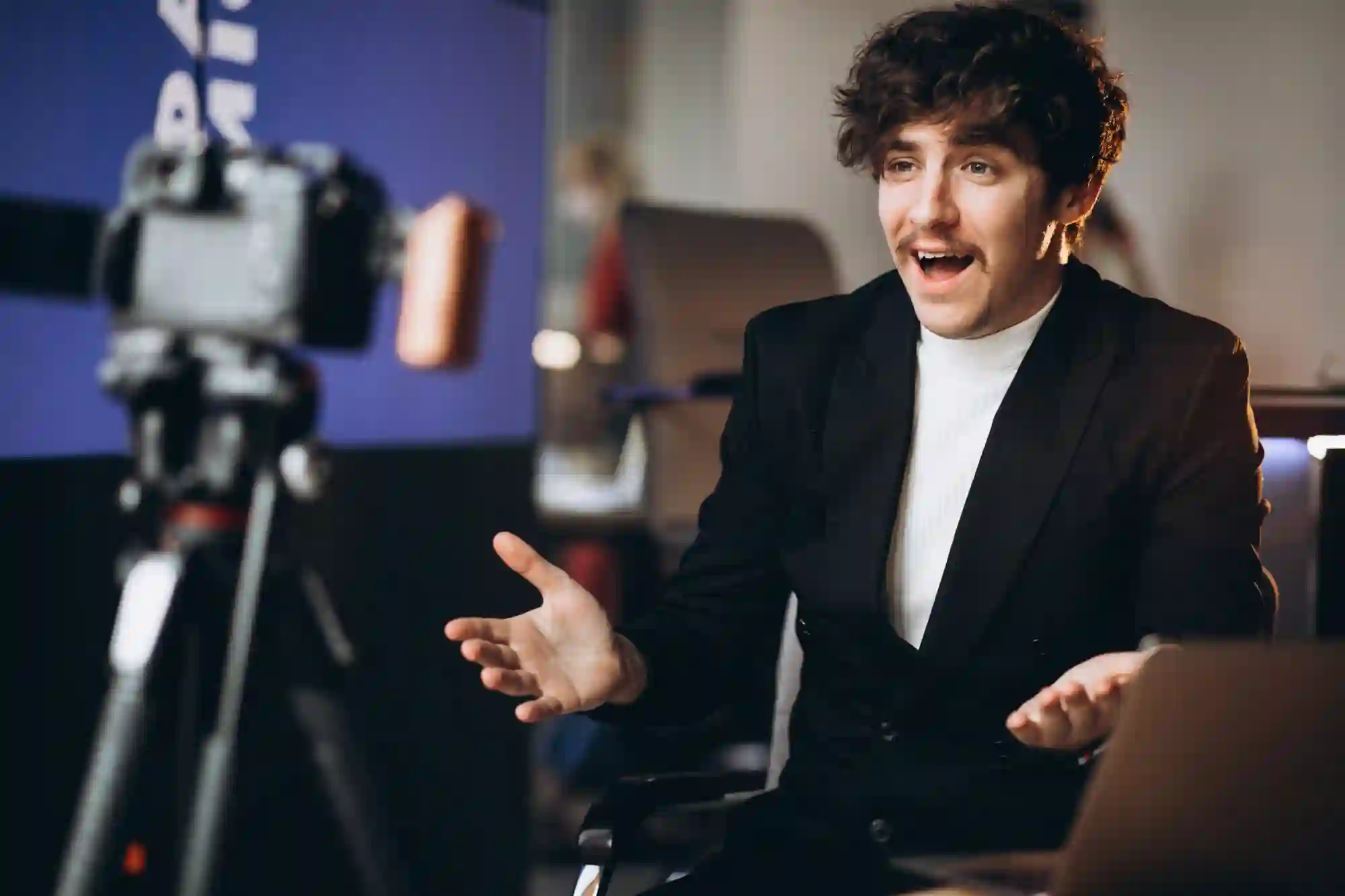
For years, employees posting about their jobs on social media was a corporate headache — a risk to reputation, privacy, or brand safety. But 2025 has ushered in a cultural inversion: companies now want their workers on TikTok, ring lights and all.
What started as organic, off-the-clock employee content has become a full-fledged marketing strategy. Starbucks, Delta, Ulta, Portillo’s, and even legacy fashion houses like Hugo Boss are recruiting staffers to act as in-house influencers. Not polished brand ambassadors. Not celebrity partners. But the actual baristas, flight attendants, retail associates, and managers who shape the day-to-day customer experience.
In this new model, authenticity is the asset. Employees who once quietly uploaded behind-the-scenes jokes or customer-service skits are now filming officially sanctioned content, representing their employers — and sometimes getting paid for it.
The shift says more about the state of work and culture than it does about social media alone. The influencer economy has moved inside the corporate firewall, and employees are being asked to bring their digital-native identities with them.
Deeper Insight / Trend Connection
The rise of the “employee influencer” isn’t a gimmick. It’s a structural response to three converging forces:
1. Consumers trust people over brands
Company accounts often feel polished and detached. But a barista swirling whipped cream on a holiday drink? Or a flight attendant sharing packing tips? That’s content with built-in credibility. It feels real, and that emotional closeness drives conversion.
2. Corporate culture now happens in public
For a generation raised on TikTok, identity and work are intertwined. Posting about your job isn’t rebellion anymore — it’s résumé-building. Companies see this and want to shape the narrative before employees do it themselves.
3. Influencer skills are becoming core job skills
Editing short-form video, building parasocial connection, crafting narratives — these were once niche talents. Now they’re becoming as important as customer service. One Starbucks creator put it plainly: growing up on social media made content creation feel like a natural extension of her job.
This shift also reflects a broader transition in corporate communications: from top-down messaging to distributed storytelling. Instead of a few executives speaking for the brand, thousands of employees can speak as the brand, each in their own voice.
It’s not without risk. Companies still grapple with policy violations, off-brand moments, or viral rants. But the upside — cultural relevance, lower-cost marketing, and workplace visibility — is too compelling to ignore.
AI + AIO Layer
Behind the rise of employee influencers lies a deeper technological evolution: the integration of AI and AIO (intelligence orchestration) into brand storytelling.
TikTok’s algorithm already amplifies relatable, human-first content. Employee videos, with their unpolished charm, feed perfectly into an AI-driven discovery engine built to reward authenticity.
Meanwhile, companies are quietly building systems around these creators:
AI-driven content prompts recommend themes employees should film, tied to promotions or trending soundtracks.
AIO-based workflow tools orchestrate the approval pipeline — from script ideas to compliance checks to final posting.
AI-assisted editing apps help employees create professional-quality videos without formal training.
Sentiment analysis dashboards track how specific creators impact brand perception.
Algorithmic talent scouting identifies high-potential employees based on internal posts, engagement, or on-camera charisma.
Even IP protection is becoming increasingly automated. Starbucks and other brands use AI to monitor policy violations while still encouraging creativity.
In effect, the new “employee influencer” is a hybrid role: part cultural representative, part content creator, part node in an AI-enabled storytelling network.
This isn’t just marketing evolution — it’s workplace evolution. As AI handles more operational tasks, human employees become more valuable for what AI can’t do: project trust, personality, humor, and identity.
Strategic or Industry Implications
For Employers
Employee creators become recruitment tools. Authentic workplace content attracts talent more than polished commercials ever could.
Cultural storytelling becomes decentralized. Brands need governance, not micromanagement.
Policies must evolve. The line between personal and professional content is blurring.
AI moderation is essential. With thousands of distributed creators, manual oversight is impossible.
For Employees
Content skills become career capital. Editing, narrating, and audience-building now enhance résumés.
Visibility increases. Creators are invited to brand HQs, given special training, and sometimes paid.
Authenticity matters. Scripts fail. Personality wins.
Time investment grows. Delta’s creators spend hours each week refining and producing content.
For Marketers
Influence moves inside the organization. External influencers still matter, but employees offer a unique brand-safe authenticity.
Micro reach beats macro fame. A worker with 1,000 followers may outperform a creator with 1 million, because context beats scale.
Internal creator programs will scale. Expect formal training, onboarding, and AI-powered coaching tools.
For Platforms
TikTok becomes the new LinkedIn for frontline workers. Career-building through content is already happening.
AI will elevate high-quality employee content. Algorithms love consistency and relatability — exactly what employees offer.
The Bottom Line
The influencer era isn’t fading — it’s migrating. And the next wave won’t be celebrities or full-time creators. It will be employees: the people who make the product, serve the customers, and wear the uniform.
In a world where AI handles more tasks and algorithms shape culture, the most valuable corporate skill may soon be the most human one: the ability to tell a story.
Also read:-
Opening Hook / Context
For years, employees posting about their jobs on social media was a corporate headache — a risk to reputation, privacy, or brand safety. But 2025 has ushered in a cultural inversion: companies now want their workers on TikTok, ring lights and all.
What started as organic, off-the-clock employee content has become a full-fledged marketing strategy. Starbucks, Delta, Ulta, Portillo’s, and even legacy fashion houses like Hugo Boss are recruiting staffers to act as in-house influencers. Not polished brand ambassadors. Not celebrity partners. But the actual baristas, flight attendants, retail associates, and managers who shape the day-to-day customer experience.
In this new model, authenticity is the asset. Employees who once quietly uploaded behind-the-scenes jokes or customer-service skits are now filming officially sanctioned content, representing their employers — and sometimes getting paid for it.
The shift says more about the state of work and culture than it does about social media alone. The influencer economy has moved inside the corporate firewall, and employees are being asked to bring their digital-native identities with them.
Deeper Insight / Trend Connection
The rise of the “employee influencer” isn’t a gimmick. It’s a structural response to three converging forces:
1. Consumers trust people over brands
Company accounts often feel polished and detached. But a barista swirling whipped cream on a holiday drink? Or a flight attendant sharing packing tips? That’s content with built-in credibility. It feels real, and that emotional closeness drives conversion.
2. Corporate culture now happens in public
For a generation raised on TikTok, identity and work are intertwined. Posting about your job isn’t rebellion anymore — it’s résumé-building. Companies see this and want to shape the narrative before employees do it themselves.
3. Influencer skills are becoming core job skills
Editing short-form video, building parasocial connection, crafting narratives — these were once niche talents. Now they’re becoming as important as customer service. One Starbucks creator put it plainly: growing up on social media made content creation feel like a natural extension of her job.
This shift also reflects a broader transition in corporate communications: from top-down messaging to distributed storytelling. Instead of a few executives speaking for the brand, thousands of employees can speak as the brand, each in their own voice.
It’s not without risk. Companies still grapple with policy violations, off-brand moments, or viral rants. But the upside — cultural relevance, lower-cost marketing, and workplace visibility — is too compelling to ignore.
AI + AIO Layer
Behind the rise of employee influencers lies a deeper technological evolution: the integration of AI and AIO (intelligence orchestration) into brand storytelling.
TikTok’s algorithm already amplifies relatable, human-first content. Employee videos, with their unpolished charm, feed perfectly into an AI-driven discovery engine built to reward authenticity.
Meanwhile, companies are quietly building systems around these creators:
AI-driven content prompts recommend themes employees should film, tied to promotions or trending soundtracks.
AIO-based workflow tools orchestrate the approval pipeline — from script ideas to compliance checks to final posting.
AI-assisted editing apps help employees create professional-quality videos without formal training.
Sentiment analysis dashboards track how specific creators impact brand perception.
Algorithmic talent scouting identifies high-potential employees based on internal posts, engagement, or on-camera charisma.
Even IP protection is becoming increasingly automated. Starbucks and other brands use AI to monitor policy violations while still encouraging creativity.
In effect, the new “employee influencer” is a hybrid role: part cultural representative, part content creator, part node in an AI-enabled storytelling network.
This isn’t just marketing evolution — it’s workplace evolution. As AI handles more operational tasks, human employees become more valuable for what AI can’t do: project trust, personality, humor, and identity.
Strategic or Industry Implications
For Employers
Employee creators become recruitment tools. Authentic workplace content attracts talent more than polished commercials ever could.
Cultural storytelling becomes decentralized. Brands need governance, not micromanagement.
Policies must evolve. The line between personal and professional content is blurring.
AI moderation is essential. With thousands of distributed creators, manual oversight is impossible.
For Employees
Content skills become career capital. Editing, narrating, and audience-building now enhance résumés.
Visibility increases. Creators are invited to brand HQs, given special training, and sometimes paid.
Authenticity matters. Scripts fail. Personality wins.
Time investment grows. Delta’s creators spend hours each week refining and producing content.
For Marketers
Influence moves inside the organization. External influencers still matter, but employees offer a unique brand-safe authenticity.
Micro reach beats macro fame. A worker with 1,000 followers may outperform a creator with 1 million, because context beats scale.
Internal creator programs will scale. Expect formal training, onboarding, and AI-powered coaching tools.
For Platforms
TikTok becomes the new LinkedIn for frontline workers. Career-building through content is already happening.
AI will elevate high-quality employee content. Algorithms love consistency and relatability — exactly what employees offer.
The Bottom Line
The influencer era isn’t fading — it’s migrating. And the next wave won’t be celebrities or full-time creators. It will be employees: the people who make the product, serve the customers, and wear the uniform.
In a world where AI handles more tasks and algorithms shape culture, the most valuable corporate skill may soon be the most human one: the ability to tell a story.
Also read:-
Brands now recruit employees as TikTok creators, reshaping marketing, hiring, and AI-driven workplace culture.
Opening Hook / Context
For years, employees posting about their jobs on social media was a corporate headache — a risk to reputation, privacy, or brand safety. But 2025 has ushered in a cultural inversion: companies now want their workers on TikTok, ring lights and all.
What started as organic, off-the-clock employee content has become a full-fledged marketing strategy. Starbucks, Delta, Ulta, Portillo’s, and even legacy fashion houses like Hugo Boss are recruiting staffers to act as in-house influencers. Not polished brand ambassadors. Not celebrity partners. But the actual baristas, flight attendants, retail associates, and managers who shape the day-to-day customer experience.
In this new model, authenticity is the asset. Employees who once quietly uploaded behind-the-scenes jokes or customer-service skits are now filming officially sanctioned content, representing their employers — and sometimes getting paid for it.
The shift says more about the state of work and culture than it does about social media alone. The influencer economy has moved inside the corporate firewall, and employees are being asked to bring their digital-native identities with them.
Deeper Insight / Trend Connection
The rise of the “employee influencer” isn’t a gimmick. It’s a structural response to three converging forces:
1. Consumers trust people over brands
Company accounts often feel polished and detached. But a barista swirling whipped cream on a holiday drink? Or a flight attendant sharing packing tips? That’s content with built-in credibility. It feels real, and that emotional closeness drives conversion.
2. Corporate culture now happens in public
For a generation raised on TikTok, identity and work are intertwined. Posting about your job isn’t rebellion anymore — it’s résumé-building. Companies see this and want to shape the narrative before employees do it themselves.
3. Influencer skills are becoming core job skills
Editing short-form video, building parasocial connection, crafting narratives — these were once niche talents. Now they’re becoming as important as customer service. One Starbucks creator put it plainly: growing up on social media made content creation feel like a natural extension of her job.
This shift also reflects a broader transition in corporate communications: from top-down messaging to distributed storytelling. Instead of a few executives speaking for the brand, thousands of employees can speak as the brand, each in their own voice.
It’s not without risk. Companies still grapple with policy violations, off-brand moments, or viral rants. But the upside — cultural relevance, lower-cost marketing, and workplace visibility — is too compelling to ignore.
AI + AIO Layer
Behind the rise of employee influencers lies a deeper technological evolution: the integration of AI and AIO (intelligence orchestration) into brand storytelling.
TikTok’s algorithm already amplifies relatable, human-first content. Employee videos, with their unpolished charm, feed perfectly into an AI-driven discovery engine built to reward authenticity.
Meanwhile, companies are quietly building systems around these creators:
AI-driven content prompts recommend themes employees should film, tied to promotions or trending soundtracks.
AIO-based workflow tools orchestrate the approval pipeline — from script ideas to compliance checks to final posting.
AI-assisted editing apps help employees create professional-quality videos without formal training.
Sentiment analysis dashboards track how specific creators impact brand perception.
Algorithmic talent scouting identifies high-potential employees based on internal posts, engagement, or on-camera charisma.
Even IP protection is becoming increasingly automated. Starbucks and other brands use AI to monitor policy violations while still encouraging creativity.
In effect, the new “employee influencer” is a hybrid role: part cultural representative, part content creator, part node in an AI-enabled storytelling network.
This isn’t just marketing evolution — it’s workplace evolution. As AI handles more operational tasks, human employees become more valuable for what AI can’t do: project trust, personality, humor, and identity.
Strategic or Industry Implications
For Employers
Employee creators become recruitment tools. Authentic workplace content attracts talent more than polished commercials ever could.
Cultural storytelling becomes decentralized. Brands need governance, not micromanagement.
Policies must evolve. The line between personal and professional content is blurring.
AI moderation is essential. With thousands of distributed creators, manual oversight is impossible.
For Employees
Content skills become career capital. Editing, narrating, and audience-building now enhance résumés.
Visibility increases. Creators are invited to brand HQs, given special training, and sometimes paid.
Authenticity matters. Scripts fail. Personality wins.
Time investment grows. Delta’s creators spend hours each week refining and producing content.
For Marketers
Influence moves inside the organization. External influencers still matter, but employees offer a unique brand-safe authenticity.
Micro reach beats macro fame. A worker with 1,000 followers may outperform a creator with 1 million, because context beats scale.
Internal creator programs will scale. Expect formal training, onboarding, and AI-powered coaching tools.
For Platforms
TikTok becomes the new LinkedIn for frontline workers. Career-building through content is already happening.
AI will elevate high-quality employee content. Algorithms love consistency and relatability — exactly what employees offer.
The Bottom Line
The influencer era isn’t fading — it’s migrating. And the next wave won’t be celebrities or full-time creators. It will be employees: the people who make the product, serve the customers, and wear the uniform.
In a world where AI handles more tasks and algorithms shape culture, the most valuable corporate skill may soon be the most human one: the ability to tell a story.
Also read:-
Other Blogs
Other Blogs
Check our other project Blogs with useful insight and information for your businesses
Other Blogs
Other Blogs
Check our other project Blogs with useful insight and information for your businesses