January 13, 2026
Disney’s TikTok-Like Vertical AI Push
January 13, 2026
Disney’s TikTok-Like Vertical AI Push
Disney embraces vertical video and AI generation tools to rewire streaming, advertising, and audience creativity for 2026.
Opening Hook / Context
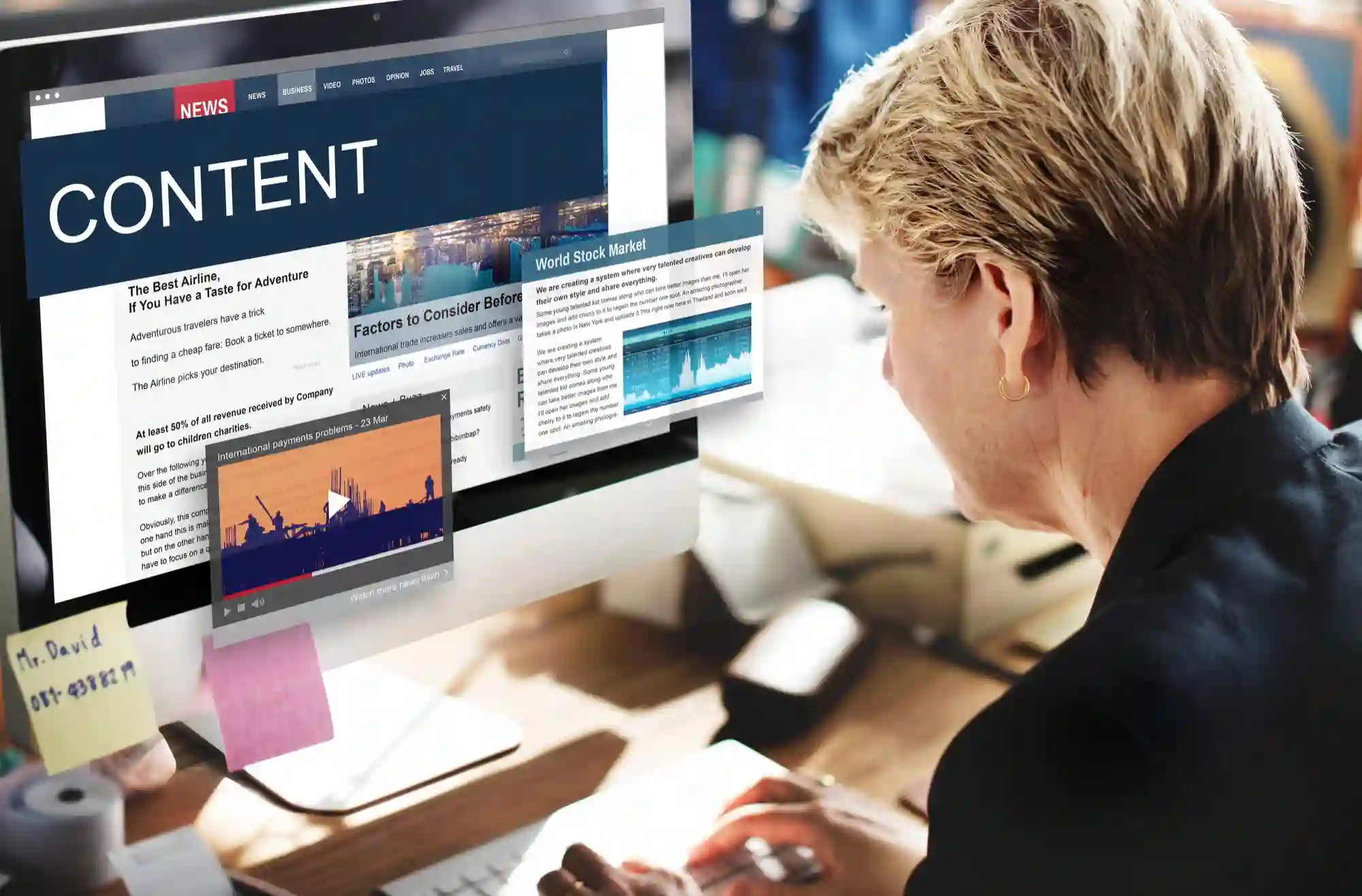
At CES 2026, Disney stepped onto the tech stage not just as a purveyor of animated classics and blockbuster franchises, but as a full-blown digital media competitor. In a striking move that underscores how entertainment giants are scrambling to rewire their core products for the mobile era, Disney unveiled a TikTok-like vertical video format across its digital platforms and paired it with a suite of AI-powered creative tools aimed at advertisers and content partners. This isn’t a small tweak — it’s a bold signal that the company recognizes where eyeballs and engagement are migrating, and that it’s ready to fight for attention in a landscape dominated by short-form video and generative AI experiences.
This push comes as traditional streaming services confront a reality that younger audiences increasingly treat “watching TV” as something that includes social video feeds — not just 30-minute episodes of scripted shows. Disney’s strategy is a recognition that staying relevant means meeting those viewers on their terms, not expecting them to adjust to the old ones.
Deeper Insight / Trend Connection
From Passive Streams to Dynamic Experiences
Disney’s announcement is emblematic of a broader shift in media consumption:
Vertical video isn’t optional anymore. By layering mobile-native, short-form content into its ecosystem — spanning entertainment, news, and even sports — Disney is acknowledging that linear, horizontal viewing is no longer the sole standard.
Interactive engagement beats passive watching. Younger audiences, in particular, spend more time on social video platforms than they do on traditional streaming. Disney’s move attempts to bring some of that engagement into its walled garden — a savvy effort to reduce churn and drive habitual use.
Content platforms are becoming creative platforms. Generative AI and vertical video tools are spreading the boundary between consuming and creating. Disney is throwing its weight into this trend not just for ads, but for user participation, creativity, and brand immersion.
The gesture is more than cosmetic. It reflects a cultural pivot: media giants can’t simply distribute content anymore — they have to make spaces where audiences participate in culture, narratives, and brand worlds.
AI + AIO Layer
Disney’s new capabilities go beyond layout changes to harness artificial intelligence in meaningful ways:
AI-Powered Video Generation: Disney introduced tools that allow advertisers to auto-generate video content using their own brand assets and guidelines, complete with versioning tailored to audience segments and placements.
AI Planning and Analytics: A new AI planning tool ingests objectives, audiences, timing, and constraints, enabling smarter campaign optimization — a classic example of intelligence orchestration (AIO) in marketing workflows.
Measurement and Insight Automation: Disney expanded its measurement suite with AI-powered summaries, unified brand performance dashboards, and a new Brand Impact Metric that stitches together attention, health, reach, search, and attribution for advertisers.
Taken together, these are not just features — they’re building blocks of an AI-native media stack that blends content, data, and automated creativity. Disney isn’t just catching up to TikTok visually; it’s embedding AI into how stories, ads, and engagement get designed and delivered.
Strategic or Industry Implications
For brands, creators, and businesses, Disney’s strategy points to several forward-looking takeaways:
Short-form video is now legitimized at scale. Legacy media taking TikTok-style formats seriously signals that vertical video is no longer a niche trend — it’s a central axis of digital engagement.
AI becomes a baseline capability. Brands that fail to integrate generative tools into creative workflows risk falling behind those using automated video creation and audience-tuned messaging at scale.
Measurement matters more than ever. AI-enhanced analytics platforms give advertisers a clearer view of cross-platform performance, reducing guesswork and empowering real-time optimization.
Consumer creative empowerment is coming. While Disney’s current tools are aimed at professional marketers, adjacent moves (like licensing characters to AI video platforms) hint at future models where users co-create with brand IP.
The line between media and technology blurs. Entertainment companies are rapidly becoming tech companies, and tech companies are becoming media channels. Competitive differentiation will increasingly hinge on platform sophistication and ecosystem stickiness.
The Bottom Line
Disney’s vertical video and AI push is not simply an update — it’s a declaration: the future of entertainment is personalized, participatory, and powered by artificial intelligence. In a world where audiences no longer distinguish between “watching TV,” browsing Reels, or scrolling feeds, legacy media must evolve or risk obsolescence. Disney is betting big on this convergence — and in doing so, shows how the next chapter of digital media will be written not just with stories, but with algorithms that shape, tailor, and amplify them.
Also read:
Opening Hook / Context
At CES 2026, Disney stepped onto the tech stage not just as a purveyor of animated classics and blockbuster franchises, but as a full-blown digital media competitor. In a striking move that underscores how entertainment giants are scrambling to rewire their core products for the mobile era, Disney unveiled a TikTok-like vertical video format across its digital platforms and paired it with a suite of AI-powered creative tools aimed at advertisers and content partners. This isn’t a small tweak — it’s a bold signal that the company recognizes where eyeballs and engagement are migrating, and that it’s ready to fight for attention in a landscape dominated by short-form video and generative AI experiences.
This push comes as traditional streaming services confront a reality that younger audiences increasingly treat “watching TV” as something that includes social video feeds — not just 30-minute episodes of scripted shows. Disney’s strategy is a recognition that staying relevant means meeting those viewers on their terms, not expecting them to adjust to the old ones.
Deeper Insight / Trend Connection
From Passive Streams to Dynamic Experiences
Disney’s announcement is emblematic of a broader shift in media consumption:
Vertical video isn’t optional anymore. By layering mobile-native, short-form content into its ecosystem — spanning entertainment, news, and even sports — Disney is acknowledging that linear, horizontal viewing is no longer the sole standard.
Interactive engagement beats passive watching. Younger audiences, in particular, spend more time on social video platforms than they do on traditional streaming. Disney’s move attempts to bring some of that engagement into its walled garden — a savvy effort to reduce churn and drive habitual use.
Content platforms are becoming creative platforms. Generative AI and vertical video tools are spreading the boundary between consuming and creating. Disney is throwing its weight into this trend not just for ads, but for user participation, creativity, and brand immersion.
The gesture is more than cosmetic. It reflects a cultural pivot: media giants can’t simply distribute content anymore — they have to make spaces where audiences participate in culture, narratives, and brand worlds.
AI + AIO Layer
Disney’s new capabilities go beyond layout changes to harness artificial intelligence in meaningful ways:
AI-Powered Video Generation: Disney introduced tools that allow advertisers to auto-generate video content using their own brand assets and guidelines, complete with versioning tailored to audience segments and placements.
AI Planning and Analytics: A new AI planning tool ingests objectives, audiences, timing, and constraints, enabling smarter campaign optimization — a classic example of intelligence orchestration (AIO) in marketing workflows.
Measurement and Insight Automation: Disney expanded its measurement suite with AI-powered summaries, unified brand performance dashboards, and a new Brand Impact Metric that stitches together attention, health, reach, search, and attribution for advertisers.
Taken together, these are not just features — they’re building blocks of an AI-native media stack that blends content, data, and automated creativity. Disney isn’t just catching up to TikTok visually; it’s embedding AI into how stories, ads, and engagement get designed and delivered.
Strategic or Industry Implications
For brands, creators, and businesses, Disney’s strategy points to several forward-looking takeaways:
Short-form video is now legitimized at scale. Legacy media taking TikTok-style formats seriously signals that vertical video is no longer a niche trend — it’s a central axis of digital engagement.
AI becomes a baseline capability. Brands that fail to integrate generative tools into creative workflows risk falling behind those using automated video creation and audience-tuned messaging at scale.
Measurement matters more than ever. AI-enhanced analytics platforms give advertisers a clearer view of cross-platform performance, reducing guesswork and empowering real-time optimization.
Consumer creative empowerment is coming. While Disney’s current tools are aimed at professional marketers, adjacent moves (like licensing characters to AI video platforms) hint at future models where users co-create with brand IP.
The line between media and technology blurs. Entertainment companies are rapidly becoming tech companies, and tech companies are becoming media channels. Competitive differentiation will increasingly hinge on platform sophistication and ecosystem stickiness.
The Bottom Line
Disney’s vertical video and AI push is not simply an update — it’s a declaration: the future of entertainment is personalized, participatory, and powered by artificial intelligence. In a world where audiences no longer distinguish between “watching TV,” browsing Reels, or scrolling feeds, legacy media must evolve or risk obsolescence. Disney is betting big on this convergence — and in doing so, shows how the next chapter of digital media will be written not just with stories, but with algorithms that shape, tailor, and amplify them.
Also read:


Disney embraces vertical video and AI generation tools to rewire streaming, advertising, and audience creativity for 2026.
Opening Hook / Context
At CES 2026, Disney stepped onto the tech stage not just as a purveyor of animated classics and blockbuster franchises, but as a full-blown digital media competitor. In a striking move that underscores how entertainment giants are scrambling to rewire their core products for the mobile era, Disney unveiled a TikTok-like vertical video format across its digital platforms and paired it with a suite of AI-powered creative tools aimed at advertisers and content partners. This isn’t a small tweak — it’s a bold signal that the company recognizes where eyeballs and engagement are migrating, and that it’s ready to fight for attention in a landscape dominated by short-form video and generative AI experiences.
This push comes as traditional streaming services confront a reality that younger audiences increasingly treat “watching TV” as something that includes social video feeds — not just 30-minute episodes of scripted shows. Disney’s strategy is a recognition that staying relevant means meeting those viewers on their terms, not expecting them to adjust to the old ones.
Deeper Insight / Trend Connection
From Passive Streams to Dynamic Experiences
Disney’s announcement is emblematic of a broader shift in media consumption:
Vertical video isn’t optional anymore. By layering mobile-native, short-form content into its ecosystem — spanning entertainment, news, and even sports — Disney is acknowledging that linear, horizontal viewing is no longer the sole standard.
Interactive engagement beats passive watching. Younger audiences, in particular, spend more time on social video platforms than they do on traditional streaming. Disney’s move attempts to bring some of that engagement into its walled garden — a savvy effort to reduce churn and drive habitual use.
Content platforms are becoming creative platforms. Generative AI and vertical video tools are spreading the boundary between consuming and creating. Disney is throwing its weight into this trend not just for ads, but for user participation, creativity, and brand immersion.
The gesture is more than cosmetic. It reflects a cultural pivot: media giants can’t simply distribute content anymore — they have to make spaces where audiences participate in culture, narratives, and brand worlds.
AI + AIO Layer
Disney’s new capabilities go beyond layout changes to harness artificial intelligence in meaningful ways:
AI-Powered Video Generation: Disney introduced tools that allow advertisers to auto-generate video content using their own brand assets and guidelines, complete with versioning tailored to audience segments and placements.
AI Planning and Analytics: A new AI planning tool ingests objectives, audiences, timing, and constraints, enabling smarter campaign optimization — a classic example of intelligence orchestration (AIO) in marketing workflows.
Measurement and Insight Automation: Disney expanded its measurement suite with AI-powered summaries, unified brand performance dashboards, and a new Brand Impact Metric that stitches together attention, health, reach, search, and attribution for advertisers.
Taken together, these are not just features — they’re building blocks of an AI-native media stack that blends content, data, and automated creativity. Disney isn’t just catching up to TikTok visually; it’s embedding AI into how stories, ads, and engagement get designed and delivered.
Strategic or Industry Implications
For brands, creators, and businesses, Disney’s strategy points to several forward-looking takeaways:
Short-form video is now legitimized at scale. Legacy media taking TikTok-style formats seriously signals that vertical video is no longer a niche trend — it’s a central axis of digital engagement.
AI becomes a baseline capability. Brands that fail to integrate generative tools into creative workflows risk falling behind those using automated video creation and audience-tuned messaging at scale.
Measurement matters more than ever. AI-enhanced analytics platforms give advertisers a clearer view of cross-platform performance, reducing guesswork and empowering real-time optimization.
Consumer creative empowerment is coming. While Disney’s current tools are aimed at professional marketers, adjacent moves (like licensing characters to AI video platforms) hint at future models where users co-create with brand IP.
The line between media and technology blurs. Entertainment companies are rapidly becoming tech companies, and tech companies are becoming media channels. Competitive differentiation will increasingly hinge on platform sophistication and ecosystem stickiness.
The Bottom Line
Disney’s vertical video and AI push is not simply an update — it’s a declaration: the future of entertainment is personalized, participatory, and powered by artificial intelligence. In a world where audiences no longer distinguish between “watching TV,” browsing Reels, or scrolling feeds, legacy media must evolve or risk obsolescence. Disney is betting big on this convergence — and in doing so, shows how the next chapter of digital media will be written not just with stories, but with algorithms that shape, tailor, and amplify them.
Also read:
Other Blogs
Other Blogs
Check our other project Blogs with useful insight and information for your businesses

Other Blogs
Other Blogs
Check our other project Blogs with useful insight and information for your businesses