February 10, 2026
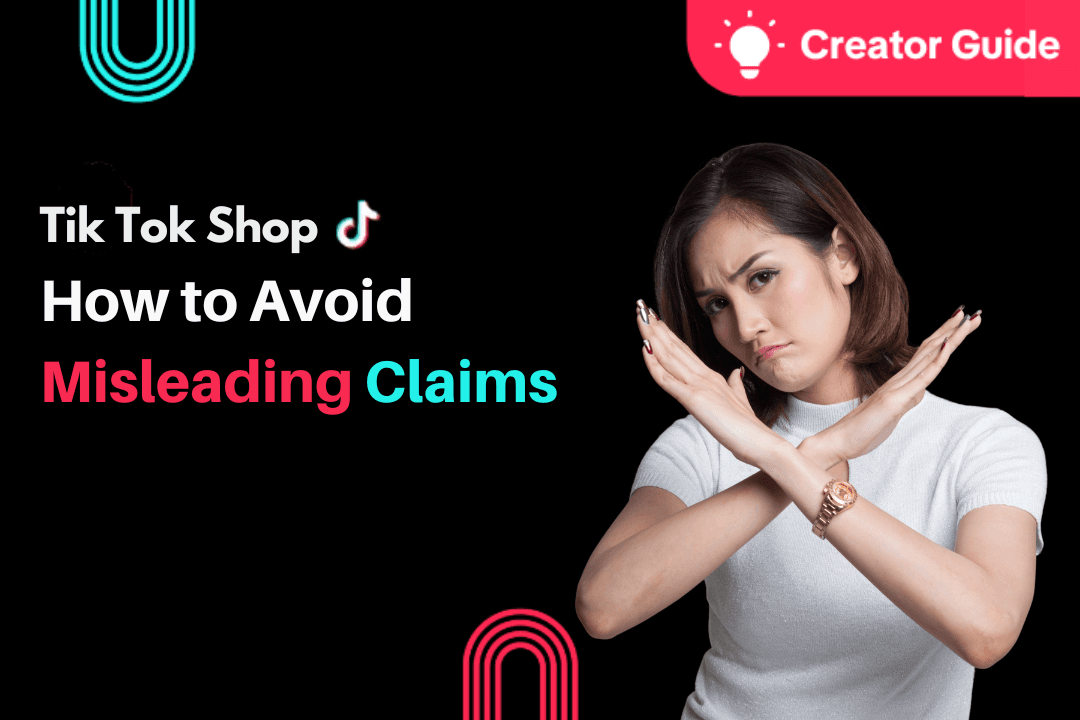
Honest Content Wins: A Creator’s Guide to Avoiding Misleading Claims on TikTok Shop
February 10, 2026
Honest Content Wins: A Creator’s Guide to Avoiding Misleading Claims on TikTok Shop
A practical guide for TikTok creators to promote products honestly, avoid violations, and build long-term brand trust on TikTok Shop.
🧠 Creator Guide: Avoid Misleading Content on TikTok Shop
TikTok Shop has opened massive earning opportunities for creators. But with that opportunity comes responsibility. Content that exaggerates, misrepresents, or confuses viewers doesn’t just hurt trust — it can get videos taken down, commissions clawed back, or accounts restricted.
This guide breaks down what misleading content really means, how creators accidentally cross the line, and how to promote products confidently without putting your account or income at risk.
Why TikTok Cares So Much About Misleading Content
TikTok Shop is built on impulse buying and trust. When viewers feel misled, they don’t just scroll away — they lose confidence in creators, brands, and the platform itself.
That’s why TikTok closely reviews:
What you say
What you show
How you price and describe products
Whether your claims match the product page
For creators, this isn’t about being boring. It’s about being accurate, believable, and consistent.
What Makes Content “Misleading” on TikTok Shop
Content becomes misleading when it:
Doesn’t match the product detail page
Creates unrealistic expectations
Exaggerates results or performance
Uses visuals, filters, or edits to fake outcomes
Even if your intention is good, TikTok evaluates how viewers might interpret your content, not just what you meant.
Stay Aligned With the Product Detail Page
Everything in your video should reflect what’s officially listed.
That includes:
Features and functionality
Size, color, and variations
Brand name and product model
Price and quantity
Return policies and guarantees
Certifications or awards
Example
If the product page lists three colors, don’t say “available in four.”
If the page says “ethically sourced,” don’t say “made in Ethiopia.”
Small mismatches are one of the most common reasons videos get flagged.
Branded Products: What’s Allowed (and What’s Not)
You can:
Show different colors or sizes of the same product
Pair the product with other brands naturally (outfits, accessories, setups)
Compare two brands if comparison is the purpose of the video
You cannot:
Promote Brand A while tagging Brand B
Show a different product model than what’s listed
Swap brands just to boost appeal
Consistency matters more than creativity here.
Avoid Malicious or Negative Comparisons
Calling out another brand to make yours look better is a fast way to get penalized.
❌ Not allowed:
“This brand is trash”
“Brand X is harmful”
Throwing another product in the trash on camera
✅ Allowed:
Focus on what you like about the product
Share personal preference without attacking others
Explain features without insults or fear tactics
Trust grows when you stay positive and factual.
Pricing: Be Clear or Don’t Mention It
Pricing confusion is one of the biggest red flags.
If you mention a price or discount:
Double-check it before filming
Explain conditions clearly
Specify who the deal is for, when it applies, and where
You can round up prices ($19.99 → $20)
You cannot round down ($19.99 → $19)
Avoid vague phrases like:
“Biggest sale ever”
“Cheapest price anywhere”
“Limited time” (without dates)
Claims Must Be Real and Verifiable
Creators often exaggerate because it feels more engaging. But inflated claims hurt credibility.
You should only say something if:
It’s written on the packaging
It’s visible on the label
You personally experienced it and frame it as such
If you quote a claim, show proof when possible.
Using Disclaimers the Right Way (Very Important)
Disclaimers are not a free pass. TikTok only allows them in two cases:
1. Before-and-After Content
Skincare, hair, teeth, body-related visuals must include:
“Results may vary”
“This is my personal experience”
2. Time-Based Results
If you say “results in 10 days,” you must clarify that outcomes differ.
You cannot use disclaimers to:
Make medical claims
Promote weight loss
Promise guaranteed results
Disclaimers don’t make forbidden claims acceptable.
Content Practices That Creators Should Avoid
Avoid content that:
Shows fake transformations
Uses beauty or body-altering filters
Promises impossible outcomes
Makes health or wellness claims
Suggests supernatural effects
Uses AI to fake people, voices, or results
Even subtle edits can be flagged if they exaggerate results.
Filters, Edits, and AI: Where Creators Slip Up
Using filters that:
Smooth skin
Remove wrinkles
Whiten teeth
Change body shape
…while promoting a product is considered misleading.
AI-generated or heavily edited content is allowed only if it’s transparent and not deceptive. If it creates a false impression, it can be removed.
Why Honest Content Actually Converts Better
Creators who stay accurate:
Build stronger audience trust
Attract higher-quality brand deals
Face fewer content takedowns
Earn consistently over time
The goal isn’t to sound scripted. It’s to sound real.
How Zorilla Marketing Supports Creators
At Zorilla Marketing, we help creators:
Understand TikTok Shop rules clearly
Align content with platform standards
Work with brands that value transparency
Build long-term monetization, not quick wins
We believe trust is the most scalable growth strategy.
Final Takeaway
Misleading content doesn’t just risk violations, it costs creators credibility.
When you promote honestly, clearly, and responsibly:
TikTok trusts your account
Brands trust your influence
Audiences trust your recommendations
That’s how real creator careers are built.
Book a free strategy call with our team today and let us help you make your Shop Tab presence your strongest sales channel.
Also read :
🧠 Creator Guide: Avoid Misleading Content on TikTok Shop
TikTok Shop has opened massive earning opportunities for creators. But with that opportunity comes responsibility. Content that exaggerates, misrepresents, or confuses viewers doesn’t just hurt trust — it can get videos taken down, commissions clawed back, or accounts restricted.
This guide breaks down what misleading content really means, how creators accidentally cross the line, and how to promote products confidently without putting your account or income at risk.
Why TikTok Cares So Much About Misleading Content
TikTok Shop is built on impulse buying and trust. When viewers feel misled, they don’t just scroll away — they lose confidence in creators, brands, and the platform itself.
That’s why TikTok closely reviews:
What you say
What you show
How you price and describe products
Whether your claims match the product page
For creators, this isn’t about being boring. It’s about being accurate, believable, and consistent.
What Makes Content “Misleading” on TikTok Shop
Content becomes misleading when it:
Doesn’t match the product detail page
Creates unrealistic expectations
Exaggerates results or performance
Uses visuals, filters, or edits to fake outcomes
Even if your intention is good, TikTok evaluates how viewers might interpret your content, not just what you meant.
Stay Aligned With the Product Detail Page
Everything in your video should reflect what’s officially listed.
That includes:
Features and functionality
Size, color, and variations
Brand name and product model
Price and quantity
Return policies and guarantees
Certifications or awards
Example
If the product page lists three colors, don’t say “available in four.”
If the page says “ethically sourced,” don’t say “made in Ethiopia.”
Small mismatches are one of the most common reasons videos get flagged.
Branded Products: What’s Allowed (and What’s Not)
You can:
Show different colors or sizes of the same product
Pair the product with other brands naturally (outfits, accessories, setups)
Compare two brands if comparison is the purpose of the video
You cannot:
Promote Brand A while tagging Brand B
Show a different product model than what’s listed
Swap brands just to boost appeal
Consistency matters more than creativity here.
Avoid Malicious or Negative Comparisons
Calling out another brand to make yours look better is a fast way to get penalized.
❌ Not allowed:
“This brand is trash”
“Brand X is harmful”
Throwing another product in the trash on camera
✅ Allowed:
Focus on what you like about the product
Share personal preference without attacking others
Explain features without insults or fear tactics
Trust grows when you stay positive and factual.
Pricing: Be Clear or Don’t Mention It
Pricing confusion is one of the biggest red flags.
If you mention a price or discount:
Double-check it before filming
Explain conditions clearly
Specify who the deal is for, when it applies, and where
You can round up prices ($19.99 → $20)
You cannot round down ($19.99 → $19)
Avoid vague phrases like:
“Biggest sale ever”
“Cheapest price anywhere”
“Limited time” (without dates)
Claims Must Be Real and Verifiable
Creators often exaggerate because it feels more engaging. But inflated claims hurt credibility.
You should only say something if:
It’s written on the packaging
It’s visible on the label
You personally experienced it and frame it as such
If you quote a claim, show proof when possible.
Using Disclaimers the Right Way (Very Important)
Disclaimers are not a free pass. TikTok only allows them in two cases:
1. Before-and-After Content
Skincare, hair, teeth, body-related visuals must include:
“Results may vary”
“This is my personal experience”
2. Time-Based Results
If you say “results in 10 days,” you must clarify that outcomes differ.
You cannot use disclaimers to:
Make medical claims
Promote weight loss
Promise guaranteed results
Disclaimers don’t make forbidden claims acceptable.
Content Practices That Creators Should Avoid
Avoid content that:
Shows fake transformations
Uses beauty or body-altering filters
Promises impossible outcomes
Makes health or wellness claims
Suggests supernatural effects
Uses AI to fake people, voices, or results
Even subtle edits can be flagged if they exaggerate results.
Filters, Edits, and AI: Where Creators Slip Up
Using filters that:
Smooth skin
Remove wrinkles
Whiten teeth
Change body shape
…while promoting a product is considered misleading.
AI-generated or heavily edited content is allowed only if it’s transparent and not deceptive. If it creates a false impression, it can be removed.
Why Honest Content Actually Converts Better
Creators who stay accurate:
Build stronger audience trust
Attract higher-quality brand deals
Face fewer content takedowns
Earn consistently over time
The goal isn’t to sound scripted. It’s to sound real.
How Zorilla Marketing Supports Creators
At Zorilla Marketing, we help creators:
Understand TikTok Shop rules clearly
Align content with platform standards
Work with brands that value transparency
Build long-term monetization, not quick wins
We believe trust is the most scalable growth strategy.
Final Takeaway
Misleading content doesn’t just risk violations, it costs creators credibility.
When you promote honestly, clearly, and responsibly:
TikTok trusts your account
Brands trust your influence
Audiences trust your recommendations
That’s how real creator careers are built.
Book a free strategy call with our team today and let us help you make your Shop Tab presence your strongest sales channel.
Also read :

A practical guide for TikTok creators to promote products honestly, avoid violations, and build long-term brand trust on TikTok Shop.
🧠 Creator Guide: Avoid Misleading Content on TikTok Shop
TikTok Shop has opened massive earning opportunities for creators. But with that opportunity comes responsibility. Content that exaggerates, misrepresents, or confuses viewers doesn’t just hurt trust — it can get videos taken down, commissions clawed back, or accounts restricted.
This guide breaks down what misleading content really means, how creators accidentally cross the line, and how to promote products confidently without putting your account or income at risk.
Why TikTok Cares So Much About Misleading Content
TikTok Shop is built on impulse buying and trust. When viewers feel misled, they don’t just scroll away — they lose confidence in creators, brands, and the platform itself.
That’s why TikTok closely reviews:
What you say
What you show
How you price and describe products
Whether your claims match the product page
For creators, this isn’t about being boring. It’s about being accurate, believable, and consistent.
What Makes Content “Misleading” on TikTok Shop
Content becomes misleading when it:
Doesn’t match the product detail page
Creates unrealistic expectations
Exaggerates results or performance
Uses visuals, filters, or edits to fake outcomes
Even if your intention is good, TikTok evaluates how viewers might interpret your content, not just what you meant.
Stay Aligned With the Product Detail Page
Everything in your video should reflect what’s officially listed.
That includes:
Features and functionality
Size, color, and variations
Brand name and product model
Price and quantity
Return policies and guarantees
Certifications or awards
Example
If the product page lists three colors, don’t say “available in four.”
If the page says “ethically sourced,” don’t say “made in Ethiopia.”
Small mismatches are one of the most common reasons videos get flagged.
Branded Products: What’s Allowed (and What’s Not)
You can:
Show different colors or sizes of the same product
Pair the product with other brands naturally (outfits, accessories, setups)
Compare two brands if comparison is the purpose of the video
You cannot:
Promote Brand A while tagging Brand B
Show a different product model than what’s listed
Swap brands just to boost appeal
Consistency matters more than creativity here.
Avoid Malicious or Negative Comparisons
Calling out another brand to make yours look better is a fast way to get penalized.
❌ Not allowed:
“This brand is trash”
“Brand X is harmful”
Throwing another product in the trash on camera
✅ Allowed:
Focus on what you like about the product
Share personal preference without attacking others
Explain features without insults or fear tactics
Trust grows when you stay positive and factual.
Pricing: Be Clear or Don’t Mention It
Pricing confusion is one of the biggest red flags.
If you mention a price or discount:
Double-check it before filming
Explain conditions clearly
Specify who the deal is for, when it applies, and where
You can round up prices ($19.99 → $20)
You cannot round down ($19.99 → $19)
Avoid vague phrases like:
“Biggest sale ever”
“Cheapest price anywhere”
“Limited time” (without dates)
Claims Must Be Real and Verifiable
Creators often exaggerate because it feels more engaging. But inflated claims hurt credibility.
You should only say something if:
It’s written on the packaging
It’s visible on the label
You personally experienced it and frame it as such
If you quote a claim, show proof when possible.
Using Disclaimers the Right Way (Very Important)
Disclaimers are not a free pass. TikTok only allows them in two cases:
1. Before-and-After Content
Skincare, hair, teeth, body-related visuals must include:
“Results may vary”
“This is my personal experience”
2. Time-Based Results
If you say “results in 10 days,” you must clarify that outcomes differ.
You cannot use disclaimers to:
Make medical claims
Promote weight loss
Promise guaranteed results
Disclaimers don’t make forbidden claims acceptable.
Content Practices That Creators Should Avoid
Avoid content that:
Shows fake transformations
Uses beauty or body-altering filters
Promises impossible outcomes
Makes health or wellness claims
Suggests supernatural effects
Uses AI to fake people, voices, or results
Even subtle edits can be flagged if they exaggerate results.
Filters, Edits, and AI: Where Creators Slip Up
Using filters that:
Smooth skin
Remove wrinkles
Whiten teeth
Change body shape
…while promoting a product is considered misleading.
AI-generated or heavily edited content is allowed only if it’s transparent and not deceptive. If it creates a false impression, it can be removed.
Why Honest Content Actually Converts Better
Creators who stay accurate:
Build stronger audience trust
Attract higher-quality brand deals
Face fewer content takedowns
Earn consistently over time
The goal isn’t to sound scripted. It’s to sound real.
How Zorilla Marketing Supports Creators
At Zorilla Marketing, we help creators:
Understand TikTok Shop rules clearly
Align content with platform standards
Work with brands that value transparency
Build long-term monetization, not quick wins
We believe trust is the most scalable growth strategy.
Final Takeaway
Misleading content doesn’t just risk violations, it costs creators credibility.
When you promote honestly, clearly, and responsibly:
TikTok trusts your account
Brands trust your influence
Audiences trust your recommendations
That’s how real creator careers are built.
Book a free strategy call with our team today and let us help you make your Shop Tab presence your strongest sales channel.
Also read :
Other Blogs
Other Blogs
Check our other project Blogs with useful insight and information for your businesses
Other Blogs
Other Blogs
Check our other project Blogs with useful insight and information for your businesses