March 26, 2026
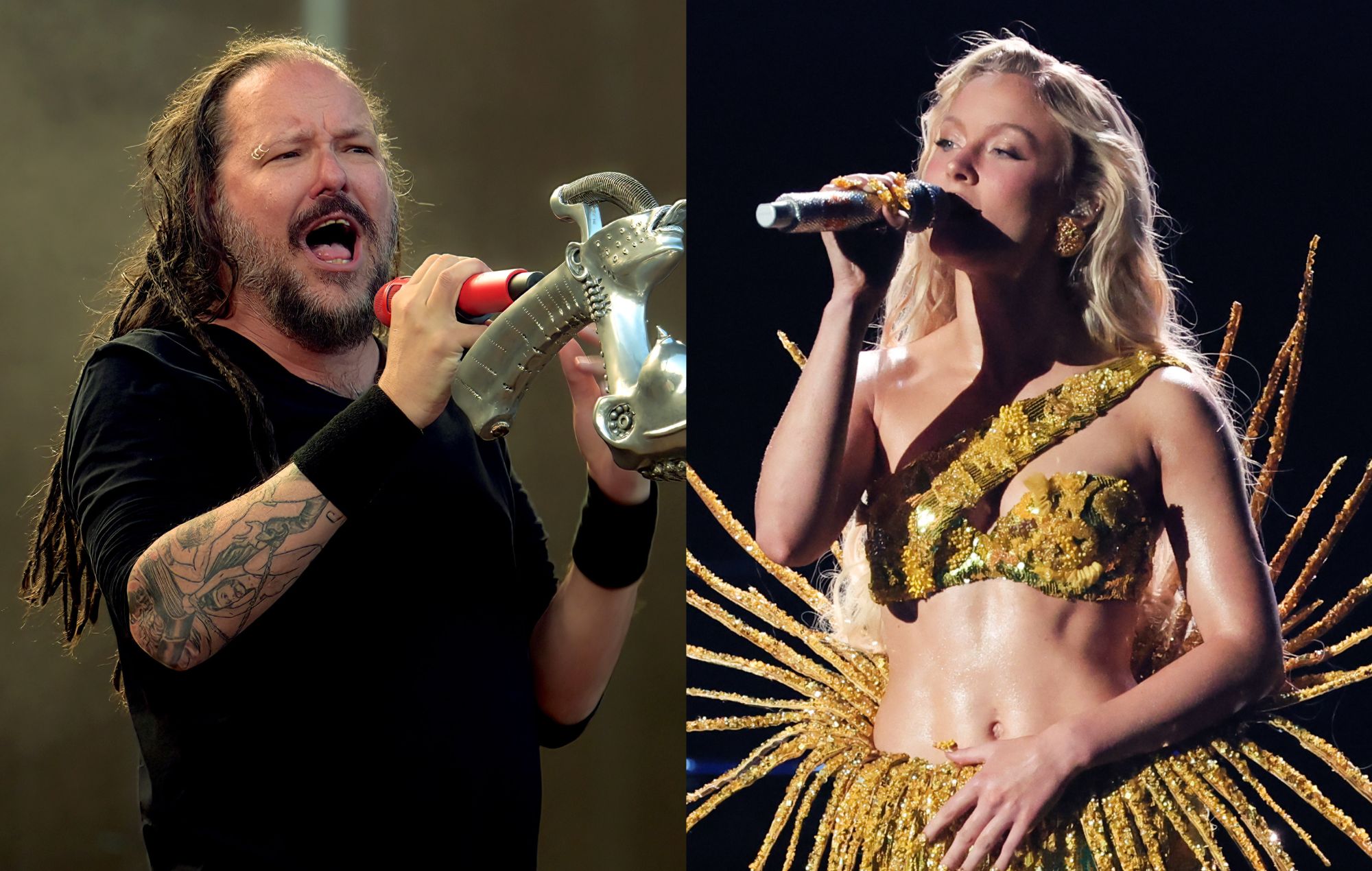
Korn’s Freak On a Leash goes viral on TikTok
March 26, 2026
Korn’s Freak On a Leash goes viral on TikTok
Korn’s classic resurfaces via TikTok dance trends, showing how AI-driven platforms reshape music discovery and cultural cycles.
A 90s Nu-Metal Hit Is Reborn Through TikTok Dance Culture
Every few months, the internet pulls a cultural time machine move reviving something old and making it feel brand new.
This time, it’s a 1999 nu-metal anthem.
Korn’s “Freak on a Leash,” a track synonymous with late-90s angst and MTV-era dominance, is suddenly trending again. But not because of a re-release, anniversary campaign, or even a sync deal.
Instead, the spark came from an unexpected place: a dance trend linked to Zara Larsson and her pop track “Lush Life.”
What followed is peak internet chaos in the best way. TikTok users began pairing Larsson’s choreography with Korn’s heavy, distorted breakdown. The contrast worked. Then it spread. Fast.
Soon, thousands of creators were recreating the dance to a song that predates TikTok users themselves.
This isn’t just nostalgia. It’s something more algorithmic.
Deeper Insight / Trend Connection
At first glance, the pairing makes no sense. A polished pop dance routine synced to a gritty nu-metal breakdown shouldn’t work.
But it does and that’s exactly why it took off.
TikTok thrives on unexpected collisions. When two unrelated cultural artifacts align in a surprising way, they create what the platform rewards most: curiosity and shareability.
In this case, the alignment was oddly technical. The rhythm and BPM of the dance movements from Larsson’s track matched well with the breakdown of “Freak on a Leash,” making the mashup feel natural rather than forced.
Once a few creators demonstrated the concept, replication kicked in. And replication is the engine of TikTok culture.
The bigger trend here isn’t just virality it’s remixability.
We’re entering an era where:
Songs are no longer static releases
They’re modular cultural assets
Their meaning and relevance shift based on how users remix them
A track from 1999 can suddenly become a 2026 trend not because it was pushed, but because it fit.
That’s a profound shift in how culture moves.
AI + AIO Layer
Behind this seemingly organic trend is a highly structured system: TikTok’s AI-driven recommendation engine.
The platform doesn’t just surface content it actively tests it.
Here’s how a moment like this typically unfolds:
A few creators experiment with a mashup
The algorithm detects strong engagement signals
It pushes the content to broader audiences
More creators replicate the format
The trend compounds exponentially
This is AI as a cultural amplifier.
In AIO (Artificial Intelligence Orchestration) terms, what we’re seeing is the coordination of:
Audio recognition (identifying trending sounds)
Behavioral prediction (what users will engage with)
Distribution optimization (who sees what, when)
The system doesn’t care that “Freak on a Leash” is decades old. It cares that people are watching, liking, and recreating.
That’s the new currency: not recency, but responsiveness.
In a traditional music ecosystem, catalog tracks rely on nostalgia cycles or curated playlists to resurface. In an AI-driven ecosystem, they resurface because they fit an emerging pattern.
This is a key distinction.
It means that any piece of content no matter how old can be reactivated if it aligns with current behavioral signals.
Strategic or Industry Implications
For artists, labels, and marketers, this moment is more than a fun anomaly. It’s a strategic signal.
Here’s what it reveals:
1. Catalog is the new goldmine
Old songs are no longer “back catalog” they’re dormant assets waiting for the right trigger.
2. Virality is format-driven, not release-driven
It’s not about when a song drops. It’s about how it fits into a trend format.
3. Cross-genre collisions create opportunity
Unexpected pairings (pop + metal, dance + breakdown) are more likely to stand out.
4. Artists don’t control cultural timing anymore
Fans and creators decide when a song becomes relevant again.
5. TikTok is redefining music discovery
It’s no longer just a promotional platform it’s a primary engine of rediscovery.
6. AI favors adaptability over originality
Content that can be remixed, reinterpreted, or repurposed has a higher chance of scaling.
7. Dance is becoming a distribution layer
Choreography isn’t just performance it’s a vehicle for music propagation.
The Bottom Line
Korn didn’t plan this moment. Zara Larsson didn’t design it for nu-metal. And yet, here we are.
A decades-old track is trending again not because of industry push, but because it fit into an algorithmically amplified pattern of behavior.
That’s the future of culture.
In an AI-driven attention economy, relevance isn’t linear. It’s cyclical, remixable, and often unpredictable.
The next viral hit might not be new.
Read also :
Korn’s classic resurfaces via TikTok dance trends, showing how AI-driven platforms reshape music discovery and cultural cycles.
A 90s Nu-Metal Hit Is Reborn Through TikTok Dance Culture
Every few months, the internet pulls a cultural time machine move reviving something old and making it feel brand new.
This time, it’s a 1999 nu-metal anthem.
Korn’s “Freak on a Leash,” a track synonymous with late-90s angst and MTV-era dominance, is suddenly trending again. But not because of a re-release, anniversary campaign, or even a sync deal.
Instead, the spark came from an unexpected place: a dance trend linked to Zara Larsson and her pop track “Lush Life.”
What followed is peak internet chaos in the best way. TikTok users began pairing Larsson’s choreography with Korn’s heavy, distorted breakdown. The contrast worked. Then it spread. Fast.
Soon, thousands of creators were recreating the dance to a song that predates TikTok users themselves.
This isn’t just nostalgia. It’s something more algorithmic.
Deeper Insight / Trend Connection
At first glance, the pairing makes no sense. A polished pop dance routine synced to a gritty nu-metal breakdown shouldn’t work.
But it does and that’s exactly why it took off.
TikTok thrives on unexpected collisions. When two unrelated cultural artifacts align in a surprising way, they create what the platform rewards most: curiosity and shareability.
In this case, the alignment was oddly technical. The rhythm and BPM of the dance movements from Larsson’s track matched well with the breakdown of “Freak on a Leash,” making the mashup feel natural rather than forced.
Once a few creators demonstrated the concept, replication kicked in. And replication is the engine of TikTok culture.
The bigger trend here isn’t just virality it’s remixability.
We’re entering an era where:
Songs are no longer static releases
They’re modular cultural assets
Their meaning and relevance shift based on how users remix them
A track from 1999 can suddenly become a 2026 trend not because it was pushed, but because it fit.
That’s a profound shift in how culture moves.
AI + AIO Layer
Behind this seemingly organic trend is a highly structured system: TikTok’s AI-driven recommendation engine.
The platform doesn’t just surface content it actively tests it.
Here’s how a moment like this typically unfolds:
A few creators experiment with a mashup
The algorithm detects strong engagement signals
It pushes the content to broader audiences
More creators replicate the format
The trend compounds exponentially
This is AI as a cultural amplifier.
In AIO (Artificial Intelligence Orchestration) terms, what we’re seeing is the coordination of:
Audio recognition (identifying trending sounds)
Behavioral prediction (what users will engage with)
Distribution optimization (who sees what, when)
The system doesn’t care that “Freak on a Leash” is decades old. It cares that people are watching, liking, and recreating.
That’s the new currency: not recency, but responsiveness.
In a traditional music ecosystem, catalog tracks rely on nostalgia cycles or curated playlists to resurface. In an AI-driven ecosystem, they resurface because they fit an emerging pattern.
This is a key distinction.
It means that any piece of content no matter how old can be reactivated if it aligns with current behavioral signals.
Strategic or Industry Implications
For artists, labels, and marketers, this moment is more than a fun anomaly. It’s a strategic signal.
Here’s what it reveals:
1. Catalog is the new goldmine
Old songs are no longer “back catalog” they’re dormant assets waiting for the right trigger.
2. Virality is format-driven, not release-driven
It’s not about when a song drops. It’s about how it fits into a trend format.
3. Cross-genre collisions create opportunity
Unexpected pairings (pop + metal, dance + breakdown) are more likely to stand out.
4. Artists don’t control cultural timing anymore
Fans and creators decide when a song becomes relevant again.
5. TikTok is redefining music discovery
It’s no longer just a promotional platform it’s a primary engine of rediscovery.
6. AI favors adaptability over originality
Content that can be remixed, reinterpreted, or repurposed has a higher chance of scaling.
7. Dance is becoming a distribution layer
Choreography isn’t just performance it’s a vehicle for music propagation.
The Bottom Line
Korn didn’t plan this moment. Zara Larsson didn’t design it for nu-metal. And yet, here we are.
A decades-old track is trending again not because of industry push, but because it fit into an algorithmically amplified pattern of behavior.
That’s the future of culture.
In an AI-driven attention economy, relevance isn’t linear. It’s cyclical, remixable, and often unpredictable.
The next viral hit might not be new.
Read also :
Other Blogs
Other Blogs
Check our other project Blogs with useful insight and information for your businesses
Other Blogs
Other Blogs
Check our other project Blogs with useful insight and information for your businesses