
January 23, 2026
Social Commerce Growth in 2026
January 23, 2026
Social Commerce Growth in 2026
How creators and platforms are reshaping commerce — turning discovery into direct purchases and making feeds the new storefront.
Opening Hook / Context
In 2026, the commerce revolution no longer runs through search bars or shopping carts — it flows through endless scrolls and creator-driven feeds. Social commerce, once a fringe playbook tactic, has matured into a dominant retail force where discovery, inspiration, and impulse buying converge directly inside apps like TikTok, Instagram, Facebook, and others. Platforms are no longer just conduits for ads — they’re transactional ecosystems, with creators acting as both taste curators and revenue drivers. What used to feel like influencer marketing experiments has become a core strategy for brands chasing growth and relevance.
This shift is not accidental. From TikTok Shop’s algorithm-powered impulse purchases to Instagram’s seamless product tagging and immersive reels, social commerce in 2026 means blending engagement with checkout — without ever leaving the platform. Brands that cling to traditional e-commerce funnels may find themselves a step behind consumers whose first and final touchpoints now happen inside social feeds.
Deeper Insight / Trend Connection
The core power of social commerce lies in discovery paired with transaction. Unlike legacy e-commerce, where buyers already intend to purchase, social commerce thrives on impulse — sparked by content, not intent. Viewers scrolling through what feels like entertainment or inspiration now find themselves seamlessly engaging with products and buying them in a few taps.
This model plays directly into the behavior of younger demographics. For Gen Z especially, social media is primary discovery. A massive share of young users report that platforms like TikTok are where they first learn about new products — not search engines or ads. That changes how brands build funnels: the top of funnel and conversion can collapse into one fluid moment.
Beyond individual platforms, this trend reflects deeper shifts in digital attention: the commodification of engagement, creators as storefronts, and feeds that translate cultural capital into commerce. It’s no longer enough to advertise a product. Brands now need to be part of the cultural content ecosystem that influences desire before it becomes demand.
AI + AIO Layer
Where social commerce gets truly transformative is at the intersection with AI and automation — or what we can think of as Artificial Intelligence Orchestration (AIO).
Platforms today are not merely showing products; they’re predicting what you’ll want next based on nuanced behavior signals — watch time, engagement patterns, creator affinity, and past interactions. These signals feed machine learning models that optimize not just content relevance but transaction intent, blending engagement optimization with conversion goals.
A few AIO-driven dynamics:
Algorithmic Discovery Meets Commerce: Recommendation engines are effectively AIO systems that learn what products resonate and push them into feeds where conversion likelihood is highest. This turns every user feed into a personalized storefront.
Creator-Amplified Attribution: Advanced attribution tools now tie creator content directly to SKU-level revenue, enabling performance optimization in real time. This is a blending of AI analytics with commerce outcomes.
Seamless Checkout Pipelines: In-app purchases and automated checkout experiences reduce friction, further powered by AI systems that optimize UX flow and friction points based on real-world behavior.
In essence, social commerce isn’t just a new channel — it’s a closed-loop AIO ecosystem where engagement, recommendation, and transaction are deeply intertwined.
Strategic or Industry Implications
For brands, creators, and tech platforms navigating this landscape, here’s what matters most in 2026:
Feeds as storefronts: The traditional separation between discovery and purchase is eroding. Brands must optimize creative for both attention and transactional intent.
Creators as strategic assets: Influencers are no longer just awareness drivers — they are performance channels that can be measured and optimized for direct sales.
Authenticity wins trust: Despite the power of creator endorsements, consumer skepticism about influencer motives remains a key barrier. Transparency and genuine partnerships outperform paid placements without authenticity.
Platform playbooks diverge: TikTok’s algorithm accelerates impulse purchases; Instagram’s visual discovery supports lifestyle shopping; Facebook still captures broad social buyers. Strategy should reflect these strengths.
Measurement as currency: Firms that don’t build real-time attribution into creative briefs risk wasting spend. Platforms that enable clear links from creator content to revenue will command budget.
The Bottom Line
In 2026, social commerce isn’t just selling in feeds — it’s engineering desire. Brands need to move past transactional thinking and embrace ecosystems where audience engagement, creator influence, and algorithmic intelligence are inseparable. The future of retail isn’t online or offline anymore — it’s in the scroll.
Also read:

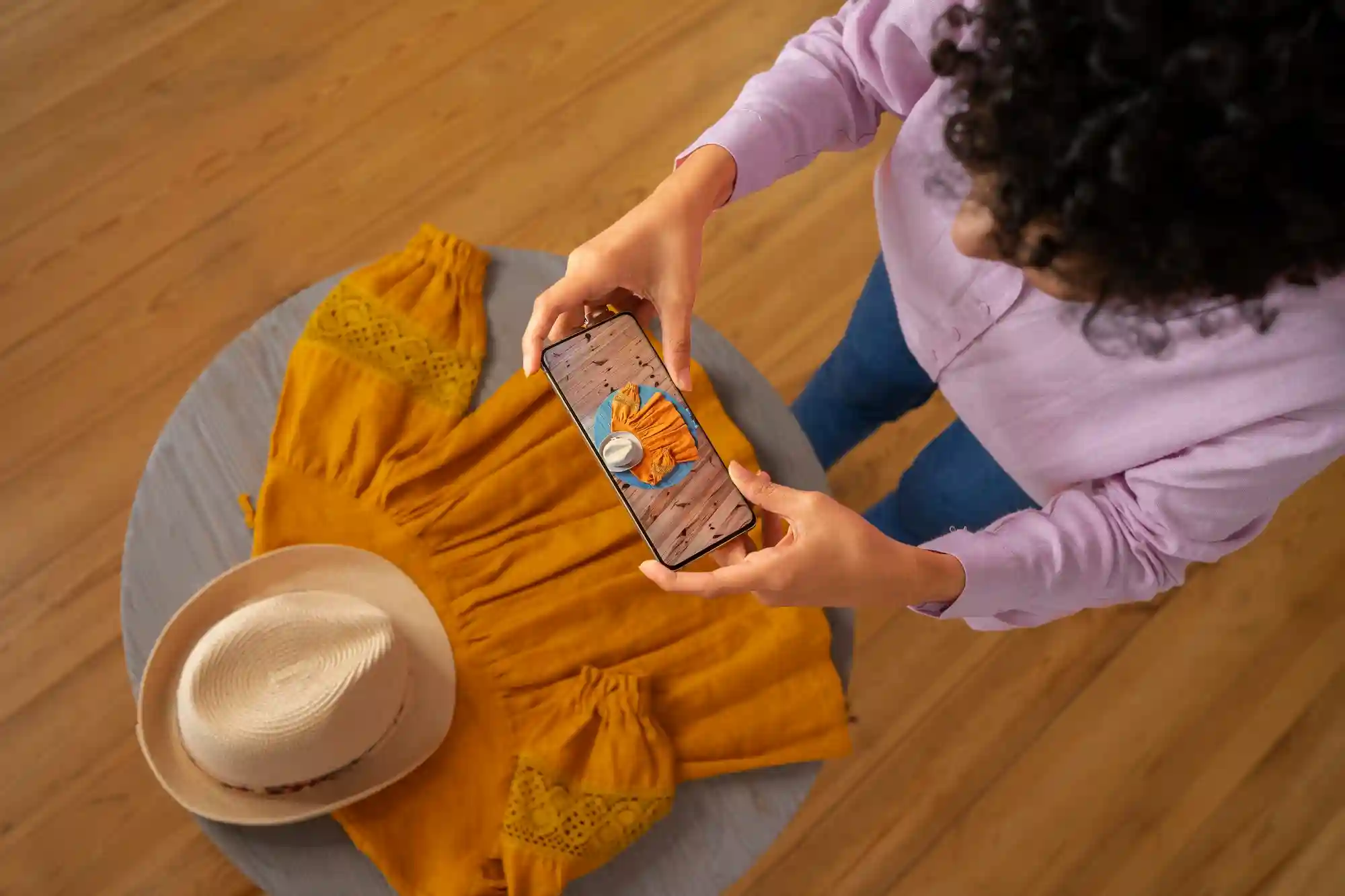
How creators and platforms are reshaping commerce — turning discovery into direct purchases and making feeds the new storefront.
Opening Hook / Context
In 2026, the commerce revolution no longer runs through search bars or shopping carts — it flows through endless scrolls and creator-driven feeds. Social commerce, once a fringe playbook tactic, has matured into a dominant retail force where discovery, inspiration, and impulse buying converge directly inside apps like TikTok, Instagram, Facebook, and others. Platforms are no longer just conduits for ads — they’re transactional ecosystems, with creators acting as both taste curators and revenue drivers. What used to feel like influencer marketing experiments has become a core strategy for brands chasing growth and relevance.
This shift is not accidental. From TikTok Shop’s algorithm-powered impulse purchases to Instagram’s seamless product tagging and immersive reels, social commerce in 2026 means blending engagement with checkout — without ever leaving the platform. Brands that cling to traditional e-commerce funnels may find themselves a step behind consumers whose first and final touchpoints now happen inside social feeds.
Deeper Insight / Trend Connection
The core power of social commerce lies in discovery paired with transaction. Unlike legacy e-commerce, where buyers already intend to purchase, social commerce thrives on impulse — sparked by content, not intent. Viewers scrolling through what feels like entertainment or inspiration now find themselves seamlessly engaging with products and buying them in a few taps.
This model plays directly into the behavior of younger demographics. For Gen Z especially, social media is primary discovery. A massive share of young users report that platforms like TikTok are where they first learn about new products — not search engines or ads. That changes how brands build funnels: the top of funnel and conversion can collapse into one fluid moment.
Beyond individual platforms, this trend reflects deeper shifts in digital attention: the commodification of engagement, creators as storefronts, and feeds that translate cultural capital into commerce. It’s no longer enough to advertise a product. Brands now need to be part of the cultural content ecosystem that influences desire before it becomes demand.
AI + AIO Layer
Where social commerce gets truly transformative is at the intersection with AI and automation — or what we can think of as Artificial Intelligence Orchestration (AIO).
Platforms today are not merely showing products; they’re predicting what you’ll want next based on nuanced behavior signals — watch time, engagement patterns, creator affinity, and past interactions. These signals feed machine learning models that optimize not just content relevance but transaction intent, blending engagement optimization with conversion goals.
A few AIO-driven dynamics:
Algorithmic Discovery Meets Commerce: Recommendation engines are effectively AIO systems that learn what products resonate and push them into feeds where conversion likelihood is highest. This turns every user feed into a personalized storefront.
Creator-Amplified Attribution: Advanced attribution tools now tie creator content directly to SKU-level revenue, enabling performance optimization in real time. This is a blending of AI analytics with commerce outcomes.
Seamless Checkout Pipelines: In-app purchases and automated checkout experiences reduce friction, further powered by AI systems that optimize UX flow and friction points based on real-world behavior.
In essence, social commerce isn’t just a new channel — it’s a closed-loop AIO ecosystem where engagement, recommendation, and transaction are deeply intertwined.
Strategic or Industry Implications
For brands, creators, and tech platforms navigating this landscape, here’s what matters most in 2026:
Feeds as storefronts: The traditional separation between discovery and purchase is eroding. Brands must optimize creative for both attention and transactional intent.
Creators as strategic assets: Influencers are no longer just awareness drivers — they are performance channels that can be measured and optimized for direct sales.
Authenticity wins trust: Despite the power of creator endorsements, consumer skepticism about influencer motives remains a key barrier. Transparency and genuine partnerships outperform paid placements without authenticity.
Platform playbooks diverge: TikTok’s algorithm accelerates impulse purchases; Instagram’s visual discovery supports lifestyle shopping; Facebook still captures broad social buyers. Strategy should reflect these strengths.
Measurement as currency: Firms that don’t build real-time attribution into creative briefs risk wasting spend. Platforms that enable clear links from creator content to revenue will command budget.
The Bottom Line
In 2026, social commerce isn’t just selling in feeds — it’s engineering desire. Brands need to move past transactional thinking and embrace ecosystems where audience engagement, creator influence, and algorithmic intelligence are inseparable. The future of retail isn’t online or offline anymore — it’s in the scroll.
Also read:
Other Blogs
Other Blogs
Check our other project Blogs with useful insight and information for your businesses

Other Blogs
Other Blogs
Check our other project Blogs with useful insight and information for your businesses