
December 25, 2025
TikTok’s AI Video Watermarks Shake Up Transparency
December 25, 2025
TikTok’s AI Video Watermarks Shake Up Transparency
TikTok is embedding invisible watermarks on AI-generated content, ushering in a new era of creator transparency and platform trust.
Opening Hook / Context
For years, TikTok’s For You feeds have been filled with jaw-dropping clips that feel real — a choreographed street dance, a wild animal doing something bizarre, or a jaw-dropping “news” moment. But a surprising share of these viral sensations may not be real at all. Generative AI tools like OpenAI’s Sora and Google’s Veo are now cranking out ultra-convincing short videos that are impossible to distinguish from authentic human-made content.
In response, TikTok has begun embedding watermarks — including “invisible” ones only the platform can read — into AI-generated videos created with its own tools or flagged with industry-standard metadata. This initiative is about more than mere label sticks: it’s a bold attempt to bring context to an AI-flooded ecosystem where seeing isn’t always believing. TikTok Newsroom
Deeper Insight / Trend Connection
TikTok’s move reflects a broader tectonic shift in how social platforms handle generative AI. Platforms once treated AI as a novelty, then a competitive advantage. Now they’re trying to manage it. With billions of views coming from synthetic clips — often algorithmically optimized for engagement — platforms are caught between embracing creative AI tools and defending against misinformation, brand confusion, or regulatory scrutiny.
Invisible watermarking and Content Credentials — a metadata standard designed by the Coalition for Content Provenance and Authenticity (C2PA) — represent a layered approach. Visible labels offer viewers immediate cues that something has been machine-created. Invisible watermarks help preserve those cues even when videos are reuploaded, edited, or stripped of metadata elsewhere, a major loophole for bad actors. TikTok Newsroom
This trend isn’t limited to TikTok. Google’s Gemini now detects whether media was created using Google’s AI by reading embedded SynthID watermarks — another sign that watermarking and provenance tools are central to the next phase of content integrity online. Android Central
AI + AIO Layer
From an AI + AIO (Artificial Intelligence Orchestration) standpoint, what’s happening is a convergence of generative and diagnostic AI systems:
Generative AI, like TikTok’s AI Editor Pro or OpenAI’s Sora, produces content — video, visuals, or audio — at scale.
Metadata standards (Content Credentials) and watermarking technologies are emerging as AI-native provenance layers that travel with that content.
Platform inspection systems — AI models trained to recognize watermarks and metadata — automatically signal how that content was created and handle it appropriately.
This is a fundamental shift: instead of users or algorithms simply guessing whether a clip is fake, platforms are embedding machine-readable signals at the point of creation. That’s orchestration in action — the pipeline from AI creation → AI marking → AI detection → UX decision — where each phase feeds into the next to support transparency and trust.
At the same time, this system isn’t perfect. Metadata can still be stripped in certain workflows, and watermark-based detection overlooks AI content created without standardized credentials. These are gaps that future AIO systems will need to address if they’re going to keep pace with innovation and misuse. The Verge
Strategic or Industry Implications
Here are the takeaways brands, creators, and platform strategists need to know:
Transparency isn’t optional anymore: Users increasingly expect clarity about what’s machine-made and what’s not. Platforms that don’t provide it risk backlash and regulatory pressure.
Creator strategies must evolve: For influencers and marketers, AI-generated content now comes with visibility baggage. Tagged videos may perform differently in feeds and impact engagement.
Watermarks influence trust signals: Consumers are getting savvier — if a video looks real but is marked AI, that can affect perception and credibility.
Platforms need layered defenses: Watermarks, metadata, and detection tools together form a more resilient ecosystem, but none is a silver bullet. AIO systems should incorporate multiple provenance and detection strategies.
Regulation is around the corner: Both the U.S. and EU are debating tighter rules for AI transparency online. Proactive labeling and watermarking systems can position platforms ahead of compliance deadlines.
The Bottom Line
TikTok’s watermarking initiative marks a pivotal shift in how social media treats synthetic media: from reactive labeling to proactive verification. As AI-generated content becomes indistinguishable from reality, the platforms that win will be the ones that build trust by design — layering AI creation with AI-powered authenticity checks that keep users in the loop without killing engagement.
The future of social feeds isn’t just AI-rich — it’s AI-transparent.
Also read:

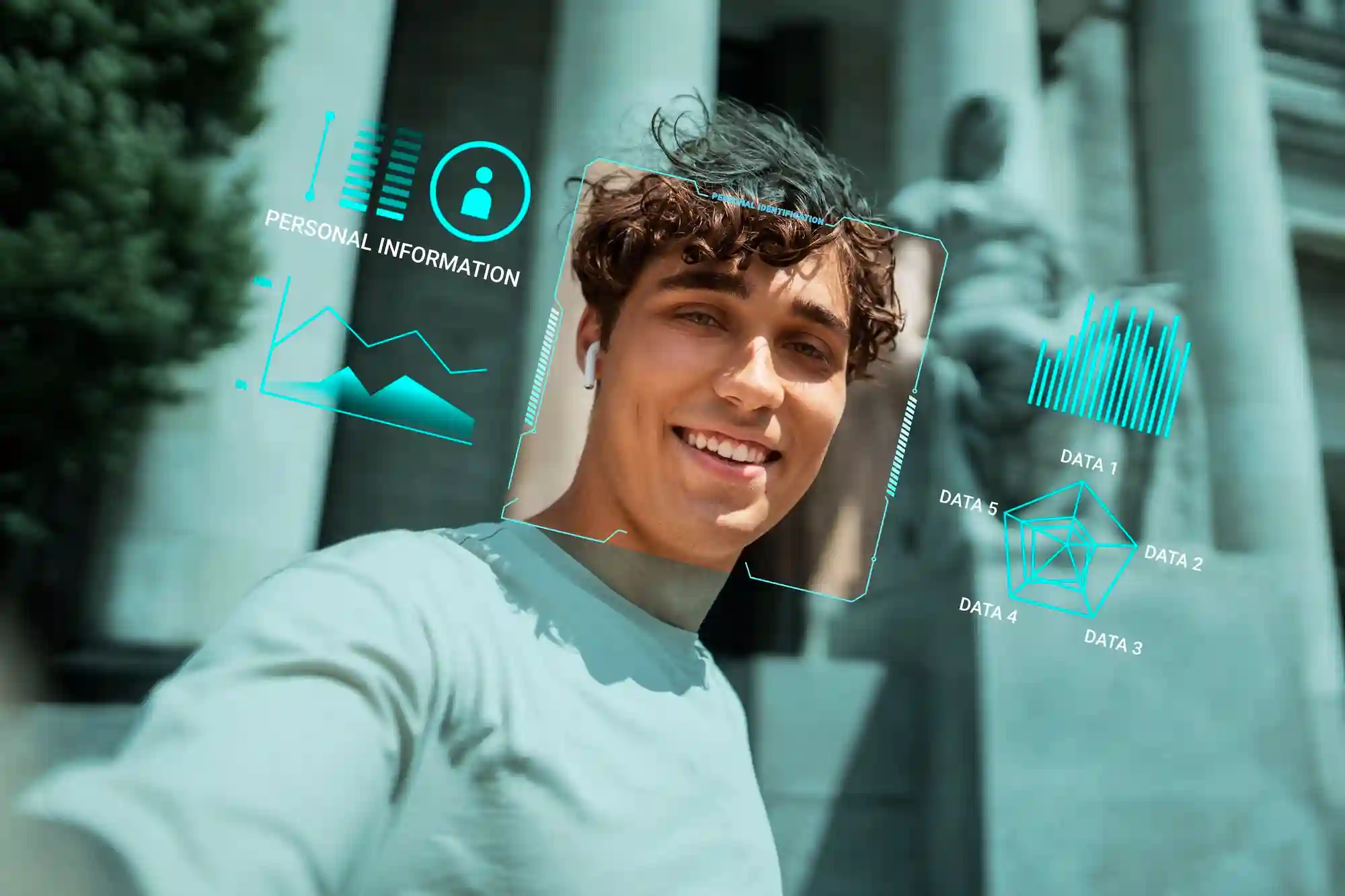
TikTok is embedding invisible watermarks on AI-generated content, ushering in a new era of creator transparency and platform trust.
Opening Hook / Context
For years, TikTok’s For You feeds have been filled with jaw-dropping clips that feel real — a choreographed street dance, a wild animal doing something bizarre, or a jaw-dropping “news” moment. But a surprising share of these viral sensations may not be real at all. Generative AI tools like OpenAI’s Sora and Google’s Veo are now cranking out ultra-convincing short videos that are impossible to distinguish from authentic human-made content.
In response, TikTok has begun embedding watermarks — including “invisible” ones only the platform can read — into AI-generated videos created with its own tools or flagged with industry-standard metadata. This initiative is about more than mere label sticks: it’s a bold attempt to bring context to an AI-flooded ecosystem where seeing isn’t always believing. TikTok Newsroom
Deeper Insight / Trend Connection
TikTok’s move reflects a broader tectonic shift in how social platforms handle generative AI. Platforms once treated AI as a novelty, then a competitive advantage. Now they’re trying to manage it. With billions of views coming from synthetic clips — often algorithmically optimized for engagement — platforms are caught between embracing creative AI tools and defending against misinformation, brand confusion, or regulatory scrutiny.
Invisible watermarking and Content Credentials — a metadata standard designed by the Coalition for Content Provenance and Authenticity (C2PA) — represent a layered approach. Visible labels offer viewers immediate cues that something has been machine-created. Invisible watermarks help preserve those cues even when videos are reuploaded, edited, or stripped of metadata elsewhere, a major loophole for bad actors. TikTok Newsroom
This trend isn’t limited to TikTok. Google’s Gemini now detects whether media was created using Google’s AI by reading embedded SynthID watermarks — another sign that watermarking and provenance tools are central to the next phase of content integrity online. Android Central
AI + AIO Layer
From an AI + AIO (Artificial Intelligence Orchestration) standpoint, what’s happening is a convergence of generative and diagnostic AI systems:
Generative AI, like TikTok’s AI Editor Pro or OpenAI’s Sora, produces content — video, visuals, or audio — at scale.
Metadata standards (Content Credentials) and watermarking technologies are emerging as AI-native provenance layers that travel with that content.
Platform inspection systems — AI models trained to recognize watermarks and metadata — automatically signal how that content was created and handle it appropriately.
This is a fundamental shift: instead of users or algorithms simply guessing whether a clip is fake, platforms are embedding machine-readable signals at the point of creation. That’s orchestration in action — the pipeline from AI creation → AI marking → AI detection → UX decision — where each phase feeds into the next to support transparency and trust.
At the same time, this system isn’t perfect. Metadata can still be stripped in certain workflows, and watermark-based detection overlooks AI content created without standardized credentials. These are gaps that future AIO systems will need to address if they’re going to keep pace with innovation and misuse. The Verge
Strategic or Industry Implications
Here are the takeaways brands, creators, and platform strategists need to know:
Transparency isn’t optional anymore: Users increasingly expect clarity about what’s machine-made and what’s not. Platforms that don’t provide it risk backlash and regulatory pressure.
Creator strategies must evolve: For influencers and marketers, AI-generated content now comes with visibility baggage. Tagged videos may perform differently in feeds and impact engagement.
Watermarks influence trust signals: Consumers are getting savvier — if a video looks real but is marked AI, that can affect perception and credibility.
Platforms need layered defenses: Watermarks, metadata, and detection tools together form a more resilient ecosystem, but none is a silver bullet. AIO systems should incorporate multiple provenance and detection strategies.
Regulation is around the corner: Both the U.S. and EU are debating tighter rules for AI transparency online. Proactive labeling and watermarking systems can position platforms ahead of compliance deadlines.
The Bottom Line
TikTok’s watermarking initiative marks a pivotal shift in how social media treats synthetic media: from reactive labeling to proactive verification. As AI-generated content becomes indistinguishable from reality, the platforms that win will be the ones that build trust by design — layering AI creation with AI-powered authenticity checks that keep users in the loop without killing engagement.
The future of social feeds isn’t just AI-rich — it’s AI-transparent.
Also read:
Other Blogs
Other Blogs
Check our other project Blogs with useful insight and information for your businesses

Other Blogs
Other Blogs
Check our other project Blogs with useful insight and information for your businesses