
February 28, 2026
TikTok’s Algorithm Shaping Teen Beliefs
February 28, 2026
TikTok’s Algorithm Shaping Teen Beliefs
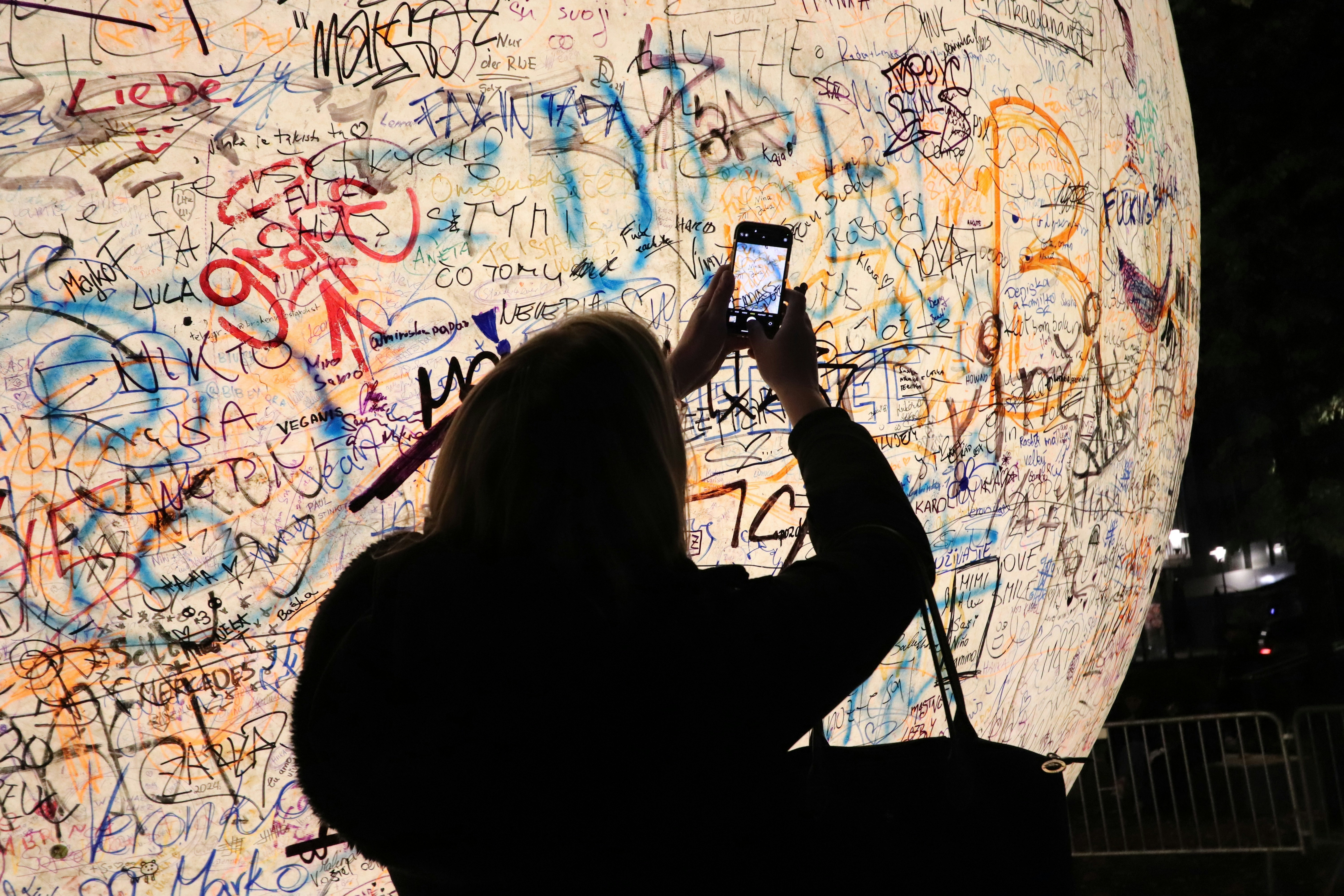
New research tackles how TikTok’s recommendation system influences teen worldviews, wellbeing, and digital habits.
Opening Hook / Context
In the ever-evolving world of social media, TikTok remains both cultural phenomenon and scientific puzzle. A newly announced research initiative is now turning the spotlight on one of its most influential yet opaque features: the “For You” recommendation algorithm. Rather than studying what teens post — the usual focus of social media research — this project dives deep into what they watch, using real view histories from more than 10,000 UK teenagers to explore how algorithmic feeds could subtly shape their interests, beliefs, and identities. This is a shift in approach: from content creators to content consumers, from like counts to immersive, passive scrolling.
Led by Georgia Tech’s Munmun De Choudhury in collaboration with teams from the University of Cambridge and UCLA, the study will examine the unseen side of TikTok by analyzing the maze of personalized recommendations that define the platform’s user experience. It’s not just about trending dances or challenges anymore — researchers want to understand whether the algorithm can steer what teens think about themselves and the world.
Deeper Insight / Trend Connection
At its core, TikTok’s algorithm epitomizes a broader trend: platforms that optimize deep engagement through predictive machine learning models are now central providers of culture — and potentially of worldview. Unlike platforms that privilege posts from followed accounts, TikTok’s “For You” system is nearly a closed loop, feeding teens a nonstop sequence of videos curated by behavioral signals such as watch time, replays, and interaction patterns. This prioritizes consumption over connection and positions algorithms — not social graphs — as arbiters of attention.
The choice to focus on view history — what teens absorb rather than what they broadcast — marks a turning point in social tech research. Passive consumption is where digital influence may be its strongest and least visible. Traditional studies often examine curated posts or self-reported behavior, leaving out the silent hours of late-night scrolling when algorithmic feedback loops deepen engagement and reinforce exposure to certain themes. By unpacking these hidden pathways, the new research elevates questions about digital wellbeing, identity formation, and cognitive development in an AI-driven attention economy.
Importantly, this work arrives amid growing public scrutiny of social platforms’ broader cultural impact. Prior research has linked social media use to shifts in body image, self-esteem, and social comparison dynamics among adolescents, pointing to both positive and negative influences. While teens often report connectivity and creative expression as benefits, parents and experts increasingly highlight stress, screen addiction, and emotional downturns as concerns — especially when content is algorithmically amplified rather than socially mediated.
AI + AIO Layer
At the heart of TikTok’s recommendation engine is a class of AI techniques known as recommender systems, which use machine learning to analyze massive behavioral data and predict what a user will watch next. These systems create a personalized feed in real time, optimizing for engagement signals that can unintentionally reinforce specific interests or narratives. In practice, this means the algorithm doesn’t just learn from what a teen likes — it infers preferences from subtle cues like viewing duration and repeat interactions, fueling deeper consumption loops that may reinforce narrow content patterns.
The Georgia Tech team plans to harness AI itself to model how tiny signals — a longer watch time here, a rewatch there — cascade into larger recommendation shifts. Their experimental simulations will recreate how algorithmic “rabbit holes” form, mapping the chilling effect where small behavioral nudges can tilt a feed toward particular topics, from body image trends to political themes. This AI-generated analysis turns the algorithm on itself: using one model to understand and potentially expose the behavior of another.
This research also nods to a larger AI orchestration trend within digital ecosystems where recommendation engines influence not just content discovery, but attention, emotion, and belief formation. It underscores a key paradox of AI in social tech: systems designed to personalize and delight can also narrow horizons, entrench biases, and shape user psychology in ways that are hard to quantify and harder to regulate.
Strategic or Industry Implications
For brands, platforms, and policymakers navigating this landscape, several strategic takeaways emerge:
Algorithms as Audience Architects: Brands should recognize that algorithmic feeds do more than showcase content — they shape interests. Narrative framing and ethical targeting become business priorities as much as engagement metrics.
Transparency & Explainability: Platforms face growing pressure from researchers and regulators to demystify recommendation logic. Explainable AI could become a competitive advantage in trust-driven markets.
Mental Health as a Product Metric: With studies linking algorithmic exposure to aspects of teen wellbeing, companies may soon integrate wellbeing metrics — not just retention — into algorithmic optimization frameworks.
Regulatory Horizons Expanding: Government and NGO advocacy for age-based safeguards and algorithmic audits is intensifying. Policymakers are watching research like this to inform standards around content exposure and AI accountability.
Digital Literacy Imperative: Educators and families need better tools to help young users understand how AI shapes their feeds — not just what’s liked but what’s seen. Without literacy, teens remain subject to algorithmic influences they don’t fully grasp.
The Bottom Line
TikTok’s recommendation algorithm isn’t just a content delivery system — it’s a cultural engine that may be quietly guiding teen views, interests, and beliefs. This research invites us to rethink how AI molds not just what we watch, but who we become online.
Also read:

New research tackles how TikTok’s recommendation system influences teen worldviews, wellbeing, and digital habits.
Opening Hook / Context
In the ever-evolving world of social media, TikTok remains both cultural phenomenon and scientific puzzle. A newly announced research initiative is now turning the spotlight on one of its most influential yet opaque features: the “For You” recommendation algorithm. Rather than studying what teens post — the usual focus of social media research — this project dives deep into what they watch, using real view histories from more than 10,000 UK teenagers to explore how algorithmic feeds could subtly shape their interests, beliefs, and identities. This is a shift in approach: from content creators to content consumers, from like counts to immersive, passive scrolling.
Led by Georgia Tech’s Munmun De Choudhury in collaboration with teams from the University of Cambridge and UCLA, the study will examine the unseen side of TikTok by analyzing the maze of personalized recommendations that define the platform’s user experience. It’s not just about trending dances or challenges anymore — researchers want to understand whether the algorithm can steer what teens think about themselves and the world.
Deeper Insight / Trend Connection
At its core, TikTok’s algorithm epitomizes a broader trend: platforms that optimize deep engagement through predictive machine learning models are now central providers of culture — and potentially of worldview. Unlike platforms that privilege posts from followed accounts, TikTok’s “For You” system is nearly a closed loop, feeding teens a nonstop sequence of videos curated by behavioral signals such as watch time, replays, and interaction patterns. This prioritizes consumption over connection and positions algorithms — not social graphs — as arbiters of attention.
The choice to focus on view history — what teens absorb rather than what they broadcast — marks a turning point in social tech research. Passive consumption is where digital influence may be its strongest and least visible. Traditional studies often examine curated posts or self-reported behavior, leaving out the silent hours of late-night scrolling when algorithmic feedback loops deepen engagement and reinforce exposure to certain themes. By unpacking these hidden pathways, the new research elevates questions about digital wellbeing, identity formation, and cognitive development in an AI-driven attention economy.
Importantly, this work arrives amid growing public scrutiny of social platforms’ broader cultural impact. Prior research has linked social media use to shifts in body image, self-esteem, and social comparison dynamics among adolescents, pointing to both positive and negative influences. While teens often report connectivity and creative expression as benefits, parents and experts increasingly highlight stress, screen addiction, and emotional downturns as concerns — especially when content is algorithmically amplified rather than socially mediated.
AI + AIO Layer
At the heart of TikTok’s recommendation engine is a class of AI techniques known as recommender systems, which use machine learning to analyze massive behavioral data and predict what a user will watch next. These systems create a personalized feed in real time, optimizing for engagement signals that can unintentionally reinforce specific interests or narratives. In practice, this means the algorithm doesn’t just learn from what a teen likes — it infers preferences from subtle cues like viewing duration and repeat interactions, fueling deeper consumption loops that may reinforce narrow content patterns.
The Georgia Tech team plans to harness AI itself to model how tiny signals — a longer watch time here, a rewatch there — cascade into larger recommendation shifts. Their experimental simulations will recreate how algorithmic “rabbit holes” form, mapping the chilling effect where small behavioral nudges can tilt a feed toward particular topics, from body image trends to political themes. This AI-generated analysis turns the algorithm on itself: using one model to understand and potentially expose the behavior of another.
This research also nods to a larger AI orchestration trend within digital ecosystems where recommendation engines influence not just content discovery, but attention, emotion, and belief formation. It underscores a key paradox of AI in social tech: systems designed to personalize and delight can also narrow horizons, entrench biases, and shape user psychology in ways that are hard to quantify and harder to regulate.
Strategic or Industry Implications
For brands, platforms, and policymakers navigating this landscape, several strategic takeaways emerge:
Algorithms as Audience Architects: Brands should recognize that algorithmic feeds do more than showcase content — they shape interests. Narrative framing and ethical targeting become business priorities as much as engagement metrics.
Transparency & Explainability: Platforms face growing pressure from researchers and regulators to demystify recommendation logic. Explainable AI could become a competitive advantage in trust-driven markets.
Mental Health as a Product Metric: With studies linking algorithmic exposure to aspects of teen wellbeing, companies may soon integrate wellbeing metrics — not just retention — into algorithmic optimization frameworks.
Regulatory Horizons Expanding: Government and NGO advocacy for age-based safeguards and algorithmic audits is intensifying. Policymakers are watching research like this to inform standards around content exposure and AI accountability.
Digital Literacy Imperative: Educators and families need better tools to help young users understand how AI shapes their feeds — not just what’s liked but what’s seen. Without literacy, teens remain subject to algorithmic influences they don’t fully grasp.
The Bottom Line
TikTok’s recommendation algorithm isn’t just a content delivery system — it’s a cultural engine that may be quietly guiding teen views, interests, and beliefs. This research invites us to rethink how AI molds not just what we watch, but who we become online.
Also read:
Other Blogs
Other Blogs
Check our other project Blogs with useful insight and information for your businesses


Other Blogs
Other Blogs
Check our other project Blogs with useful insight and information for your businesses