January 10, 2026
TikTok’s FIFA World Cup 2026 Streaming Push
January 10, 2026
TikTok’s FIFA World Cup 2026 Streaming Push
FIFA names TikTok first-ever preferred platform with livestreams, creator access, and fan-first content shaping sports engagement.
Opening Hook / Context
In a move that feels more Silicon Valley than Zurich, FIFA has officially named TikTok its first-ever “Preferred Platform” for video content at the 2026 FIFA World Cup. The world’s most-watched sporting event — running June 11 to July 19 across the United States, Mexico, and Canada — isn’t just expanding from 32 to 48 teams. It’s expanding how, where, and by whom its stories are told. TikTok’s immersive World Cup hub will offer parts of matches, bespoke FIFA content, and curated creator access that go beyond highlight reels and into the arena of live sports media innovation.
This isn’t a simple sponsorship plug-in. FIFA and TikTok’s collaboration introduces a hybrid media model where broadcast rights, social video, and creator storytelling intersect — challenging entrenched assumptions about where sports visibility lives in 2026.
Deeper Insight / Trend Connection
Forward-thinking sports media strategies aren’t new, but this partnership signals a structural shift in how global federations think about media rights. Historically dominated by legacy broadcasters (think linear TV and pay TV rights), top-tier properties — especially the World Cup — are now experimenting with social platforms as strategic broadcast extensions. TikTok’s role isn’t replacing traditional rights holders, but augmenting them with a social-native, short-form distribution model that meets Gen Z where they already are.
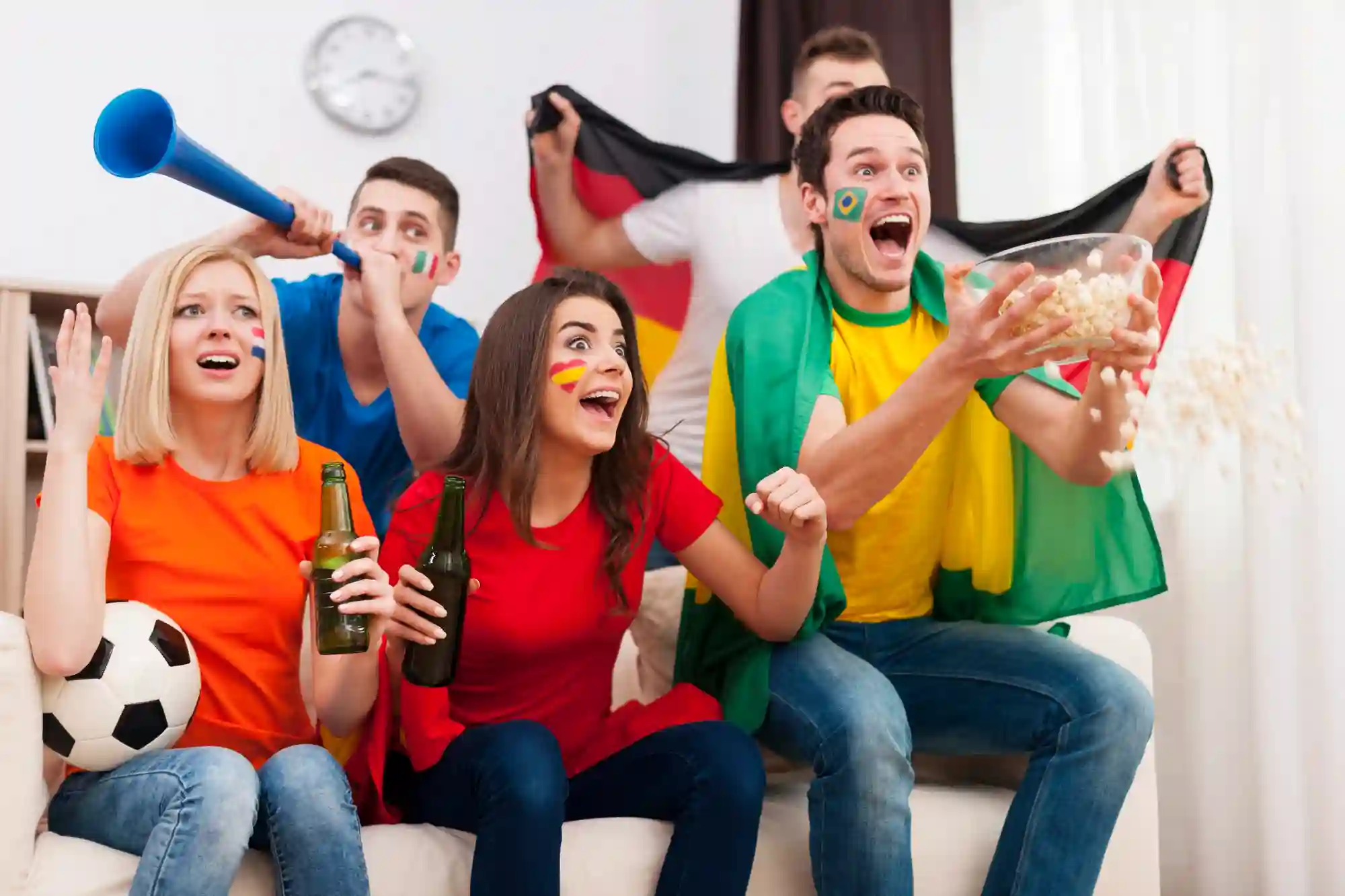
Sports consumption is fragmenting. Fans today expect highlights, immersive clips, behind-the-scenes access, and community conversation — all in formats optimized for mobile and social sharing. TikTok’s World Cup hub brings those expectations into official coverage, blending journalistic reportage, influencer creativity, and federated storytelling under one algorithm-driven roof.
In essence, TikTok isn’t just a marketing channel — it’s a parallel broadcast ecosystem, where short-form gravity meets high-stakes global fandom.
AI + AIO Layer
Where AI and intelligence orchestration (AIO) come into play is in how this content will be curated, recommended, and personalized at scale:
1. Algorithmic Personalization as Broadcast Backbone
TikTok’s recommendation engine uses machine learning to surface content that aligns with fan behavior. This means two distinct fan journeys:
The casual fan gets quick highlights and accessible narratives.
The superfan gets behind-the-scenes clips, player moments, and creator perspectives — all tailored in real time.
This dynamic curation mimics a future version of broadcasting where audience attention is the primary signal, not mass scheduling.
2. Creator Intelligence as Content Layer
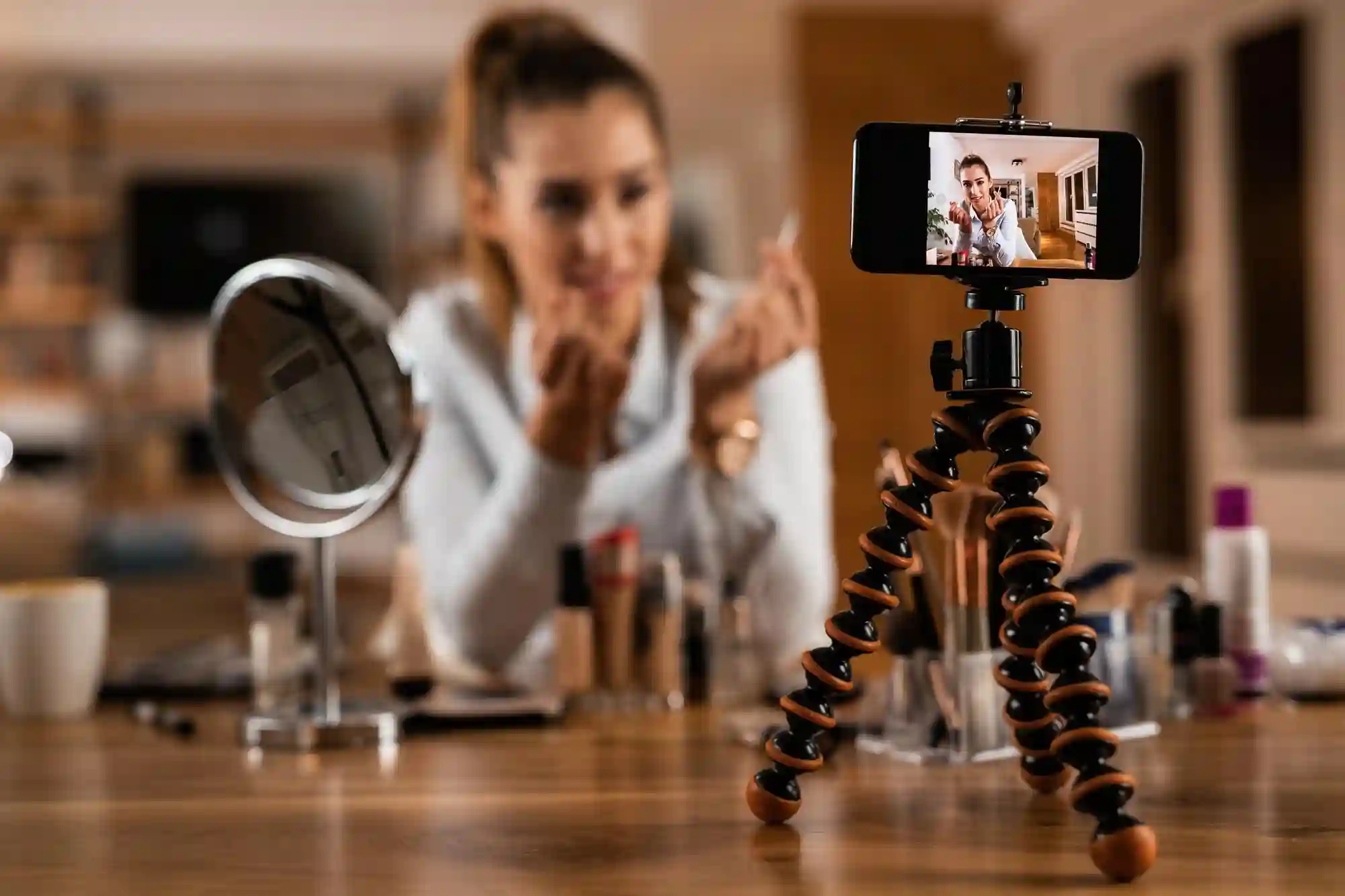
The creator program isn’t ornamental. It’s a deliberate strategy to harness human AI — creators who interpret, remix, and contextualize World Cup moments with cultural nuance. These creators serve as adaptive content nodes that feed the algorithm with emotionally resonant material that pure broadcast can’t generate as quickly or authentically.
3. AI-Driven Engagement Features
Interactive stickers, gamification layers, and in-app experiences are not just bells and whistles. They are AIO tools that elevate passive viewing into participatory engagement — a key trend in digital media where viewership is measurable not just by eyeballs, but by actions and conversions.
In the decade ahead, sports fandom will be less about linear time and more about attention loops — and AI is the clockmaking engine.
Strategic or Industry Implications
For creators
An unprecedented official sandbox to produce high-visibility World Cup content.
Access to press conferences, training glimpses, and archival footage offers authentic storytelling hooks.
Potential acceleration of creator careers through association with the world’s biggest sporting event.
For broadcasters and rights holders
New monetization pathways via TikTok’s premium ads.
Live-clip distribution rights that enhance — not replace — core broadcast deals.
Opportunities to funnel social attention back into traditional viewing windows.
For brands and sponsors
Creative integrations across short-form video and live sports narratives.
Meaningful engagement with global audiences through participatory features.
Data-driven measurement of campaign resonance via platform signals like views, shares, and engagement loops.
For fans
A multi-layered World Cup experience that blends live moments, community storytelling, and social interaction.
A pathway to feel closer to the tournament than ever before — not just as spectators, but as contributors to the cultural conversation.
The Bottom Line
The TikTok–FIFA World Cup 2026 partnership is more than a rights expansion — it’s a blueprint for social-first global sports media where AI-powered distribution and creator intelligence reshape how fandom is defined and monetized. Future sports broadcasts won’t just be watched on screens; they’ll be felt in feeds.
Also read:
FIFA names TikTok first-ever preferred platform with livestreams, creator access, and fan-first content shaping sports engagement.
Opening Hook / Context
In a move that feels more Silicon Valley than Zurich, FIFA has officially named TikTok its first-ever “Preferred Platform” for video content at the 2026 FIFA World Cup. The world’s most-watched sporting event — running June 11 to July 19 across the United States, Mexico, and Canada — isn’t just expanding from 32 to 48 teams. It’s expanding how, where, and by whom its stories are told. TikTok’s immersive World Cup hub will offer parts of matches, bespoke FIFA content, and curated creator access that go beyond highlight reels and into the arena of live sports media innovation.
This isn’t a simple sponsorship plug-in. FIFA and TikTok’s collaboration introduces a hybrid media model where broadcast rights, social video, and creator storytelling intersect — challenging entrenched assumptions about where sports visibility lives in 2026.
Deeper Insight / Trend Connection
Forward-thinking sports media strategies aren’t new, but this partnership signals a structural shift in how global federations think about media rights. Historically dominated by legacy broadcasters (think linear TV and pay TV rights), top-tier properties — especially the World Cup — are now experimenting with social platforms as strategic broadcast extensions. TikTok’s role isn’t replacing traditional rights holders, but augmenting them with a social-native, short-form distribution model that meets Gen Z where they already are.
Sports consumption is fragmenting. Fans today expect highlights, immersive clips, behind-the-scenes access, and community conversation — all in formats optimized for mobile and social sharing. TikTok’s World Cup hub brings those expectations into official coverage, blending journalistic reportage, influencer creativity, and federated storytelling under one algorithm-driven roof.
In essence, TikTok isn’t just a marketing channel — it’s a parallel broadcast ecosystem, where short-form gravity meets high-stakes global fandom.
AI + AIO Layer
Where AI and intelligence orchestration (AIO) come into play is in how this content will be curated, recommended, and personalized at scale:
1. Algorithmic Personalization as Broadcast Backbone
TikTok’s recommendation engine uses machine learning to surface content that aligns with fan behavior. This means two distinct fan journeys:
The casual fan gets quick highlights and accessible narratives.
The superfan gets behind-the-scenes clips, player moments, and creator perspectives — all tailored in real time.
This dynamic curation mimics a future version of broadcasting where audience attention is the primary signal, not mass scheduling.
2. Creator Intelligence as Content Layer
The creator program isn’t ornamental. It’s a deliberate strategy to harness human AI — creators who interpret, remix, and contextualize World Cup moments with cultural nuance. These creators serve as adaptive content nodes that feed the algorithm with emotionally resonant material that pure broadcast can’t generate as quickly or authentically.
3. AI-Driven Engagement Features
Interactive stickers, gamification layers, and in-app experiences are not just bells and whistles. They are AIO tools that elevate passive viewing into participatory engagement — a key trend in digital media where viewership is measurable not just by eyeballs, but by actions and conversions.
In the decade ahead, sports fandom will be less about linear time and more about attention loops — and AI is the clockmaking engine.
Strategic or Industry Implications
For creators
An unprecedented official sandbox to produce high-visibility World Cup content.
Access to press conferences, training glimpses, and archival footage offers authentic storytelling hooks.
Potential acceleration of creator careers through association with the world’s biggest sporting event.
For broadcasters and rights holders
New monetization pathways via TikTok’s premium ads.
Live-clip distribution rights that enhance — not replace — core broadcast deals.
Opportunities to funnel social attention back into traditional viewing windows.
For brands and sponsors
Creative integrations across short-form video and live sports narratives.
Meaningful engagement with global audiences through participatory features.
Data-driven measurement of campaign resonance via platform signals like views, shares, and engagement loops.
For fans
A multi-layered World Cup experience that blends live moments, community storytelling, and social interaction.
A pathway to feel closer to the tournament than ever before — not just as spectators, but as contributors to the cultural conversation.
The Bottom Line
The TikTok–FIFA World Cup 2026 partnership is more than a rights expansion — it’s a blueprint for social-first global sports media where AI-powered distribution and creator intelligence reshape how fandom is defined and monetized. Future sports broadcasts won’t just be watched on screens; they’ll be felt in feeds.
Also read:
Other Blogs
Other Blogs
Check our other project Blogs with useful insight and information for your businesses

Other Blogs
Other Blogs
Check our other project Blogs with useful insight and information for your businesses