February 3, 2026
TikTok’s Food Trends Are Changing Eating Habits
February 3, 2026
TikTok’s Food Trends Are Changing Eating Habits
New research shows TikTok videos are reshaping food choices and dining behaviors — with AI-driven feeds turning trends into real life.
Opening Hook / Context
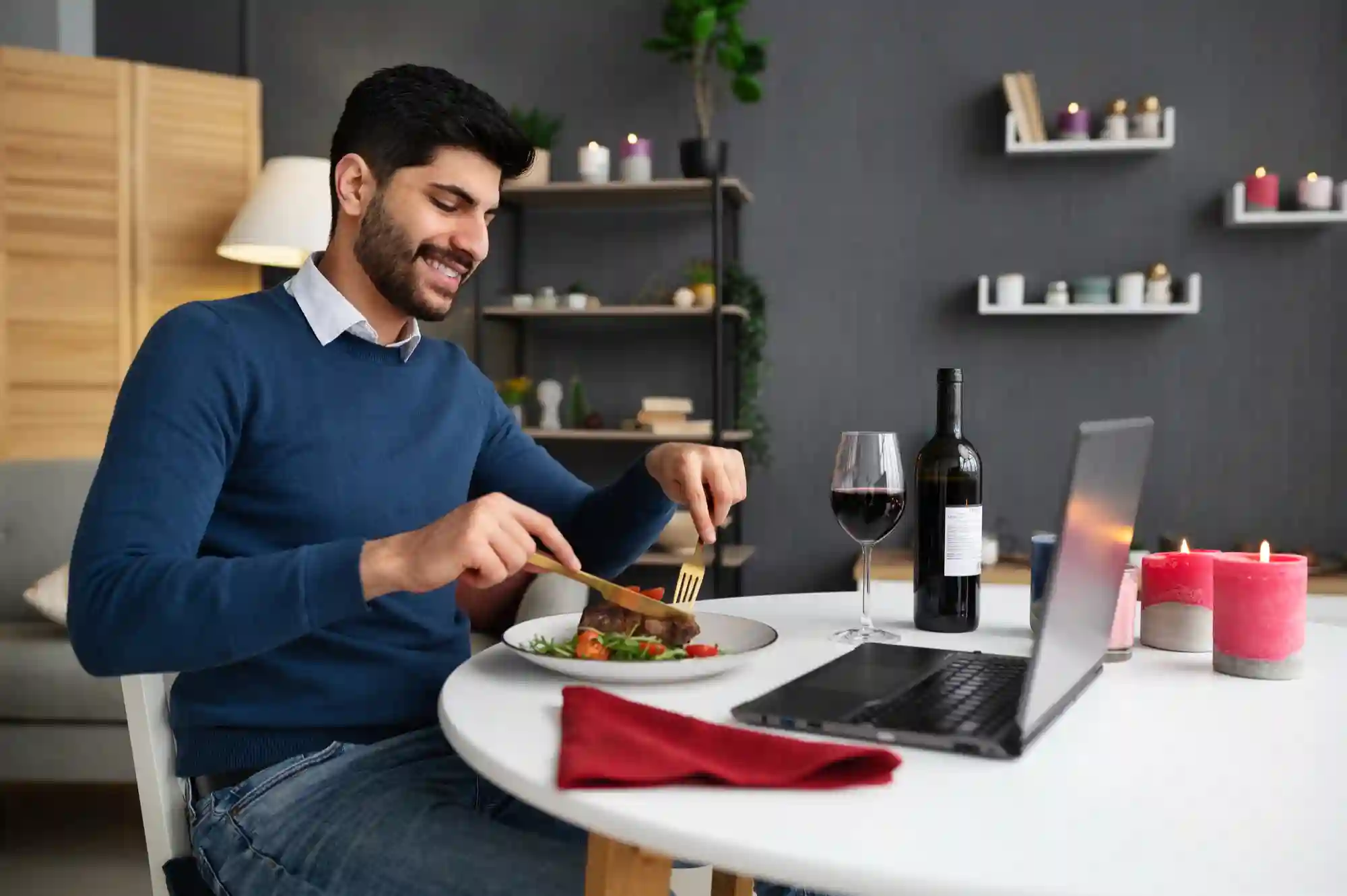
Walk into any grocery store or restaurant in 2025 and you’ll see evidence of TikTok’s culinary takeover. Shoppers clutch bags of exotic ingredients, teens debate the best version of a viral recipe, and luxury items like Dubai’s pistachio-studded chocolate bars are sold out in aisles well beyond the Middle East. What once felt like niche food content has become a defining force in how young people discover, cook, and even crave food — and it’s not just about entertainment anymore. Researchers now find that TikTok’s short-form videos don’t just spark trends; they influence real-world eating habits, dining choices, and even restaurant visits.
FoodTok has evolved from cooking hacks and mukbangs to a cultural engine, reshaping tastes and appetites in ways that blur the digital and physical worlds. That influence matters because it’s not just about a trendy cucumber salad or an indulgent Dubai chocolate bar — it’s how TikTok’s algorithmic feed turns a fleeting moment into measurable consumer behaviors.
Deeper Insight / Trend Connection
At its core, TikTok’s influence on food is about more than what's trending; it's about how trends propagate. Research published in the International Journal of Consumer Studies shows that nearly all TikTok users surveyed have tried a recipe they first saw on the platform, and more than half have visited a restaurant after watching a review — often without any prior knowledge of the dish or eatery.
Four key drivers explain this phenomenon:
Algorithmic Amplification: TikTok’s feed prioritizes visually addictive and quick-to-consume content. Food videos — with sizzling pans, bright colors, and sensory hooks — are prime candidates for algorithmic promotion.
Entertainment > Nutrition: Research suggests entertainment value often outweighs educational or nutritional content when users decide what to cook or eat. In other words: virality beats expertise.
Social Proof: When peers and creators share experiences, their recommendations feel more trustworthy than traditional advertising — especially among younger audiences.
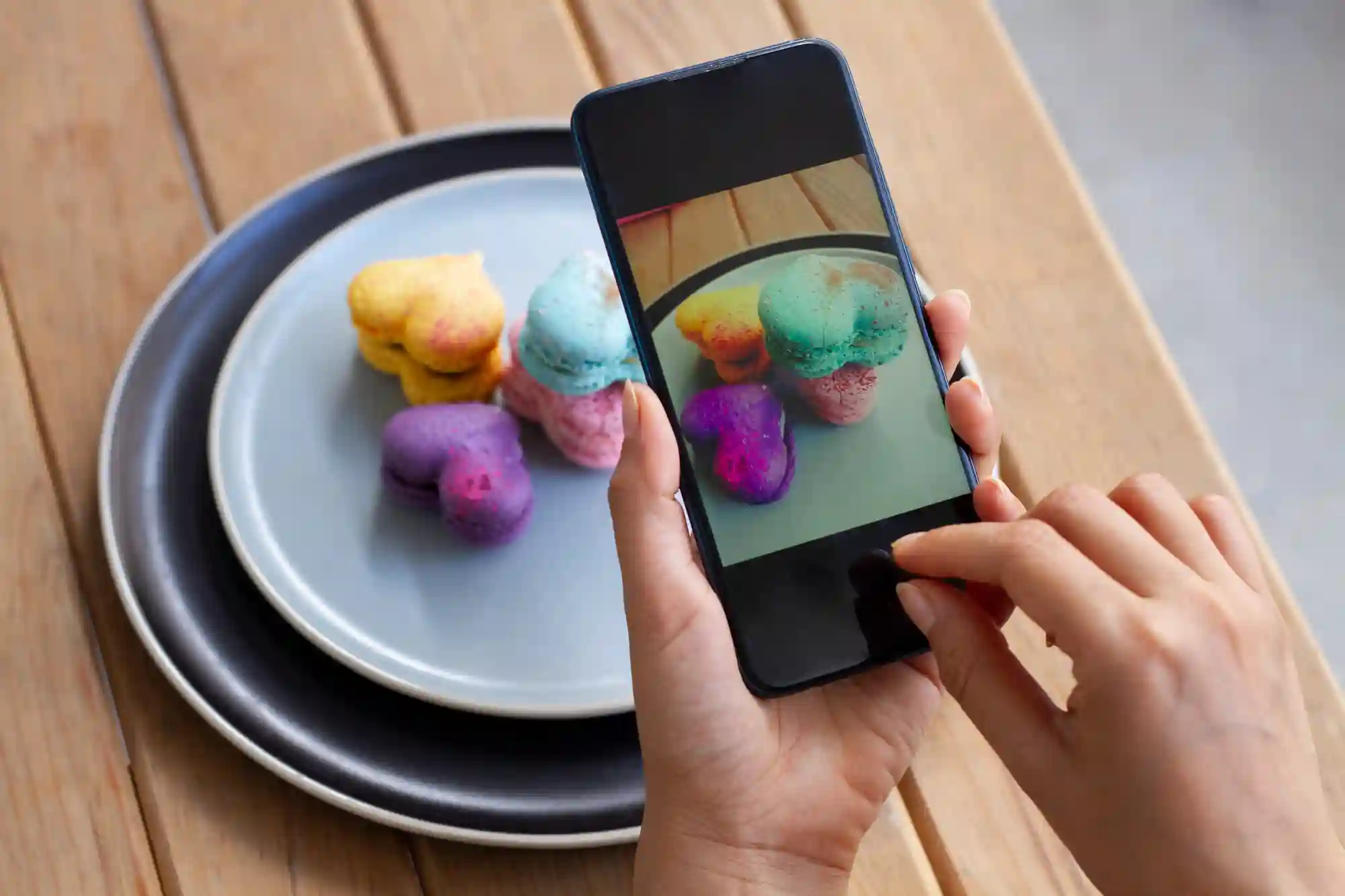
Visual Culture: TikTok’s format turns every meal into a spectacle, where texture, color, and trend context matter as much as flavour.
That’s why something as simple as a no-cook cucumber salad can be as influential as an opulent chocolate bar originally sold in a Dubai boutique.
AI + AIO Layer
Here’s where the story intersects with AI and intelligence orchestration (AIO): TikTok’s entire food phenomenon rests on automated recommendation systems that learn and amplify user preferences. The platform’s AI doesn’t just suggest content — it curates personal taste profiles that shape what users want to see next. These AI-driven systems:
Analyze user interactions (likes, watch time, shares) to boost similar food content.
Reinforce patterns that lead to longer engagement, regardless of whether content is new or niche.
Build behavioral loops where users discover unfamiliar foods alongside familiar ones, increasing the likelihood of divergent eating choices.
Unlike traditional food media — magazines, TV shows, cooking blogs — TikTok’s AI doesn’t just distribute content; it predicts and nudges tastes. Every scroll and replay trains the AI to filter the next dish, trend, or restaurant recommendation into your feed. In effect, AI is orchestrating not just content delivery but culinary desire itself.
This blends into a broader AIO trend: personalized taste economies. Just as music streaming algorithms shape listening habits, TikTok’s AI systems are crafting new patterns in food discovery and consumption. These systems operate in real time, updating what’s “in” faster than any chef’s calendar or food critic could.
Strategic or Industry Implications
For businesses, brands, and creators, TikTok’s culinary influence isn’t a fad — it’s a strategic frontier:
Brands must think like creators: Traditional advertising holds less sway than participatory content created with the community.
Restaurants should optimize for discovery: Partnering with influencers or crafting dishes that photograph well for short-form video can drive foot traffic.
Product developers can leverage AI insights: Understand which ingredients and formats are trending via AI analytics tools to inform launches.
Health communicators need tailored strategies: Entertainment-driven food content can override healthy messaging; interventions should blend fun with educational cues.
The Bottom Line
TikTok hasn’t just changed what we watch — it’s changed what we eat. In a world where AI curates tastes and turns culinary trends into economic realities, food culture is no longer just about flavor; it’s about algorithmic influence and social validation. The takeaway: digital appetites are now as powerful as physical ones — and brands that decode this AI-driven shift stand to reshape entire food ecosystems.
Also read:
New research shows TikTok videos are reshaping food choices and dining behaviors — with AI-driven feeds turning trends into real life.
Opening Hook / Context
Walk into any grocery store or restaurant in 2025 and you’ll see evidence of TikTok’s culinary takeover. Shoppers clutch bags of exotic ingredients, teens debate the best version of a viral recipe, and luxury items like Dubai’s pistachio-studded chocolate bars are sold out in aisles well beyond the Middle East. What once felt like niche food content has become a defining force in how young people discover, cook, and even crave food — and it’s not just about entertainment anymore. Researchers now find that TikTok’s short-form videos don’t just spark trends; they influence real-world eating habits, dining choices, and even restaurant visits.
FoodTok has evolved from cooking hacks and mukbangs to a cultural engine, reshaping tastes and appetites in ways that blur the digital and physical worlds. That influence matters because it’s not just about a trendy cucumber salad or an indulgent Dubai chocolate bar — it’s how TikTok’s algorithmic feed turns a fleeting moment into measurable consumer behaviors.
Deeper Insight / Trend Connection
At its core, TikTok’s influence on food is about more than what's trending; it's about how trends propagate. Research published in the International Journal of Consumer Studies shows that nearly all TikTok users surveyed have tried a recipe they first saw on the platform, and more than half have visited a restaurant after watching a review — often without any prior knowledge of the dish or eatery.
Four key drivers explain this phenomenon:
Algorithmic Amplification: TikTok’s feed prioritizes visually addictive and quick-to-consume content. Food videos — with sizzling pans, bright colors, and sensory hooks — are prime candidates for algorithmic promotion.
Entertainment > Nutrition: Research suggests entertainment value often outweighs educational or nutritional content when users decide what to cook or eat. In other words: virality beats expertise.
Social Proof: When peers and creators share experiences, their recommendations feel more trustworthy than traditional advertising — especially among younger audiences.
Visual Culture: TikTok’s format turns every meal into a spectacle, where texture, color, and trend context matter as much as flavour.
That’s why something as simple as a no-cook cucumber salad can be as influential as an opulent chocolate bar originally sold in a Dubai boutique.
AI + AIO Layer
Here’s where the story intersects with AI and intelligence orchestration (AIO): TikTok’s entire food phenomenon rests on automated recommendation systems that learn and amplify user preferences. The platform’s AI doesn’t just suggest content — it curates personal taste profiles that shape what users want to see next. These AI-driven systems:
Analyze user interactions (likes, watch time, shares) to boost similar food content.
Reinforce patterns that lead to longer engagement, regardless of whether content is new or niche.
Build behavioral loops where users discover unfamiliar foods alongside familiar ones, increasing the likelihood of divergent eating choices.
Unlike traditional food media — magazines, TV shows, cooking blogs — TikTok’s AI doesn’t just distribute content; it predicts and nudges tastes. Every scroll and replay trains the AI to filter the next dish, trend, or restaurant recommendation into your feed. In effect, AI is orchestrating not just content delivery but culinary desire itself.
This blends into a broader AIO trend: personalized taste economies. Just as music streaming algorithms shape listening habits, TikTok’s AI systems are crafting new patterns in food discovery and consumption. These systems operate in real time, updating what’s “in” faster than any chef’s calendar or food critic could.
Strategic or Industry Implications
For businesses, brands, and creators, TikTok’s culinary influence isn’t a fad — it’s a strategic frontier:
Brands must think like creators: Traditional advertising holds less sway than participatory content created with the community.
Restaurants should optimize for discovery: Partnering with influencers or crafting dishes that photograph well for short-form video can drive foot traffic.
Product developers can leverage AI insights: Understand which ingredients and formats are trending via AI analytics tools to inform launches.
Health communicators need tailored strategies: Entertainment-driven food content can override healthy messaging; interventions should blend fun with educational cues.
The Bottom Line
TikTok hasn’t just changed what we watch — it’s changed what we eat. In a world where AI curates tastes and turns culinary trends into economic realities, food culture is no longer just about flavor; it’s about algorithmic influence and social validation. The takeaway: digital appetites are now as powerful as physical ones — and brands that decode this AI-driven shift stand to reshape entire food ecosystems.
Also read:
Other Blogs
Other Blogs
Check our other project Blogs with useful insight and information for your businesses

Other Blogs
Other Blogs
Check our other project Blogs with useful insight and information for your businesses