
January 24, 2026
TikTok’s New U.S. Deal: Reinventing the App Under US Control
January 24, 2026
TikTok’s New U.S. Deal: Reinventing the App Under US Control
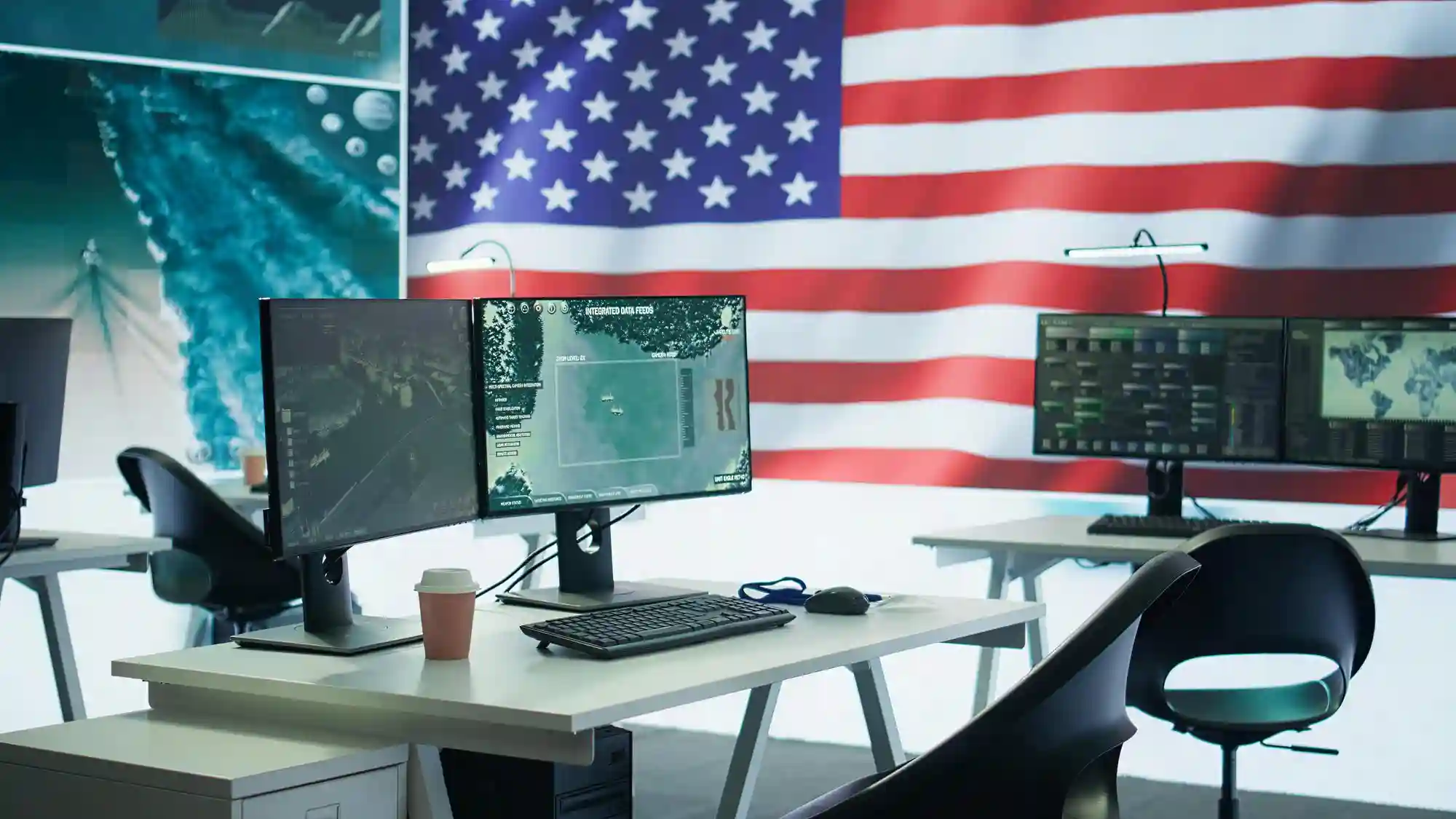
TikTok dodges a U.S. ban with a new American-controlled joint venture, reshaping its algorithm and future in the AI-driven social era.
Opening Hook / Context
In a dramatic pivot that would have seemed improbable just a few years ago, TikTok has officially closed a deal to keep its U.S. operations alive — not as a Chinese-owned app, but as a majority American-controlled venture. What once felt like an inevitable ban has instead turned into a landmark restructuring: TikTok USDS Joint Venture LLC will now run TikTok in the United States, governed largely by American investors and overseen under stringent data and algorithm safeguards. It’s the culmination of a saga that has stretched from bipartisan U.S. legislation to global negotiations with China, redefining what it means to govern a platform at the crossroads of culture, technology, and geopolitics.
For the hundreds of millions of Americans who open the app daily — and the millions who make their living on it — the threat of an outright ban has been replaced by uncertainty about what “TikTok, but American” will actually look like. The deal is as much about optics and security reassurance as it is about retooling the infrastructure of one of the world’s most influential social platforms.
Deeper Insight / Trend Connection
The TikTok deal reads like a case study in how digital platforms are becoming entangled in national interests. A company built on machine learning-driven recommendations and cultural virality now sits at the intersection of national security policy, global economics, and cultural influence. This isn’t just a corporate sale — it’s a structural redefinition of how a consumer app operates within geopolitical boundaries.
Key elements of the arrangement include:
Ownership Rebalancing: A consortium led by Oracle, private equity firm Silver Lake, and UAE-based MGX now commands a majority stake in TikTok’s U.S. unit, while China’s ByteDance holds just under 20%, complying with U.S. law aimed at limiting foreign control of influential digital platforms.
Governance & Security: A new, majority-American board will oversee data protection, content moderation, and algorithmic governance, addressing national security concerns that have dogged the platform since 2020.
User Experience Continuity: For everyday users, the interface, relationships with creators, and core social features remain intact — but what powers their “For You” feeds is now subject to retraining and oversight on American soil.
This is a moment of transition in how digital social infrastructure aligns with domestic policy priorities. It acknowledges that platforms are no longer just global products — they are systems that can shape public discourse, economic opportunity, and national security.
AI + AIO Layer
At the heart of TikTok’s value — and the core of U.S. anxiety — is its recommendation algorithm: a deeply optimized machine learning engine that curates content at scale, keeping users engaged for hours. This algorithm is what advertisers pay for and what creators depend on for reach.
Under the deal, the U.S. entity will retrain this algorithm exclusively on U.S. user data and operate it within a secured cloud environment (managed by Oracle). That’s not just a technical footnote — it’s a fundamental rearchitecting of the AIO (Artificial Intelligence + Intelligence Orchestration) layer that drives the platform’s cultural gravity.
In practical terms:
Retraining the Model: By training recommendation models on a geographically distinct dataset (U.S. users), the joint venture aims to create a version of the algorithm that complies with domestic regulatory frameworks.
Data Localization: U.S. user data will be stored and governed under American security standards and subject to third-party audits.
Safeguards & Transparency: Continuous monitoring and compliance mechanisms will be part of the intelligence orchestration stack to align the AI ecosystem with policy expectations.
This isn’t a superficial tweak — it’s a blueprint for how powerful AI-driven platforms can be modulated to meet geopolitical and regulatory obligations without fragmenting their global user experiences.
Strategic or Industry Implications
For tech executives, creators, and brand strategists, the implications are multi-layered:
Regulatory Precedent: This deal sets a new standard for how countries might negotiate control over foreign-born platforms that wield significant domestic influence.
AI Risk & Governance: Intelligence orchestration frameworks will become a core part of platform compliance strategies — not an afterthought — especially for systems with generative and recommendation AI.
Creator Economy Stability: While uncertainty remains, creators can now plan around a future where TikTok continues operating uninterrupted, albeit under a new governance model.
Data Sovereignty: Data localization and differentiated AI training datasets may become more common as national interests shape digital infrastructure.
Investor Confidence & Valuation: This structure could influence how platforms with geopolitical exposure are valued and governed, especially where algorithmic IP is central to business models.
These developments signal a shift from the assumption that digital platforms operate in a borderless sphere — to a world where national policy frameworks and AI systems must co-evolve.
The Bottom Line
TikTok’s U.S. deal isn’t just a corporate restructuring — it’s the first major test case of self-governing AI ecosystems operating at global scale under national policy constraints. What started as a contentious geopolitical flashpoint has become a blueprint for culturally significant, AI-driven platforms to navigate global governance without shutting down their communities.
TikTok’s rebirth under American control shows that the future of digital culture won’t be decided by markets or engineers alone — it will be shaped by how we govern the algorithms that curate our realities.
Also read:

TikTok dodges a U.S. ban with a new American-controlled joint venture, reshaping its algorithm and future in the AI-driven social era.
Opening Hook / Context
In a dramatic pivot that would have seemed improbable just a few years ago, TikTok has officially closed a deal to keep its U.S. operations alive — not as a Chinese-owned app, but as a majority American-controlled venture. What once felt like an inevitable ban has instead turned into a landmark restructuring: TikTok USDS Joint Venture LLC will now run TikTok in the United States, governed largely by American investors and overseen under stringent data and algorithm safeguards. It’s the culmination of a saga that has stretched from bipartisan U.S. legislation to global negotiations with China, redefining what it means to govern a platform at the crossroads of culture, technology, and geopolitics.
For the hundreds of millions of Americans who open the app daily — and the millions who make their living on it — the threat of an outright ban has been replaced by uncertainty about what “TikTok, but American” will actually look like. The deal is as much about optics and security reassurance as it is about retooling the infrastructure of one of the world’s most influential social platforms.
Deeper Insight / Trend Connection
The TikTok deal reads like a case study in how digital platforms are becoming entangled in national interests. A company built on machine learning-driven recommendations and cultural virality now sits at the intersection of national security policy, global economics, and cultural influence. This isn’t just a corporate sale — it’s a structural redefinition of how a consumer app operates within geopolitical boundaries.
Key elements of the arrangement include:
Ownership Rebalancing: A consortium led by Oracle, private equity firm Silver Lake, and UAE-based MGX now commands a majority stake in TikTok’s U.S. unit, while China’s ByteDance holds just under 20%, complying with U.S. law aimed at limiting foreign control of influential digital platforms.
Governance & Security: A new, majority-American board will oversee data protection, content moderation, and algorithmic governance, addressing national security concerns that have dogged the platform since 2020.
User Experience Continuity: For everyday users, the interface, relationships with creators, and core social features remain intact — but what powers their “For You” feeds is now subject to retraining and oversight on American soil.
This is a moment of transition in how digital social infrastructure aligns with domestic policy priorities. It acknowledges that platforms are no longer just global products — they are systems that can shape public discourse, economic opportunity, and national security.
AI + AIO Layer
At the heart of TikTok’s value — and the core of U.S. anxiety — is its recommendation algorithm: a deeply optimized machine learning engine that curates content at scale, keeping users engaged for hours. This algorithm is what advertisers pay for and what creators depend on for reach.
Under the deal, the U.S. entity will retrain this algorithm exclusively on U.S. user data and operate it within a secured cloud environment (managed by Oracle). That’s not just a technical footnote — it’s a fundamental rearchitecting of the AIO (Artificial Intelligence + Intelligence Orchestration) layer that drives the platform’s cultural gravity.
In practical terms:
Retraining the Model: By training recommendation models on a geographically distinct dataset (U.S. users), the joint venture aims to create a version of the algorithm that complies with domestic regulatory frameworks.
Data Localization: U.S. user data will be stored and governed under American security standards and subject to third-party audits.
Safeguards & Transparency: Continuous monitoring and compliance mechanisms will be part of the intelligence orchestration stack to align the AI ecosystem with policy expectations.
This isn’t a superficial tweak — it’s a blueprint for how powerful AI-driven platforms can be modulated to meet geopolitical and regulatory obligations without fragmenting their global user experiences.
Strategic or Industry Implications
For tech executives, creators, and brand strategists, the implications are multi-layered:
Regulatory Precedent: This deal sets a new standard for how countries might negotiate control over foreign-born platforms that wield significant domestic influence.
AI Risk & Governance: Intelligence orchestration frameworks will become a core part of platform compliance strategies — not an afterthought — especially for systems with generative and recommendation AI.
Creator Economy Stability: While uncertainty remains, creators can now plan around a future where TikTok continues operating uninterrupted, albeit under a new governance model.
Data Sovereignty: Data localization and differentiated AI training datasets may become more common as national interests shape digital infrastructure.
Investor Confidence & Valuation: This structure could influence how platforms with geopolitical exposure are valued and governed, especially where algorithmic IP is central to business models.
These developments signal a shift from the assumption that digital platforms operate in a borderless sphere — to a world where national policy frameworks and AI systems must co-evolve.
The Bottom Line
TikTok’s U.S. deal isn’t just a corporate restructuring — it’s the first major test case of self-governing AI ecosystems operating at global scale under national policy constraints. What started as a contentious geopolitical flashpoint has become a blueprint for culturally significant, AI-driven platforms to navigate global governance without shutting down their communities.
TikTok’s rebirth under American control shows that the future of digital culture won’t be decided by markets or engineers alone — it will be shaped by how we govern the algorithms that curate our realities.
Also read:
Other Blogs
Other Blogs
Check our other project Blogs with useful insight and information for your businesses



Other Blogs
Other Blogs
Check our other project Blogs with useful insight and information for your businesses