January 9, 2026
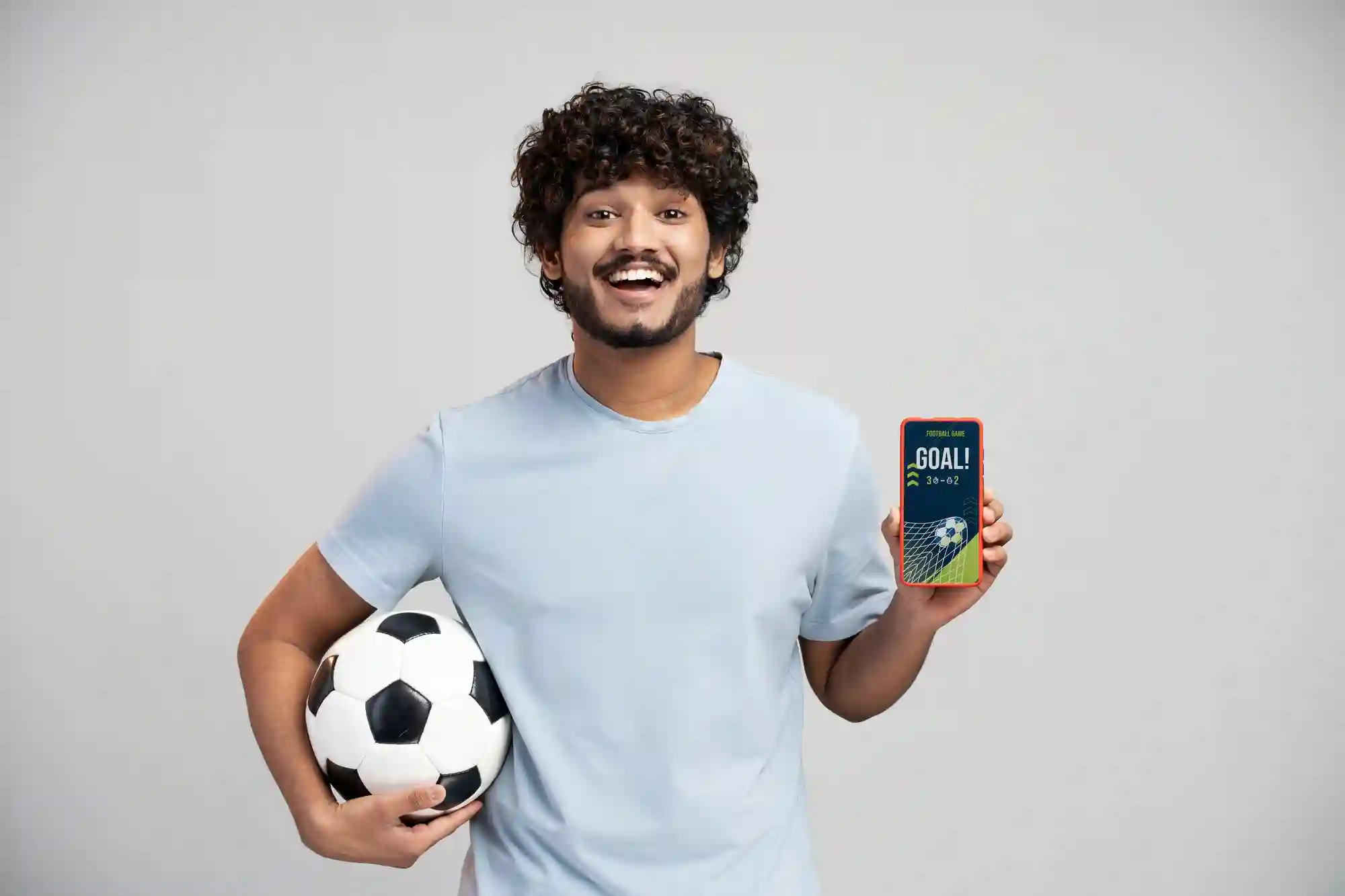
TikTok Named FIFA’s First Preferred Platform
January 9, 2026
TikTok Named FIFA’s First Preferred Platform
FIFA taps TikTok as its first Preferred Platform for the 2026 World Cup — a strategic play in fan engagement and AI-powered content distribution.
Opening Hook / Context
In a move that underscores how sport, culture, and short-form video now intersect at scale, FIFA has named TikTok as its first ever Preferred Platform ahead of the 2026 men’s World Cup. The deal, unprecedented in FIFA’s history, signals a strategic shift in how one of the world’s largest sporting events plans to connect with a global audience — not just through linear broadcasts, but through mobile, bite-sized, creator-driven content. Inside FIFA
This partnership expands on an already notable relationship: TikTok and FIFA collaborated during the 2023 Women’s World Cup, a campaign that delivered tens of billions of views — a signal of how much football fandom has migrated into the world of short-form social content. Inside FIFA
Rather than a traditional sponsorship or sponsorship tier, this arrangement elevates TikTok’s role into something closer to an integrated content hub — complete with original programming, creator access, and new interactive layers designed to bring the spectacle of the World Cup directly into users’ feeds. Inside FIFA
Deeper Insight / Trend Connection
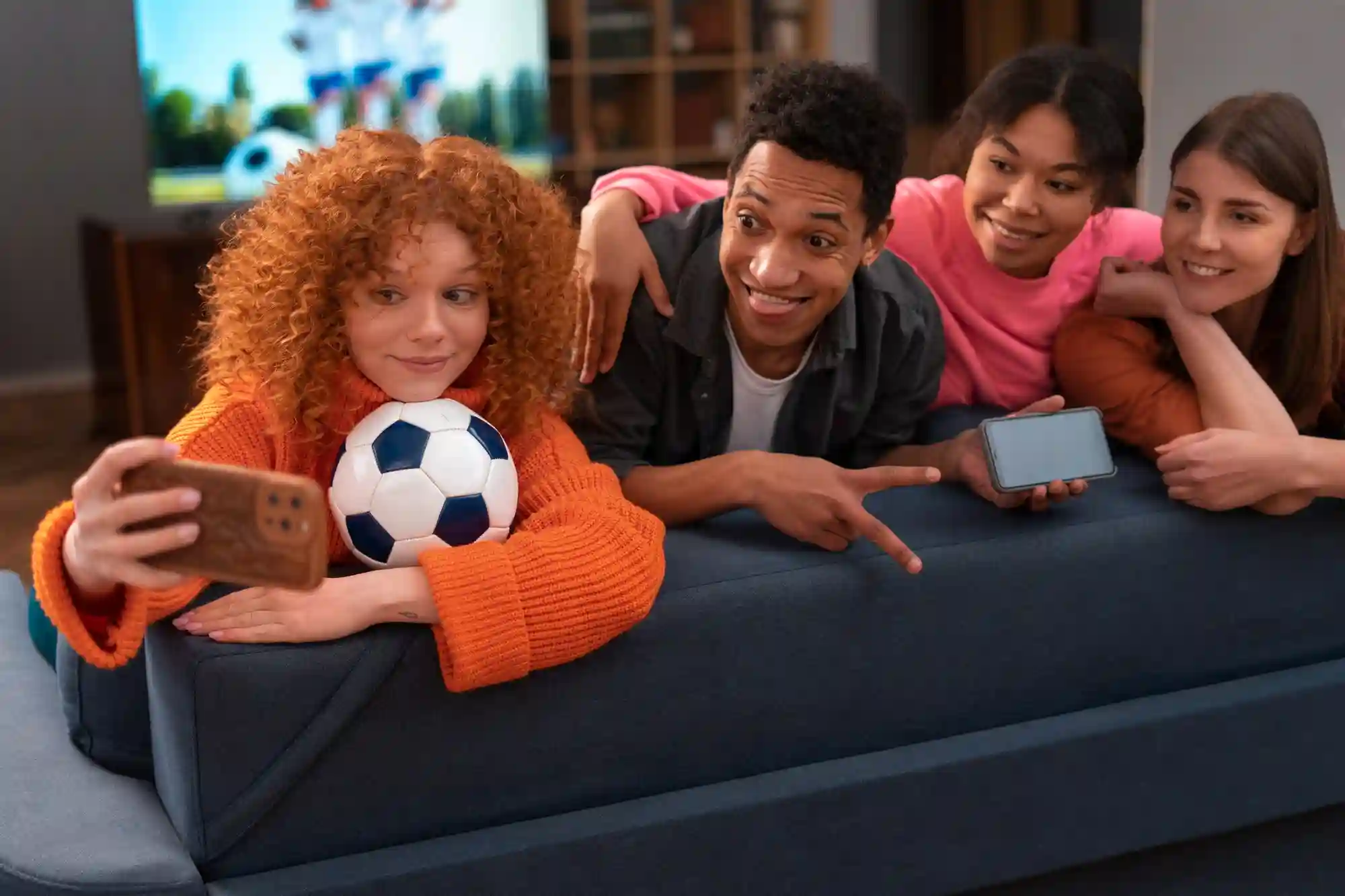
Sports entertainment has long been dominated by broadcast TV rights, with linear viewership historically seen as the currency of reach. But the game has changed — dramatically. Audiences under 30 increasingly discover sport highlights, analysis, and commentary on platforms like TikTok, Snapchat, and YouTube Shorts before turning on the actual game. TikTok, in particular, functions less like a traditional platform and more like a cultural amplifier — a place where narratives around sport are created, shaped, and socialized.
FIFA’s decision to appoint TikTok as a Preferred Platform is an evolution of that reality. It’s not just about distribution; it’s about becoming culturally relevant in an era where younger fans don’t tune in — they tap in. Yahoo Sports
For a tournament like the 2026 World Cup — set to be the most expansive in history, with 48 teams and 104 matches across three countries — the real challenge isn’t simply broadcasting it to the world, but engaging this global audience in ways that feel native to their digital lives. TikTok’s algorithmic discovery engine and culture of creator-led storytelling offer a new spine for that engagement.
AI + AIO Layer
At the heart of this partnership is the idea that content isn’t just produced — it’s orchestrated.
TikTok’s platform leverages machine learning to serve personalized content feeds, turning passive viewers into active participants. Its suite of features — from filters and gamification stickers to algorithmically suggested clips — already acts like a layer of intelligence orchestration that tailors sport experiences to individual tastes.
The centerpiece of this collaboration, the TikTok World Cup 2026 hub, will use TikTok’s GamePlan infrastructure — a data-driven content engine designed to surface highlights, match info, interactive experiences, and more. This kind of system goes well beyond human editorial workflows: it’s AI-powered personalization meeting real-time global events.
Creators selected under the new program will gain access to behind-the-scenes footage, press conferences, and training sessions — content that, when fed into TikTok’s AI systems, becomes a rich source of distributed narratives that engage fans beyond the 90 minutes of kick-off. Inside FIFA
This strategy effectively turns FIFA’s massive event into a continual content generator, where AI helps determine what parts of that content resonate most and delivers it to the right fan at the right time — a powerful next step in what we might call AI-driven sports fandom amplification.
Strategic or Industry Implications
For brands, broadcasters, and creators — the implications are significant and far-reaching:
Redefining rights ecosystems: Traditional broadcast rights are no longer the only game in town. Social platforms with algorithmic reach are becoming preferred channels for engagement, not just promotion.
Creator monetization evolves: Creators with access to exclusive World Cup content can build long-term fan communities, potentially monetizing attention before, during, and after matches.
Data-led fan journeys: Platforms like TikTok can close the loop between discovery and action — for example, increasing tune-in rates for live matches through personalized content journeys.
Anti-piracy cooperation: With TikTok committing to intellectual property protections, there’s potential for AI systems to help identify and mitigate piracy in real time. Yahoo Sports
New sponsorship models: We’re likely to see more “platform preference” deals as rights holders chase engagement metrics instead of just impressions.
The Bottom Line
FIFA’s bet on TikTok isn’t just a deal — it’s a signal: the future of global sports isn’t broadcast first, it’s distributed, personalized, and algorithmically choreographed.
In 2026, the World Cup won’t just be watched — it will be experienced, shaped, and shared in real time, in ways that make passive viewers active participants in the cultural narrative of the game.
Also read:
FIFA taps TikTok as its first Preferred Platform for the 2026 World Cup — a strategic play in fan engagement and AI-powered content distribution.
Opening Hook / Context
In a move that underscores how sport, culture, and short-form video now intersect at scale, FIFA has named TikTok as its first ever Preferred Platform ahead of the 2026 men’s World Cup. The deal, unprecedented in FIFA’s history, signals a strategic shift in how one of the world’s largest sporting events plans to connect with a global audience — not just through linear broadcasts, but through mobile, bite-sized, creator-driven content. Inside FIFA
This partnership expands on an already notable relationship: TikTok and FIFA collaborated during the 2023 Women’s World Cup, a campaign that delivered tens of billions of views — a signal of how much football fandom has migrated into the world of short-form social content. Inside FIFA
Rather than a traditional sponsorship or sponsorship tier, this arrangement elevates TikTok’s role into something closer to an integrated content hub — complete with original programming, creator access, and new interactive layers designed to bring the spectacle of the World Cup directly into users’ feeds. Inside FIFA
Deeper Insight / Trend Connection
Sports entertainment has long been dominated by broadcast TV rights, with linear viewership historically seen as the currency of reach. But the game has changed — dramatically. Audiences under 30 increasingly discover sport highlights, analysis, and commentary on platforms like TikTok, Snapchat, and YouTube Shorts before turning on the actual game. TikTok, in particular, functions less like a traditional platform and more like a cultural amplifier — a place where narratives around sport are created, shaped, and socialized.
FIFA’s decision to appoint TikTok as a Preferred Platform is an evolution of that reality. It’s not just about distribution; it’s about becoming culturally relevant in an era where younger fans don’t tune in — they tap in. Yahoo Sports
For a tournament like the 2026 World Cup — set to be the most expansive in history, with 48 teams and 104 matches across three countries — the real challenge isn’t simply broadcasting it to the world, but engaging this global audience in ways that feel native to their digital lives. TikTok’s algorithmic discovery engine and culture of creator-led storytelling offer a new spine for that engagement.
AI + AIO Layer
At the heart of this partnership is the idea that content isn’t just produced — it’s orchestrated.
TikTok’s platform leverages machine learning to serve personalized content feeds, turning passive viewers into active participants. Its suite of features — from filters and gamification stickers to algorithmically suggested clips — already acts like a layer of intelligence orchestration that tailors sport experiences to individual tastes.
The centerpiece of this collaboration, the TikTok World Cup 2026 hub, will use TikTok’s GamePlan infrastructure — a data-driven content engine designed to surface highlights, match info, interactive experiences, and more. This kind of system goes well beyond human editorial workflows: it’s AI-powered personalization meeting real-time global events.
Creators selected under the new program will gain access to behind-the-scenes footage, press conferences, and training sessions — content that, when fed into TikTok’s AI systems, becomes a rich source of distributed narratives that engage fans beyond the 90 minutes of kick-off. Inside FIFA
This strategy effectively turns FIFA’s massive event into a continual content generator, where AI helps determine what parts of that content resonate most and delivers it to the right fan at the right time — a powerful next step in what we might call AI-driven sports fandom amplification.
Strategic or Industry Implications
For brands, broadcasters, and creators — the implications are significant and far-reaching:
Redefining rights ecosystems: Traditional broadcast rights are no longer the only game in town. Social platforms with algorithmic reach are becoming preferred channels for engagement, not just promotion.
Creator monetization evolves: Creators with access to exclusive World Cup content can build long-term fan communities, potentially monetizing attention before, during, and after matches.
Data-led fan journeys: Platforms like TikTok can close the loop between discovery and action — for example, increasing tune-in rates for live matches through personalized content journeys.
Anti-piracy cooperation: With TikTok committing to intellectual property protections, there’s potential for AI systems to help identify and mitigate piracy in real time. Yahoo Sports
New sponsorship models: We’re likely to see more “platform preference” deals as rights holders chase engagement metrics instead of just impressions.
The Bottom Line
FIFA’s bet on TikTok isn’t just a deal — it’s a signal: the future of global sports isn’t broadcast first, it’s distributed, personalized, and algorithmically choreographed.
In 2026, the World Cup won’t just be watched — it will be experienced, shaped, and shared in real time, in ways that make passive viewers active participants in the cultural narrative of the game.
Also read:
Other Blogs
Other Blogs
Check our other project Blogs with useful insight and information for your businesses

Other Blogs
Other Blogs
Check our other project Blogs with useful insight and information for your businesses