November 10, 2025
TikTok Shop Matches eBay Scale, But Livestreaming Flops
November 10, 2025
TikTok Shop Matches eBay Scale, But Livestreaming Flops
TikTok Shop hits eBay-level scale on the back of short videos, not livestreams. A deep dive into cultural commerce and the limits of AI models.
Social Commerce Conquered America. Just Not How TikTok Planned.
While Washington remains locked in a never-ending debate over bans and tariffs, TikTok has been quietly building a new empire. The platform's ecommerce arm, TikTok Shop, just pulled in an estimated $19 billion globally in a single quarter.
In the United States, its largest market, sales hit $4.5 billion, a staggering 125% jump from the previous quarter.
To put that number in perspective: TikTok Shop, which only officially launched in the US in September 2023, is already operating at the same scale as eBay, the 30-year-old incumbent that saw $20.1 billion in sales.
The growth is remarkable, and it's happening by completely ignoring the political noise. But the how is the real story, and it reveals a deep truth about the difference between American and Chinese consumer culture.
Deeper Insight
TikTok Shop's US success is not a simple "lift and shift" of its Chinese model (Douyin). In fact, the strategy that made Douyin a commerce titan—livestream shopping—is a massive flop in America.
In China, livestream ecommerce accounts for nearly 50% of all Douyin traffic. In the US, it's a minuscule 2%.
Americans, it turns out, are not interested in a vertical-screen QVC. The content is described as "boring" and lacks the celebrity-driven, variety-show spectacle that defines Chinese livestreams. As one analyst noted, you won't see Taylor Swift selling facemasks on a TikTok live.
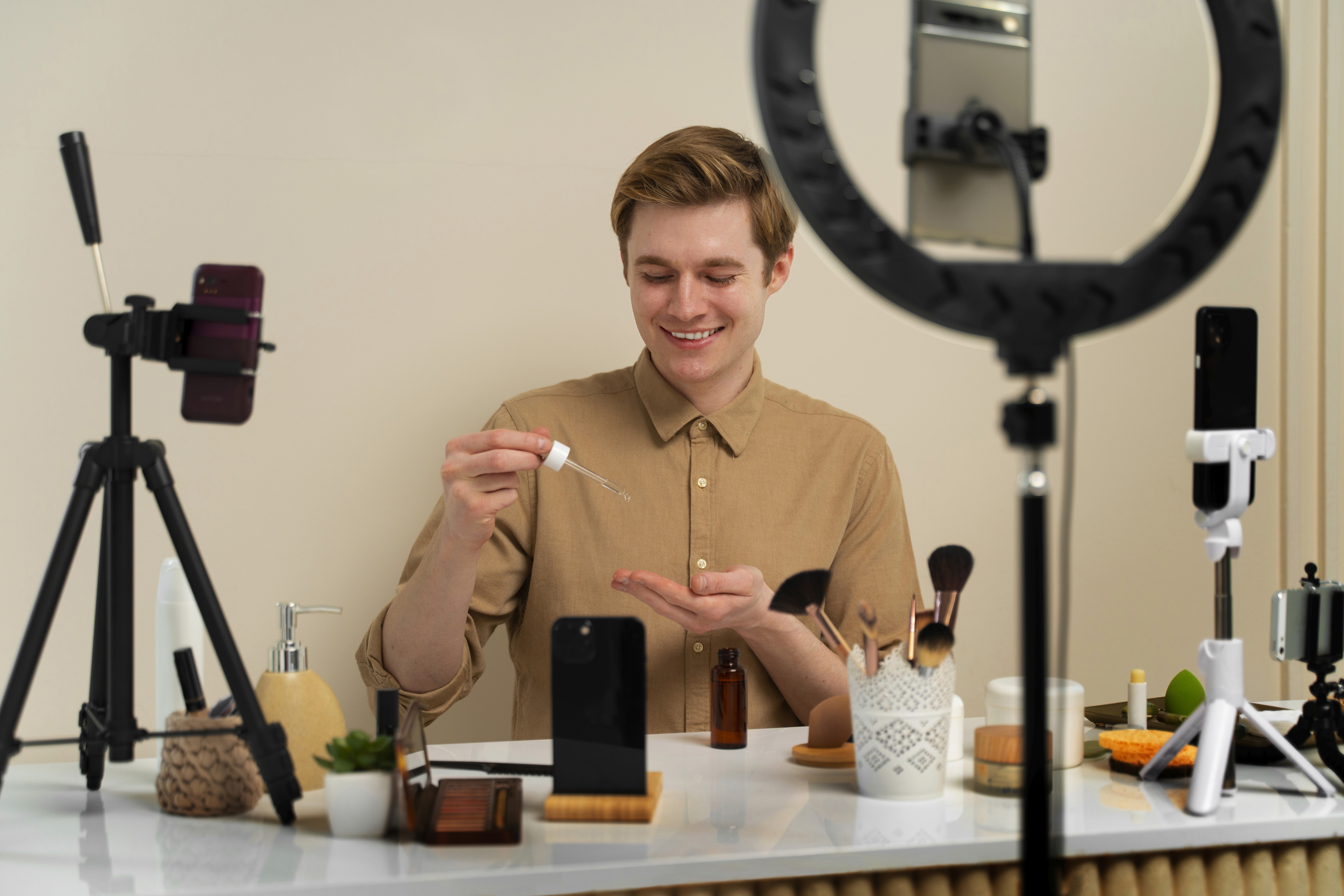
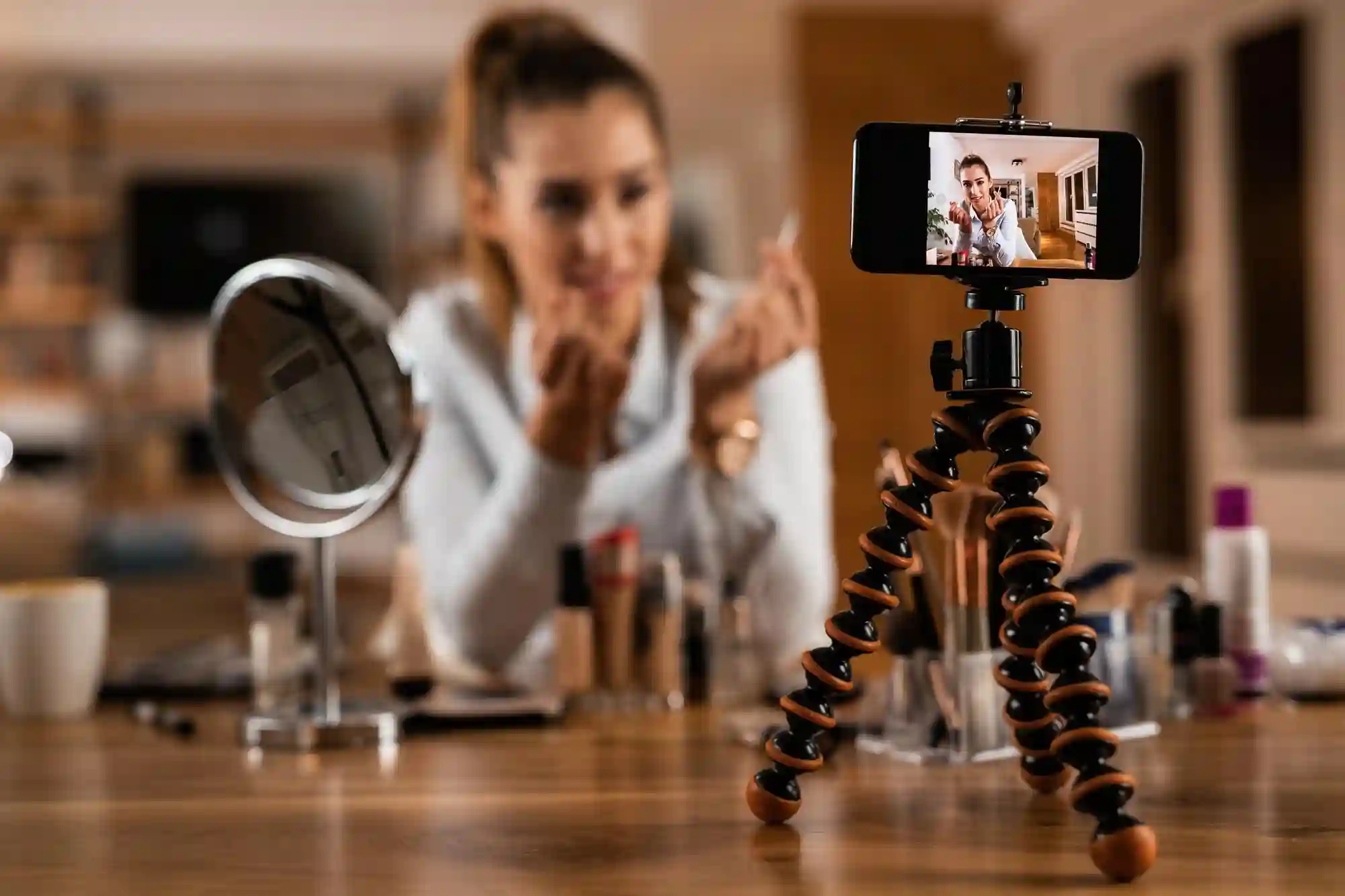
The breakthrough isn't live; it's looped. The winning format is the classic, 60-second short video. Creators demoing products, trying on clothes, and reviewing gadgets. It’s "see, like, buy" in its most frictionless form. The platform didn't just build a store; it integrated a "buy" button directly into the cultural zeitgeist. It's the ultimate "what you see is what you get" marketplace.
The Algorithm as the Ultimate Merchant
This entire ecosystem is impossible without AI. TikTok’s "For You Page" algorithm is the most powerful product discovery engine ever built. It doesn't wait for you to search for a "dust-mite-removing vacuum"; it knows you'll want one before you do and serves you a video of it in action.
This is the AIO (Artificial Intelligence Orchestration) layer in practice. The "Shop" is a seamless orchestration of three key elements:
Content: The viral video.
Data: Your (passive) viewing habits.
Logistics: The (frictionless) purchase funnel.
It's an AI-first model. While Amazon relies on static reviews and active search intent, TikTok uses its AI to create intent. It’s the difference between a digital catalog and a predictive cultural conversation. The failure of livestreaming is also an AI story: the model trained on Chinese consumer behavior simply does-not-compute for a US audience that prioritizes perceived authenticity over real-time spectacle.
What Brands Need to Understand
Video is the New Storefront: Static product images are dead. Brands must now think like creators. The "product demo" is no longer a boring tutorial; it's a 30-second viral-ready video.
Cultural Context is King: You cannot simply import a strategy. The US market rejected the high-pressure, celebrity-driven "variety show" livestream. Success here is about relatable, short-form content.
The Funnel Has Collapsed: Discovery and conversion are now the same step. The friction between seeing a product and owning it has been reduced to a single tap. If your checkout process has more than two steps, you've already lost.
Amazon is Vulnerable on Discovery: Amazon competes on logistics and search. TikTok competes on discovery and culture. The article's anecdote of a user buying a product on Amazon before seeing a better one on TikTok—and then returning the Amazon purchase—is a critical warning shot to all traditional ecommerce.
The Future of Commerce
TikTok has proven that the future of ecommerce isn't a better search bar or faster shipping. It’s an AI that knows what you want to buy before you do, wrapped in a culture you can't stop watching.
Also Read:

TikTok Shop hits eBay-level scale on the back of short videos, not livestreams. A deep dive into cultural commerce and the limits of AI models.
Social Commerce Conquered America. Just Not How TikTok Planned.
While Washington remains locked in a never-ending debate over bans and tariffs, TikTok has been quietly building a new empire. The platform's ecommerce arm, TikTok Shop, just pulled in an estimated $19 billion globally in a single quarter.
In the United States, its largest market, sales hit $4.5 billion, a staggering 125% jump from the previous quarter.
To put that number in perspective: TikTok Shop, which only officially launched in the US in September 2023, is already operating at the same scale as eBay, the 30-year-old incumbent that saw $20.1 billion in sales.
The growth is remarkable, and it's happening by completely ignoring the political noise. But the how is the real story, and it reveals a deep truth about the difference between American and Chinese consumer culture.
Deeper Insight
TikTok Shop's US success is not a simple "lift and shift" of its Chinese model (Douyin). In fact, the strategy that made Douyin a commerce titan—livestream shopping—is a massive flop in America.
In China, livestream ecommerce accounts for nearly 50% of all Douyin traffic. In the US, it's a minuscule 2%.
Americans, it turns out, are not interested in a vertical-screen QVC. The content is described as "boring" and lacks the celebrity-driven, variety-show spectacle that defines Chinese livestreams. As one analyst noted, you won't see Taylor Swift selling facemasks on a TikTok live.
The breakthrough isn't live; it's looped. The winning format is the classic, 60-second short video. Creators demoing products, trying on clothes, and reviewing gadgets. It’s "see, like, buy" in its most frictionless form. The platform didn't just build a store; it integrated a "buy" button directly into the cultural zeitgeist. It's the ultimate "what you see is what you get" marketplace.
The Algorithm as the Ultimate Merchant
This entire ecosystem is impossible without AI. TikTok’s "For You Page" algorithm is the most powerful product discovery engine ever built. It doesn't wait for you to search for a "dust-mite-removing vacuum"; it knows you'll want one before you do and serves you a video of it in action.
This is the AIO (Artificial Intelligence Orchestration) layer in practice. The "Shop" is a seamless orchestration of three key elements:
Content: The viral video.
Data: Your (passive) viewing habits.
Logistics: The (frictionless) purchase funnel.
It's an AI-first model. While Amazon relies on static reviews and active search intent, TikTok uses its AI to create intent. It’s the difference between a digital catalog and a predictive cultural conversation. The failure of livestreaming is also an AI story: the model trained on Chinese consumer behavior simply does-not-compute for a US audience that prioritizes perceived authenticity over real-time spectacle.
What Brands Need to Understand
Video is the New Storefront: Static product images are dead. Brands must now think like creators. The "product demo" is no longer a boring tutorial; it's a 30-second viral-ready video.
Cultural Context is King: You cannot simply import a strategy. The US market rejected the high-pressure, celebrity-driven "variety show" livestream. Success here is about relatable, short-form content.
The Funnel Has Collapsed: Discovery and conversion are now the same step. The friction between seeing a product and owning it has been reduced to a single tap. If your checkout process has more than two steps, you've already lost.
Amazon is Vulnerable on Discovery: Amazon competes on logistics and search. TikTok competes on discovery and culture. The article's anecdote of a user buying a product on Amazon before seeing a better one on TikTok—and then returning the Amazon purchase—is a critical warning shot to all traditional ecommerce.
The Future of Commerce
TikTok has proven that the future of ecommerce isn't a better search bar or faster shipping. It’s an AI that knows what you want to buy before you do, wrapped in a culture you can't stop watching.
Also Read:
Other Blogs
Other Blogs
Check our other project Blogs with useful insight and information for your businesses

Other Blogs
Other Blogs
Check our other project Blogs with useful insight and information for your businesses