November 24, 2025
TikTok Shop: The New Engine of Impulse Buying
November 24, 2025
TikTok Shop: The New Engine of Impulse Buying
TikTok Shop has transformed the app from entertainment to an endless 24/7 mall. Here’s how the algorithm is engineering a new era of impulse commerce.
TikTok Shop is No Longer Just a Feature, It’s the Entire Product
The Mall That Never Closes
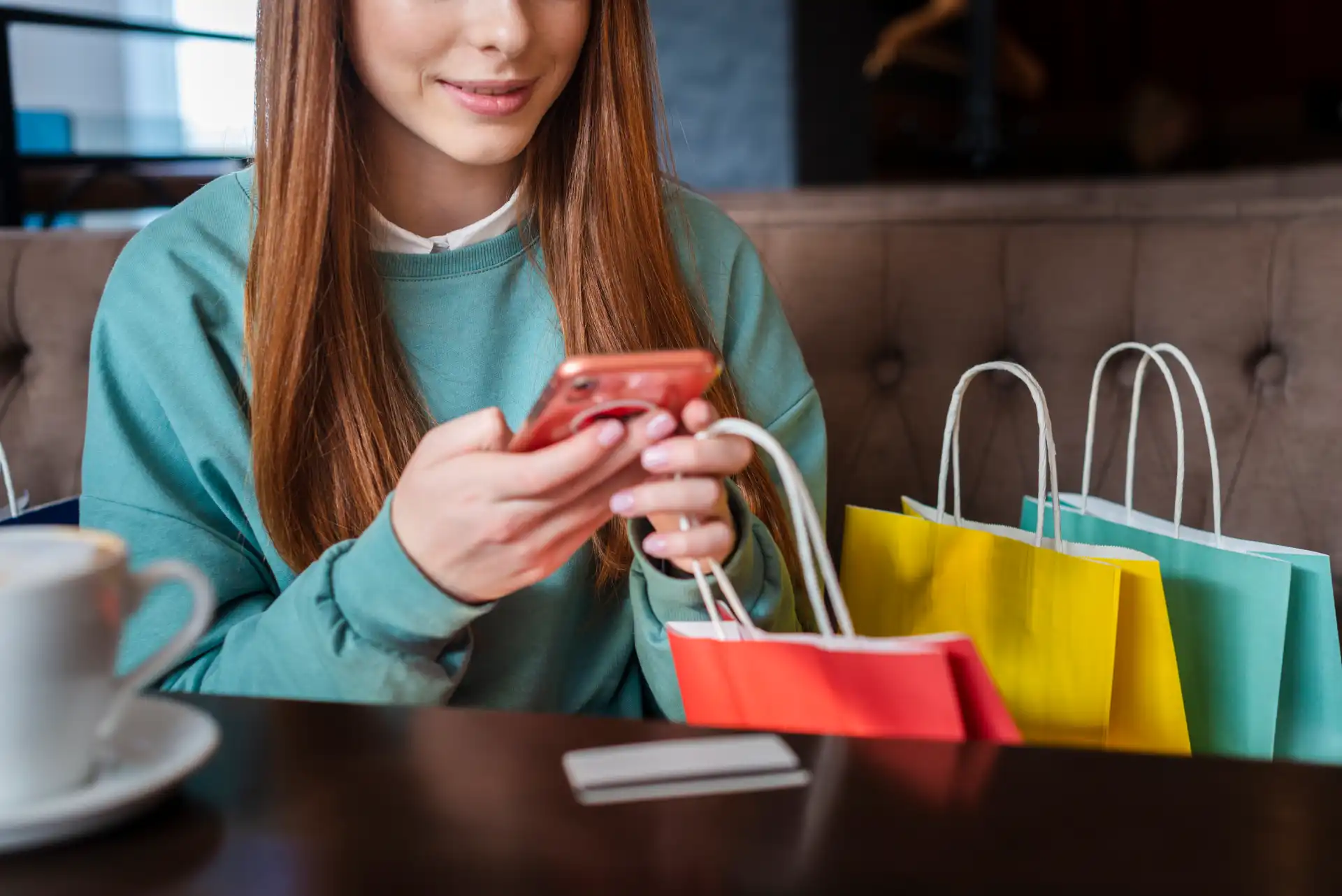
We have all experienced the specific micro-disappointment of modern scrolling: you find a video that feels authentic, engaging, or relatable, only to spot the small gray text in the corner revealing it is an ad. This isn't an accident; it is the new architecture of the platform. What started as a hub for creativity and dance challenges has mutated into a $24/7 shopping mall that lives in your pocket.
Since launching in the U.S. in 2023, TikTok Shop has aggressively shortened the distance between "content" and "commerce." The integration was swift and total. Shop carousels now dominate the "For You Page," and creators have pivoted en masse to attaching product links to livestreams and videos to earn affiliate commissions. The result is a friction-free cycle of temptation where viewers are converted into customers without ever leaving the app.
According to AP News, TikTok Shop generated billions in gross merchandise volume in its first year alone, with tens of millions of Americans making purchases. The platform has successfully engineered impulse buying into its core code, turning entertainment into just another transaction vector.
The Death of Discovery and the Rise of "Ambient Shopping"
This shift represents a fundamental change in how digital culture consumes products. We are moving away from "search-based" shopping (where you go to Amazon to find a specific item) toward "ambient shopping," where consumption is the background noise of your digital life.
The dominance of low-value categories—beauty, clothing, and accessories typically ranging from $7 to $20—is by design. These price points are low enough to bypass critical thinking, encouraging micro-spending and repeat purchases. The result is a homogenization of culture, particularly on college campuses where "viral" products like sweaters become unintentional uniforms.
However, the cost of this commercialization is the degradation of the user experience. The line between a genuine recommendation and a paid advertisement has blurred to the point of invisibility. Creators are feeling the pressure, too. With traditional brand deals drying up, TikTok Shop offers a faster, albeit more cynical, route to income. As micro-influencer Kat Angel noted, the platform's incentives make opting out feel economically unrealistic, turning creators into nonstop pitchers rather than artists.
The AI Layer: Algorithmic Engineering of Desire
While the storefront is visible, the real engine driving TikTok Shop is the invisible orchestration of AI. The platform isn't just showing you products; it is using deep learning to predict exactly what will trigger a purchase.
Hyper-Personalized Conversion
Every time a user purchases a product, they are training the algorithm. This data generates hyper-personalized recommendations that go far beyond standard demographic targeting. The AI doesn't just know what you like to watch; it knows what you are statistically most likely to buy at 11:00 PM on a Tuesday.
The Prioritization of Commerce
The algorithm now prioritizes Shop content more aggressively than organic content. Videos containing product links receive prime placement and longer shelf lives because the platform’s profit model relies on transaction fees. This is a clear example of an AIO (Artificial Intelligence Orchestration) system where the primary objective function has shifted from "time spent" to "gross merchandise value."
Interface Psychology
Layered on top of these algorithmic choices is automated interface psychology. Scarcity warnings ("only 7 left"), countdown timers, and free-shipping prompts are deployed dynamically to trigger urgency. This isn't just marketing; it is automated behavioral modification at scale.
Strategic Implications for the Creator Economy
For brands and businesses, TikTok Shop’s dominance forces a re-evaluation of social strategy. The era of purely organic reach is effectively over, replaced by a "pay-to-play" or "sell-to-play" environment.
The Pivot for Micro-Influencers:
Vogue Business reports that TikTok has actively recruited thousands of micro-influencers to push Shop items. For creators, the future is less about building a "personal brand" and more about becoming a high-volume affiliate retailer.Transparency Issues:
With labels like "eligible for commission" blending into the UI, consumer trust is becoming fragile. Brands that prioritize clear, honest disclosures may find a competitive advantage as user fatigue with "hidden ads" grows.The Quality Control Crisis:
Because many viral items originate from low-cost manufacturers, product quality varies dramatically. Brands engaging with TikTok Shop must be wary of being associated with the "digital dollar store" aesthetic that is currently permeating the platform.Ad Saturation:
Brands can now boost posts or sponsor creators through internal marketplaces, making ads nearly indistinguishable from organic content. While effective in the short term, this risks long-term audience alienation.
The Bottom Line
TikTok Shop proves that if you make the checkout button accessible enough, you don't need to sell a product—you just need to sell the dopamine hit of acquiring it.
Also Read:


TikTok Shop has transformed the app from entertainment to an endless 24/7 mall. Here’s how the algorithm is engineering a new era of impulse commerce.
TikTok Shop is No Longer Just a Feature, It’s the Entire Product
The Mall That Never Closes
We have all experienced the specific micro-disappointment of modern scrolling: you find a video that feels authentic, engaging, or relatable, only to spot the small gray text in the corner revealing it is an ad. This isn't an accident; it is the new architecture of the platform. What started as a hub for creativity and dance challenges has mutated into a $24/7 shopping mall that lives in your pocket.
Since launching in the U.S. in 2023, TikTok Shop has aggressively shortened the distance between "content" and "commerce." The integration was swift and total. Shop carousels now dominate the "For You Page," and creators have pivoted en masse to attaching product links to livestreams and videos to earn affiliate commissions. The result is a friction-free cycle of temptation where viewers are converted into customers without ever leaving the app.
According to AP News, TikTok Shop generated billions in gross merchandise volume in its first year alone, with tens of millions of Americans making purchases. The platform has successfully engineered impulse buying into its core code, turning entertainment into just another transaction vector.
The Death of Discovery and the Rise of "Ambient Shopping"
This shift represents a fundamental change in how digital culture consumes products. We are moving away from "search-based" shopping (where you go to Amazon to find a specific item) toward "ambient shopping," where consumption is the background noise of your digital life.
The dominance of low-value categories—beauty, clothing, and accessories typically ranging from $7 to $20—is by design. These price points are low enough to bypass critical thinking, encouraging micro-spending and repeat purchases. The result is a homogenization of culture, particularly on college campuses where "viral" products like sweaters become unintentional uniforms.
However, the cost of this commercialization is the degradation of the user experience. The line between a genuine recommendation and a paid advertisement has blurred to the point of invisibility. Creators are feeling the pressure, too. With traditional brand deals drying up, TikTok Shop offers a faster, albeit more cynical, route to income. As micro-influencer Kat Angel noted, the platform's incentives make opting out feel economically unrealistic, turning creators into nonstop pitchers rather than artists.
The AI Layer: Algorithmic Engineering of Desire
While the storefront is visible, the real engine driving TikTok Shop is the invisible orchestration of AI. The platform isn't just showing you products; it is using deep learning to predict exactly what will trigger a purchase.
Hyper-Personalized Conversion
Every time a user purchases a product, they are training the algorithm. This data generates hyper-personalized recommendations that go far beyond standard demographic targeting. The AI doesn't just know what you like to watch; it knows what you are statistically most likely to buy at 11:00 PM on a Tuesday.
The Prioritization of Commerce
The algorithm now prioritizes Shop content more aggressively than organic content. Videos containing product links receive prime placement and longer shelf lives because the platform’s profit model relies on transaction fees. This is a clear example of an AIO (Artificial Intelligence Orchestration) system where the primary objective function has shifted from "time spent" to "gross merchandise value."
Interface Psychology
Layered on top of these algorithmic choices is automated interface psychology. Scarcity warnings ("only 7 left"), countdown timers, and free-shipping prompts are deployed dynamically to trigger urgency. This isn't just marketing; it is automated behavioral modification at scale.
Strategic Implications for the Creator Economy
For brands and businesses, TikTok Shop’s dominance forces a re-evaluation of social strategy. The era of purely organic reach is effectively over, replaced by a "pay-to-play" or "sell-to-play" environment.
The Pivot for Micro-Influencers:
Vogue Business reports that TikTok has actively recruited thousands of micro-influencers to push Shop items. For creators, the future is less about building a "personal brand" and more about becoming a high-volume affiliate retailer.Transparency Issues:
With labels like "eligible for commission" blending into the UI, consumer trust is becoming fragile. Brands that prioritize clear, honest disclosures may find a competitive advantage as user fatigue with "hidden ads" grows.The Quality Control Crisis:
Because many viral items originate from low-cost manufacturers, product quality varies dramatically. Brands engaging with TikTok Shop must be wary of being associated with the "digital dollar store" aesthetic that is currently permeating the platform.Ad Saturation:
Brands can now boost posts or sponsor creators through internal marketplaces, making ads nearly indistinguishable from organic content. While effective in the short term, this risks long-term audience alienation.
The Bottom Line
TikTok Shop proves that if you make the checkout button accessible enough, you don't need to sell a product—you just need to sell the dopamine hit of acquiring it.
Also Read:
Other Blogs
Other Blogs
Check our other project Blogs with useful insight and information for your businesses

Other Blogs
Other Blogs
Check our other project Blogs with useful insight and information for your businesses