January 31, 2026
TikTok U.S. Drama Isn’t Finished
January 31, 2026
TikTok U.S. Drama Isn’t Finished
The U.S. TikTok saga has new phases ahead — geopolitical scrutiny, algorithm politics, and AI-linked regulatory firestorms shape its next chapter.
Opening Hook / Context — The Next Act of TikTok’s U.S. Drama
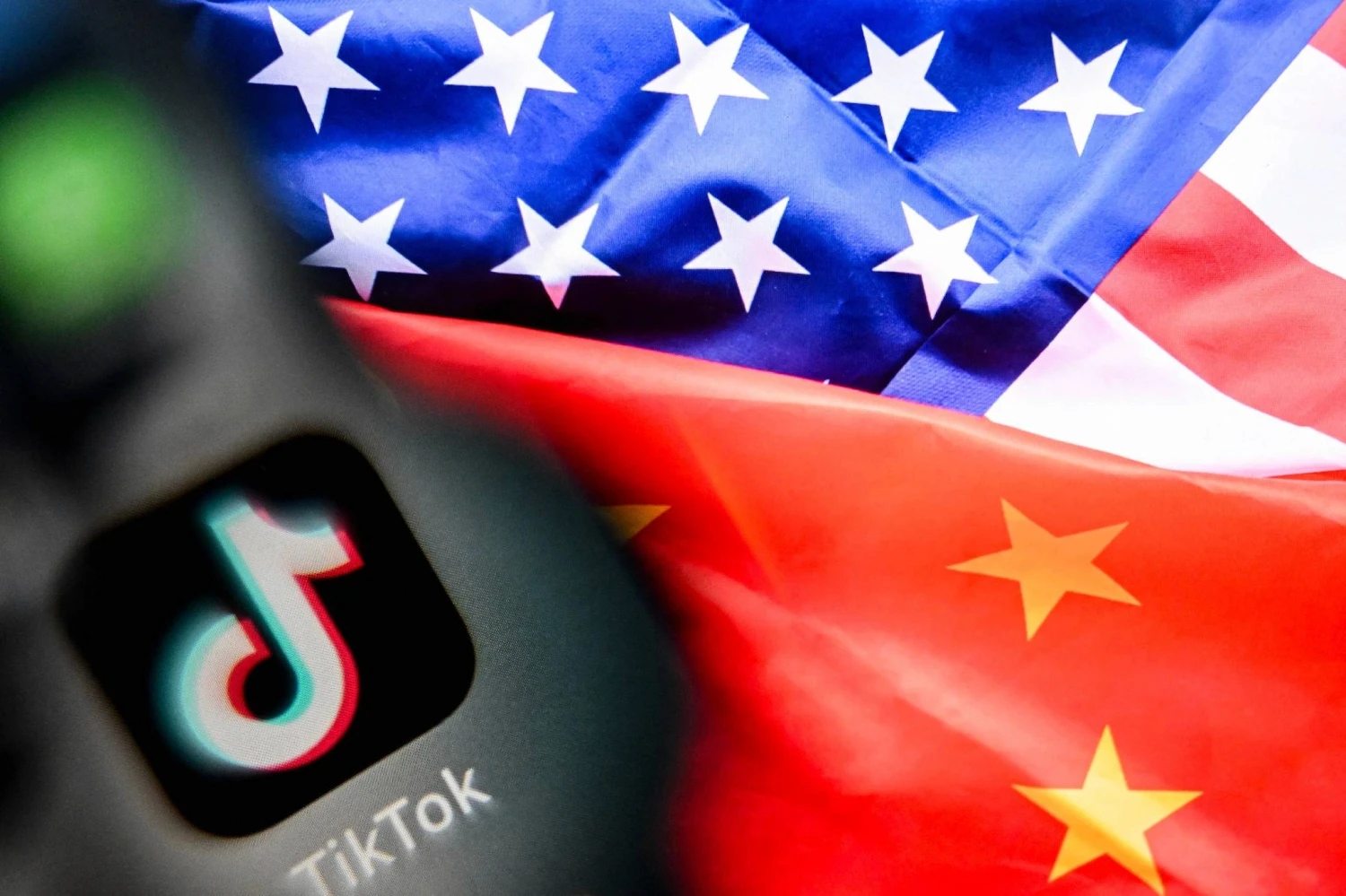
When TikTok and the U.S. government finally inked a deal to keep the app operating stateside, many declared the long-running drama resolved. That assumption is premature.
The saga that once threatened to remove one of the world’s most influential social platforms from 170 million American screens has entered a new chapter — one defined not by a single legislative deadline or a headline-grabbing shutdown, but by an evolving dance between geopolitics, national security anxieties, and shifting digital power structures that look nothing like the status quo.
The de jure threat of a ban may have been averted with the creation of TikTok USDS Joint Venture LLC — a majority-American entity designed to sidestep earlier national security restrictions — but in reality, that institutional pivot is just the beginning of a far more complex story about tech sovereignty, algorithm politics, and data governance in a world where digital platforms double as geopolitical leverage points.
Deeper Insight / Trend Connection — Beyond Divest or Ban
The headlines in early 2026 suggested closure: TikTok is no longer technically “Chinese” in the U.S., and the platform has been reorganized under a majority-American board with investors like Oracle, Silver Lake, and MGX leading the charge.
But that conclusion misses the deeper structural tensions at play.
This conflict was never just about ownership. It was — and remains — about algorithmic influence, global data flows, and the political economy of social platforms in an era of strategic competition between great powers.
From Washington’s perspective, TikTok’s recommendation engine isn’t merely software. It’s an AI-driven cultural amplifier that shapes discourse, consumption habits, and even political sentiment across tens of millions of feeds daily. And that makes it a flashpoint in broader digital sovereignty debates that extend from North America to Asia and Europe.
Put another way: TikTok’s U.S. restructure didn’t end the saga — it repurposed it into a more enduring contest over who gets to govern algorithmic influence in an increasingly AI-mediated public sphere.
AI + AIO Layer — Algorithms at the Heart of the Conflict
What makes this moment distinct from earlier tech policy battles is the centrality of artificial intelligence and automated recommendation systems.
TikTok’s “For You” feed is nothing less than an AI engine optimized to predict, delight, and retain attention. That engine — trained on troves of behavioral data and continuously refined by machine learning models — has become a contested asset precisely because of how powerfully it shapes media consumption patterns.
The hostile regulatory rhetoric of recent years did not focus on UI features or app design. It focused on access, influence, and data governance. Behind every national security argument is a fear of a foreign-curated AI engine shaping what millions of citizens see — and how they think about politics, culture, and commerce.
Even now, the joint venture structure that underpins TikTok’s U.S. future depends on retraining and operationalizing that same recommendation algorithm within a new governance framework. But retraining doesn’t neutralize the algorithm’s cultural power — it repositions it within a new geopolitical architecture.
This is where AI meets geopolitics: the platform’s engine is at once a business asset, a cultural distribution mechanism, and a key node in global data geopolitics.
The AIO layer here isn’t about automation in isolation. It’s about intelligence orchestration across regulatory and geopolitical fault lines. Governments, platforms, and AI models are now co-designing the future of public digital interaction.
Strategic or Industry Implications — What Comes Next
The “TikTok saga” now looks less like a legal closure and more like a multi-stage transformation. For brands, creators, and digital strategists, this has real consequences:
• Algorithmic governance is the new battleground.
No platform — especially those powered by machine learning — will be judged solely on features. Its data flows, training regimes, and governance structures will shape its political and commercial legitimacy globally.
• Regulatory frameworks will prioritize control over influence, not just data.
Expect future policy debates to revolve around algorithmic transparency, AI auditing regimes, and even “AI sovereignty” frameworks that treat recommendation models as critical infrastructure.
• Creators and marketers must think globally, politically, and technically.
Your content’s reach will be shaped not just by engagement metrics but by shifting norms in cross-border platform governance.
• Platforms are liabilities and assets in equal measure.
Ownership structure matters less than operational architecture. Who controls the data pipelines? Who vets the models? Who governs the feedback loops? These are the new levers of influence in the AI age.
• AI literacy is now a competitive edge.
Not just for engineers, but for executives, creators, and policy professionals. Understanding how recommendation systems work — and how they are regulated — is fundamental to future-proof digital strategy.
The Bottom Line — TikTok Is a Proxy for the Future of Digital Power
TikTok’s U.S. story didn’t end with a deal. It shifted theaters.
This is not the last chapter of TikTok in America — it is the opening act of a new play about algorithmic sovereignty, AI governance, and the politics of influential technologies.
In the age of intelligence orchestration, the shape of a platform matters as much as its content.
The real question isn’t whether TikTok survives. It’s how its AI engine evolves — and who gets to steer that evolution.
Also read:
The U.S. TikTok saga has new phases ahead — geopolitical scrutiny, algorithm politics, and AI-linked regulatory firestorms shape its next chapter.
Opening Hook / Context — The Next Act of TikTok’s U.S. Drama
When TikTok and the U.S. government finally inked a deal to keep the app operating stateside, many declared the long-running drama resolved. That assumption is premature.
The saga that once threatened to remove one of the world’s most influential social platforms from 170 million American screens has entered a new chapter — one defined not by a single legislative deadline or a headline-grabbing shutdown, but by an evolving dance between geopolitics, national security anxieties, and shifting digital power structures that look nothing like the status quo.
The de jure threat of a ban may have been averted with the creation of TikTok USDS Joint Venture LLC — a majority-American entity designed to sidestep earlier national security restrictions — but in reality, that institutional pivot is just the beginning of a far more complex story about tech sovereignty, algorithm politics, and data governance in a world where digital platforms double as geopolitical leverage points.
Deeper Insight / Trend Connection — Beyond Divest or Ban
The headlines in early 2026 suggested closure: TikTok is no longer technically “Chinese” in the U.S., and the platform has been reorganized under a majority-American board with investors like Oracle, Silver Lake, and MGX leading the charge.
But that conclusion misses the deeper structural tensions at play.
This conflict was never just about ownership. It was — and remains — about algorithmic influence, global data flows, and the political economy of social platforms in an era of strategic competition between great powers.
From Washington’s perspective, TikTok’s recommendation engine isn’t merely software. It’s an AI-driven cultural amplifier that shapes discourse, consumption habits, and even political sentiment across tens of millions of feeds daily. And that makes it a flashpoint in broader digital sovereignty debates that extend from North America to Asia and Europe.
Put another way: TikTok’s U.S. restructure didn’t end the saga — it repurposed it into a more enduring contest over who gets to govern algorithmic influence in an increasingly AI-mediated public sphere.
AI + AIO Layer — Algorithms at the Heart of the Conflict
What makes this moment distinct from earlier tech policy battles is the centrality of artificial intelligence and automated recommendation systems.
TikTok’s “For You” feed is nothing less than an AI engine optimized to predict, delight, and retain attention. That engine — trained on troves of behavioral data and continuously refined by machine learning models — has become a contested asset precisely because of how powerfully it shapes media consumption patterns.
The hostile regulatory rhetoric of recent years did not focus on UI features or app design. It focused on access, influence, and data governance. Behind every national security argument is a fear of a foreign-curated AI engine shaping what millions of citizens see — and how they think about politics, culture, and commerce.
Even now, the joint venture structure that underpins TikTok’s U.S. future depends on retraining and operationalizing that same recommendation algorithm within a new governance framework. But retraining doesn’t neutralize the algorithm’s cultural power — it repositions it within a new geopolitical architecture.
This is where AI meets geopolitics: the platform’s engine is at once a business asset, a cultural distribution mechanism, and a key node in global data geopolitics.
The AIO layer here isn’t about automation in isolation. It’s about intelligence orchestration across regulatory and geopolitical fault lines. Governments, platforms, and AI models are now co-designing the future of public digital interaction.
Strategic or Industry Implications — What Comes Next
The “TikTok saga” now looks less like a legal closure and more like a multi-stage transformation. For brands, creators, and digital strategists, this has real consequences:
• Algorithmic governance is the new battleground.
No platform — especially those powered by machine learning — will be judged solely on features. Its data flows, training regimes, and governance structures will shape its political and commercial legitimacy globally.
• Regulatory frameworks will prioritize control over influence, not just data.
Expect future policy debates to revolve around algorithmic transparency, AI auditing regimes, and even “AI sovereignty” frameworks that treat recommendation models as critical infrastructure.
• Creators and marketers must think globally, politically, and technically.
Your content’s reach will be shaped not just by engagement metrics but by shifting norms in cross-border platform governance.
• Platforms are liabilities and assets in equal measure.
Ownership structure matters less than operational architecture. Who controls the data pipelines? Who vets the models? Who governs the feedback loops? These are the new levers of influence in the AI age.
• AI literacy is now a competitive edge.
Not just for engineers, but for executives, creators, and policy professionals. Understanding how recommendation systems work — and how they are regulated — is fundamental to future-proof digital strategy.
The Bottom Line — TikTok Is a Proxy for the Future of Digital Power
TikTok’s U.S. story didn’t end with a deal. It shifted theaters.
This is not the last chapter of TikTok in America — it is the opening act of a new play about algorithmic sovereignty, AI governance, and the politics of influential technologies.
In the age of intelligence orchestration, the shape of a platform matters as much as its content.
The real question isn’t whether TikTok survives. It’s how its AI engine evolves — and who gets to steer that evolution.
Also read:
Other Blogs
Other Blogs
Check our other project Blogs with useful insight and information for your businesses



Other Blogs
Other Blogs
Check our other project Blogs with useful insight and information for your businesses