November 6, 2025
TikTok's $24B Pitch: Trust as a New Growth Metric
November 6, 2025
TikTok's $24B Pitch: Trust as a New Growth Metric
TikTok moves beyond vibes, framing trust and AI-driven safety as the core of its multi-billion dollar global economic impact. Here's the new map.
TikTok Talks Billions, Not Just Dances
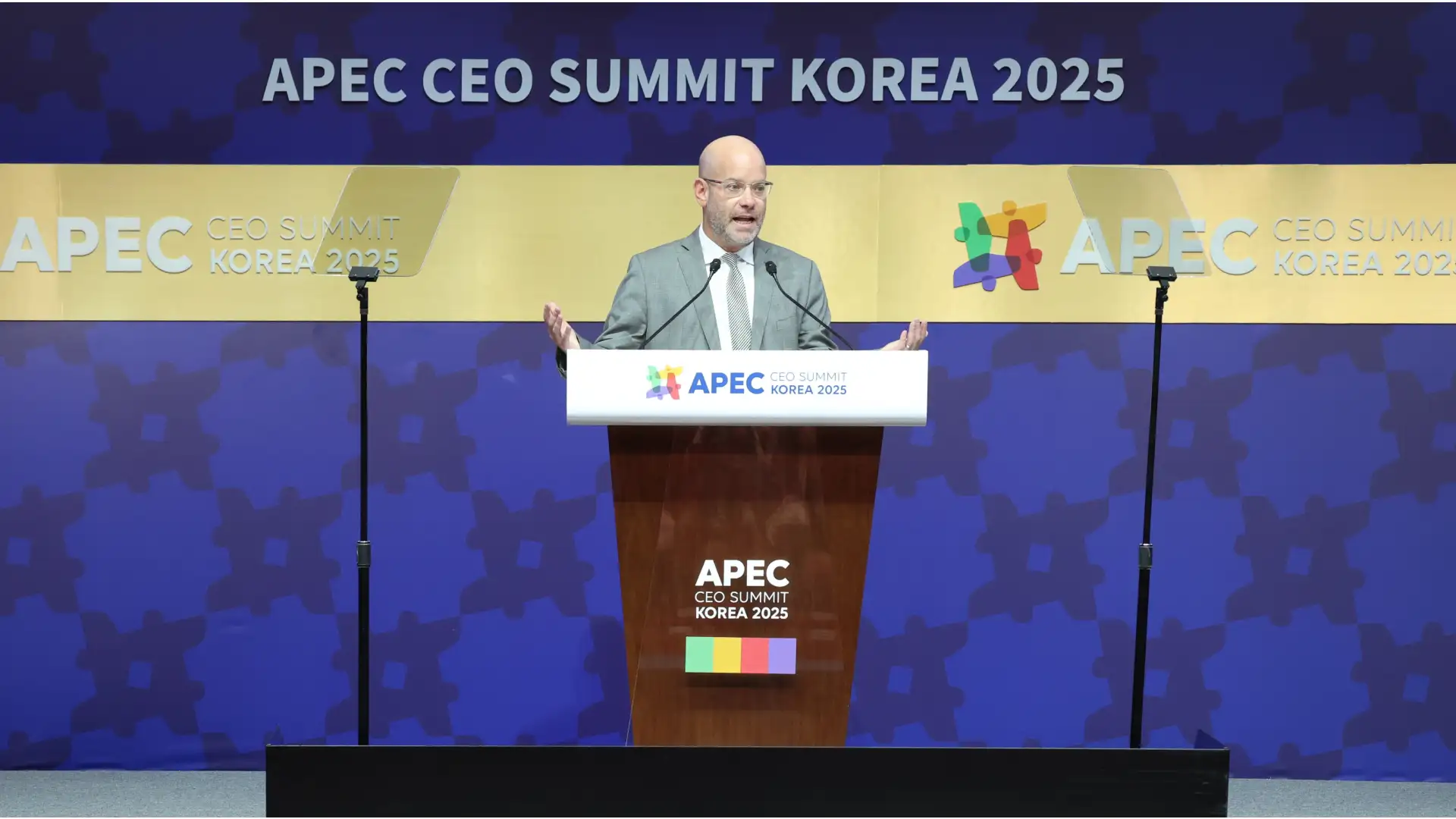
At the 2025 APEC CEO Summit in Korea, TikTok showed up with a new script. The company that built an empire on 15-second cultural moments is now talking in the language of global finance ministers. Armed with a deck of economic impact reports, TikTok laid out a case for its existence that revolves around a single, potent word: Trust.
This isn't just about feel-good community building. This is about cold, hard cash. The company is now actively quantifying its contribution to GDP—$24.2 billion in the U.S. (2023), $3 billion in Japan (2024), and €4.8 billion across five key European economies. This is a calculated pivot from cultural phenomenon to essential economic infrastructure. The message is clear: TikTok is no longer just a place for fun; it's a vital engine for growth.
The Rise of "Platform Statecraft"
We are witnessing the maturation of the digital economy into "Platform Statecraft." As social giants face global regulatory headwinds, their new strategy is to embed themselves so deeply into national economies that removing them would cause tangible, measurable economic pain.
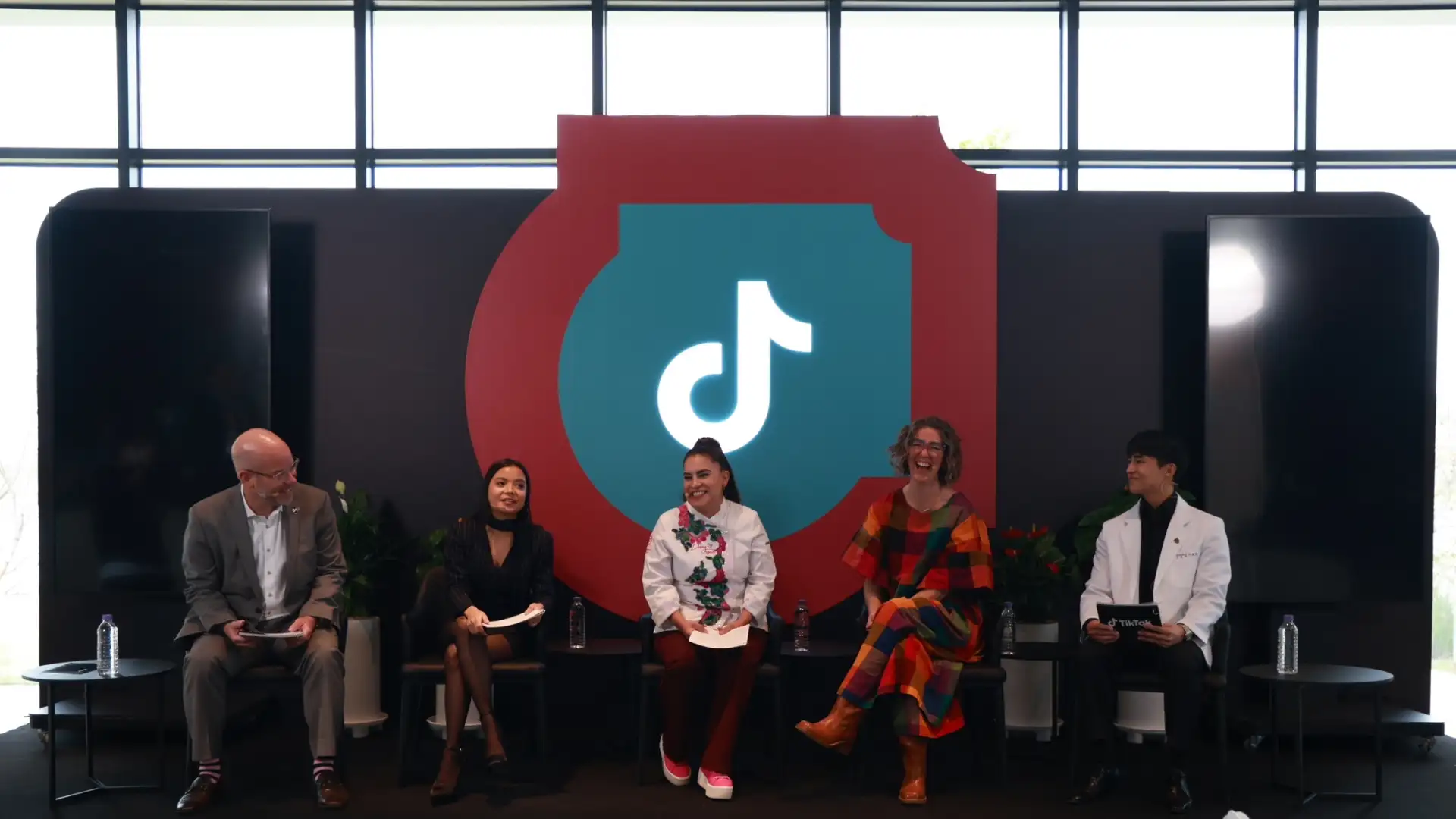
TikTok’s "Trust-Led Growth" narrative is the flagship of this strategy. It re-frames the conversation. The platform is no longer just a distribution channel; it is the marketplace, the educator, and the small business incubator for millions. We've moved past the "creator economy" as a side hustle. This is Creator Economy 2.0, where creators are "Change Makers"—like the Mexican pastry chef fueling home businesses or the single mother in the Philippines building a career on TikTok LIVE. The platform is arguing that this new economy can only function if all players—users, creators, brands, and governments—trust the ecosystem.
Proactive Safety, Automated Trust
How do you build and maintain trust for a global user base that numbers in the billions? You don't do it with human moderators alone. This is fundamentally an AI and orchestration challenge.
TikTok's entire trust framework is an exercise in AI-driven governance. When the company reports removing over 150 million videos in a single quarter—with 99% of them removed proactively and 90% pulled before a single view—it's showcasing its automated intelligence engine. This isn't just content moderation; it's predictive safety.
This is the AIO (AI Orchestration) layer in action. The "Family Pairing" tools, the algorithmic content filtering, and the explicit prohibition of hate speech are all managed by a complex system that must compute risk, cultural nuance, and user well-being in milliseconds. Trust is not a vague feeling; it's a computed, automated, and relentlessly optimized outcome. The platform's stability, and therefore its economic utility, depends entirely on the sophistication of this AI safety net.
Building the "Trust Moat"
This "trust-as-infrastructure" model has clear takeaways for anyone operating in the digital ecosystem.
For Brands: The barrier between content and commerce is officially gone. A Korean beauty brand ranking #1 on TikTok Shop U.S. isn't an anomaly; it's the new model. Consumer confidence, driven by platform safety (and partnerships like the anti-counterfeit Unreal Campaign), is now a direct driver of sales.
For Creators: The "Change Maker" designation is a signal. TikTok is prioritizing creators who build sustainable communities and commerce, not just chase one-off virality. Authenticity is the key, but a stable business model is the unlock.
For Regulators: TikTok is building a "trust moat." By proactively partnering with local non-profits like Korea's Blue Tree Foundation and pushing transparency reports, it's attempting to preempt heavy-handed regulation by proving it can govern itself effectively.
From Entertainment to Economic Utility
TikTok's APEC presentation signals its final evolution: it has transcended entertainment to become a core economic utility. It is now arguing that its AI-governed trust model isn't just a feature—it's the only architecture that makes a global, creator-led digital economy possible.
Also Read:
TikTok moves beyond vibes, framing trust and AI-driven safety as the core of its multi-billion dollar global economic impact. Here's the new map.
TikTok Talks Billions, Not Just Dances
At the 2025 APEC CEO Summit in Korea, TikTok showed up with a new script. The company that built an empire on 15-second cultural moments is now talking in the language of global finance ministers. Armed with a deck of economic impact reports, TikTok laid out a case for its existence that revolves around a single, potent word: Trust.
This isn't just about feel-good community building. This is about cold, hard cash. The company is now actively quantifying its contribution to GDP—$24.2 billion in the U.S. (2023), $3 billion in Japan (2024), and €4.8 billion across five key European economies. This is a calculated pivot from cultural phenomenon to essential economic infrastructure. The message is clear: TikTok is no longer just a place for fun; it's a vital engine for growth.
The Rise of "Platform Statecraft"
We are witnessing the maturation of the digital economy into "Platform Statecraft." As social giants face global regulatory headwinds, their new strategy is to embed themselves so deeply into national economies that removing them would cause tangible, measurable economic pain.
TikTok’s "Trust-Led Growth" narrative is the flagship of this strategy. It re-frames the conversation. The platform is no longer just a distribution channel; it is the marketplace, the educator, and the small business incubator for millions. We've moved past the "creator economy" as a side hustle. This is Creator Economy 2.0, where creators are "Change Makers"—like the Mexican pastry chef fueling home businesses or the single mother in the Philippines building a career on TikTok LIVE. The platform is arguing that this new economy can only function if all players—users, creators, brands, and governments—trust the ecosystem.
Proactive Safety, Automated Trust
How do you build and maintain trust for a global user base that numbers in the billions? You don't do it with human moderators alone. This is fundamentally an AI and orchestration challenge.
TikTok's entire trust framework is an exercise in AI-driven governance. When the company reports removing over 150 million videos in a single quarter—with 99% of them removed proactively and 90% pulled before a single view—it's showcasing its automated intelligence engine. This isn't just content moderation; it's predictive safety.
This is the AIO (AI Orchestration) layer in action. The "Family Pairing" tools, the algorithmic content filtering, and the explicit prohibition of hate speech are all managed by a complex system that must compute risk, cultural nuance, and user well-being in milliseconds. Trust is not a vague feeling; it's a computed, automated, and relentlessly optimized outcome. The platform's stability, and therefore its economic utility, depends entirely on the sophistication of this AI safety net.
Building the "Trust Moat"
This "trust-as-infrastructure" model has clear takeaways for anyone operating in the digital ecosystem.
For Brands: The barrier between content and commerce is officially gone. A Korean beauty brand ranking #1 on TikTok Shop U.S. isn't an anomaly; it's the new model. Consumer confidence, driven by platform safety (and partnerships like the anti-counterfeit Unreal Campaign), is now a direct driver of sales.
For Creators: The "Change Maker" designation is a signal. TikTok is prioritizing creators who build sustainable communities and commerce, not just chase one-off virality. Authenticity is the key, but a stable business model is the unlock.
For Regulators: TikTok is building a "trust moat." By proactively partnering with local non-profits like Korea's Blue Tree Foundation and pushing transparency reports, it's attempting to preempt heavy-handed regulation by proving it can govern itself effectively.
From Entertainment to Economic Utility
TikTok's APEC presentation signals its final evolution: it has transcended entertainment to become a core economic utility. It is now arguing that its AI-governed trust model isn't just a feature—it's the only architecture that makes a global, creator-led digital economy possible.
Also Read:
Other Blogs
Other Blogs
Check our other project Blogs with useful insight and information for your businesses

Other Blogs
Other Blogs
Check our other project Blogs with useful insight and information for your businesses