October 16, 2025
TikTok’s U.S. Deal at Risk as U.S.–China Tensions Rise
October 16, 2025
TikTok’s U.S. Deal at Risk as U.S.–China Tensions Rise
TikTok’s U.S. deal faces new uncertainty as U.S.–China tensions flare, leaving ByteDance’s divestment plan hanging in the balance.
TikTok’s U.S. Deal Faces New Uncertainty as U.S.–China Tensions Flare
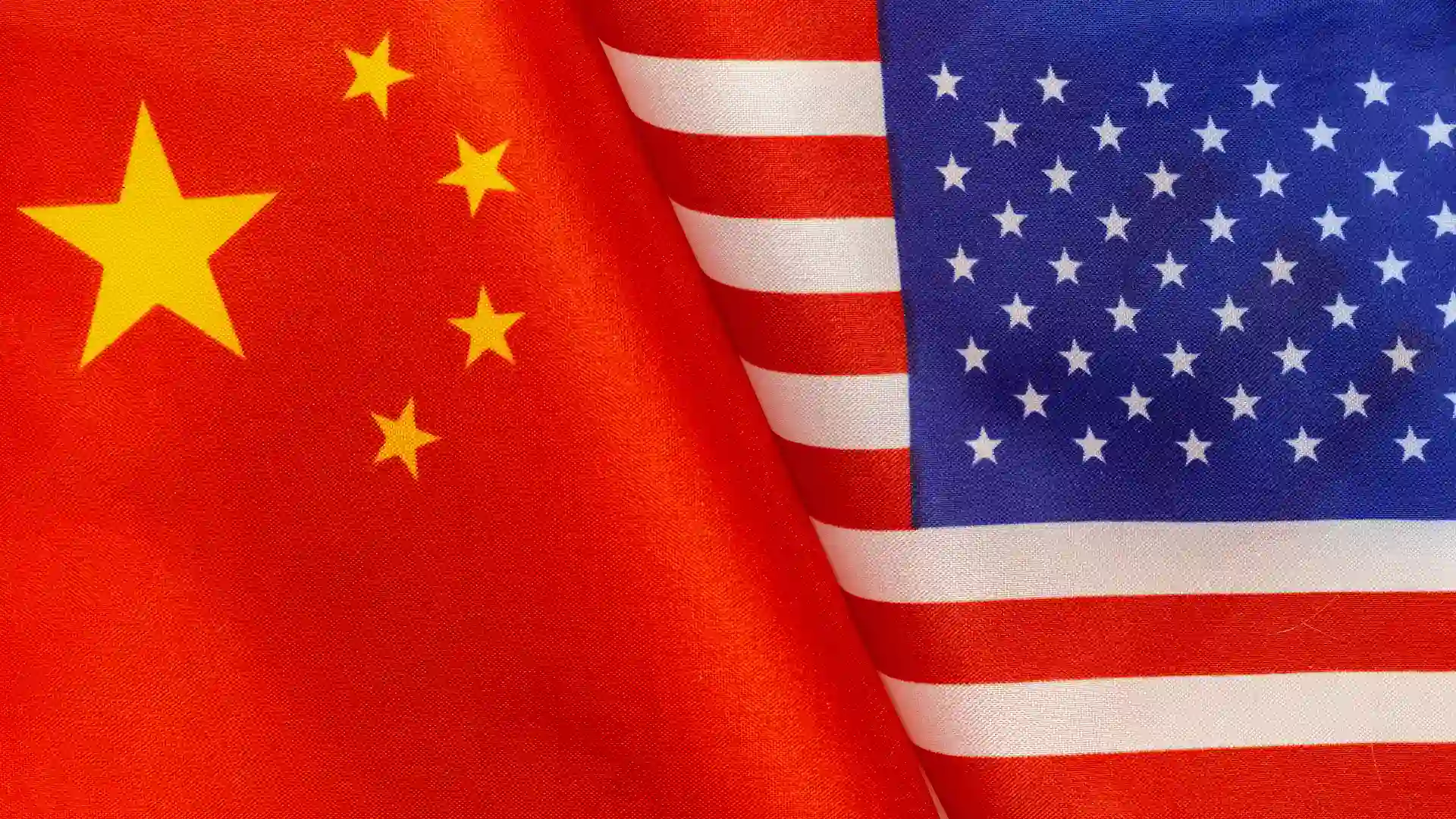
TikTok’s future in the United States — once looking cautiously optimistic — is once again on shaky ground. As trade tensions between Washington and Beijing heat up, analysts warn that ByteDance’s carefully structured divestment plan could crumble under renewed political pressure.
A Deal Caught Between Giants
Back in mid-September, a proposal surfaced that was supposed to end the years-long tug-of-war over TikTok’s U.S. operations. Under the plan, TikTok would operate through a U.S.-led consortium featuring Oracle and other American investors, while ByteDance, its Chinese parent, would retain a minority 20% stake.
The White House framed it as a “qualified divestiture” — a move to protect national security and ensure American user data stays onshore. But since then, the geopolitical climate has soured. China has tightened export controls on rare-earth materials, the U.S. has expanded its trade blacklist, and President Donald Trump has threatened new tariffs on Chinese imports of up to 100%.
The ripple effect? A deal once seen as a diplomatic compromise now risks becoming collateral damage in a larger economic feud.
Beijing’s Careful Silence
China’s Ministry of Foreign Affairs struck a notably cautious tone after a September 19 call between Trump and President Xi Jinping, saying it “respects the company’s wishes.” Analysts interpret this as a signal that Beijing is not yet ready to greenlight any ownership transfer — especially one that could be perceived as a concession under pressure.
As Mark Natkin of Marbridge Consulting noted, “The newest ramp-up of tensions will put an even bigger drag on the chances of winning Beijing’s approval.”
The December Deadline
Meanwhile, Washington hasn’t softened its stance. The U.S. government’s divestment deadline now falls on December 16, with an executive order specifying that control over TikTok’s algorithm, source code, and moderation practices would shift to a new U.S.-based entity.
With 170 million American users in limbo, a potential ban looms as a last-resort option. Some fear it could stifle free speech and disrupt a cultural ecosystem that TikTok has built over years.
Analysts Say: Fragile, But Still Breathing
Despite the turbulence, not everyone is ready to write off the deal. Analysts like Alfredo Montufar-Helu of GreenPoint Advisory believe both governments have too much to lose. “It’s more fragile than before,” he said, “but it’s still more likely than not that the deal will go on. Neither side wants this to escalate beyond repair.”
As talks continue behind closed doors, one thing is clear: TikTok’s fate may depend less on its algorithmic brilliance — and more on the uneasy balance of diplomacy, data, and dominance.
Zorilla Insight:
In digital commerce, platforms live or die by trust. TikTok’s journey shows how global brands must navigate policy, perception, and politics not just product and performance.
Looking to future-proof your own digital brand?
Zorilla Marketing helps businesses adapt to changing e-commerce and social trends with agile, insight-driven strategies. Let’s talk about what’s next for you.
Also read:
TikTok’s U.S. deal faces new uncertainty as U.S.–China tensions flare, leaving ByteDance’s divestment plan hanging in the balance.
TikTok’s U.S. Deal Faces New Uncertainty as U.S.–China Tensions Flare
TikTok’s future in the United States — once looking cautiously optimistic — is once again on shaky ground. As trade tensions between Washington and Beijing heat up, analysts warn that ByteDance’s carefully structured divestment plan could crumble under renewed political pressure.
A Deal Caught Between Giants
Back in mid-September, a proposal surfaced that was supposed to end the years-long tug-of-war over TikTok’s U.S. operations. Under the plan, TikTok would operate through a U.S.-led consortium featuring Oracle and other American investors, while ByteDance, its Chinese parent, would retain a minority 20% stake.
The White House framed it as a “qualified divestiture” — a move to protect national security and ensure American user data stays onshore. But since then, the geopolitical climate has soured. China has tightened export controls on rare-earth materials, the U.S. has expanded its trade blacklist, and President Donald Trump has threatened new tariffs on Chinese imports of up to 100%.
The ripple effect? A deal once seen as a diplomatic compromise now risks becoming collateral damage in a larger economic feud.
Beijing’s Careful Silence
China’s Ministry of Foreign Affairs struck a notably cautious tone after a September 19 call between Trump and President Xi Jinping, saying it “respects the company’s wishes.” Analysts interpret this as a signal that Beijing is not yet ready to greenlight any ownership transfer — especially one that could be perceived as a concession under pressure.
As Mark Natkin of Marbridge Consulting noted, “The newest ramp-up of tensions will put an even bigger drag on the chances of winning Beijing’s approval.”
The December Deadline
Meanwhile, Washington hasn’t softened its stance. The U.S. government’s divestment deadline now falls on December 16, with an executive order specifying that control over TikTok’s algorithm, source code, and moderation practices would shift to a new U.S.-based entity.
With 170 million American users in limbo, a potential ban looms as a last-resort option. Some fear it could stifle free speech and disrupt a cultural ecosystem that TikTok has built over years.
Analysts Say: Fragile, But Still Breathing
Despite the turbulence, not everyone is ready to write off the deal. Analysts like Alfredo Montufar-Helu of GreenPoint Advisory believe both governments have too much to lose. “It’s more fragile than before,” he said, “but it’s still more likely than not that the deal will go on. Neither side wants this to escalate beyond repair.”
As talks continue behind closed doors, one thing is clear: TikTok’s fate may depend less on its algorithmic brilliance — and more on the uneasy balance of diplomacy, data, and dominance.
Zorilla Insight:
In digital commerce, platforms live or die by trust. TikTok’s journey shows how global brands must navigate policy, perception, and politics not just product and performance.
Looking to future-proof your own digital brand?
Zorilla Marketing helps businesses adapt to changing e-commerce and social trends with agile, insight-driven strategies. Let’s talk about what’s next for you.
Also read:
Other Blogs
Other Blogs
Check our other project Blogs with useful insight and information for your businesses



Other Blogs
Other Blogs
Check our other project Blogs with useful insight and information for your businesses