
December 20, 2025
U.S. Investors Close TikTok Takeover Deal
December 20, 2025
U.S. Investors Close TikTok Takeover Deal
TikTok’s U.S. unit sale ends a five-year political battle — and reshapes how AI, data, and national security intersect on social platforms.
Opening Hook / Context
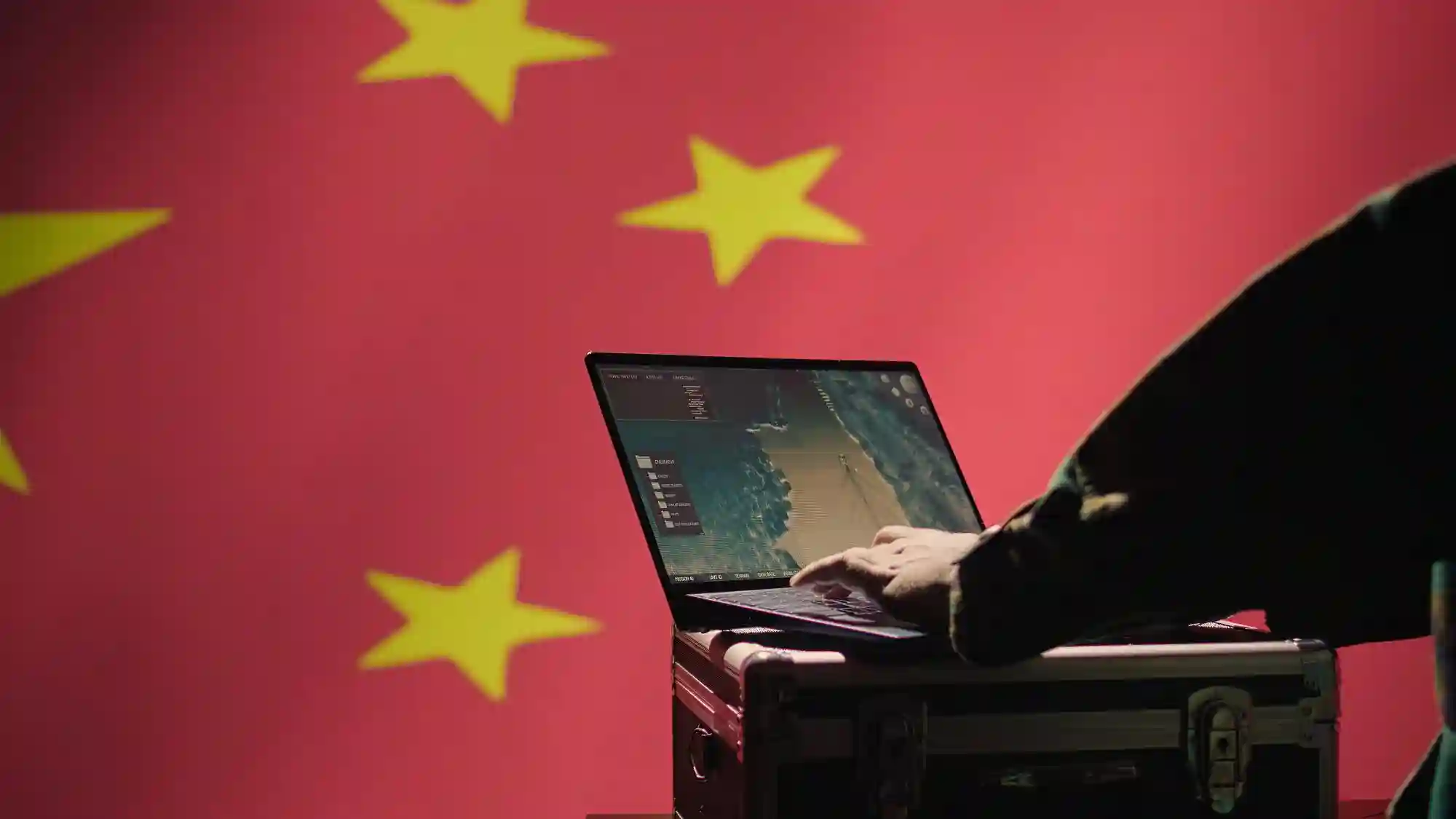
After years of political tug-of-war, regulatory brinkmanship, and national security drama, TikTok’s U.S. fate has pivoted from an imminent ban to a headline-grabbing restructure. ByteDance, the Chinese owner of the short-video giant, has signed binding agreements to hand control of TikTok’s U.S. operations to a consortium of American and allied global investors — a deal that both defuses the threat of a federal ban and recasts how major tech platforms navigate geopolitical scrutiny.
Under this new arrangement, Oracle, Silver Lake and Abu Dhabi’s MGX — among others — will take majority control of a freshly formed U.S. entity called TikTok USDS Joint Venture LLC, while ByteDance keeps a significant minority stake. The agreement is slated to close on January 22, 2026, concluding a saga that began with U.S. government demands to divest the app’s American arm or face prohibition.
The headline here isn’t just about ownership change. It’s about how global tech giants, geopolitical maneuvering, and data sovereignty debates have collided to reshape a platform that, for millions of Americans, defines youth culture, political discourse, and algorithmic engagement.
This isn’t merely a corporate transaction — it’s a structural reset of the social media era. Reuters+1
Deeper Insight / Trend Connection
TikTok’s sale isn’t an island event. It sits atop a series of tectonic shifts in how governments and corporations think about digital platforms — especially those defined by algorithmic recommendation engines and massive user-generated content ecosystems.
For half a decade, U.S. policymakers flagged concerns that TikTok’s Chinese ownership posed national security risks, especially around data access and potential influence operations. Laws were passed, executive deadlines issued and enforcement postponed — but the bottom line was always clear: if TikTok wanted to survive in the U.S., it would need to shed meaningful operational control from its Beijing-based parent.
The resulting deal blends commercial interests with state sovereignty concerns. American investors bring deep ties to cloud infrastructure, private equity and — crucially — security partnerships. Oracle will serve as the “trusted security partner,” overseeing U.S. user data and custodianship. The new U.S. JV will handle data protection, algorithm oversight, content moderation and software assurance — effectively localizing the tech stack that powers what users see and do on the platform.
At the same time, ByteDance still plays a commercial role, managing revenue-generating operations like advertising and e-commerce under separate arrangements. This hybrid ownership model speaks to a broader trend: global tech products are no longer governed solely by innovation or market share but by geopolitical risk, regulatory leverage and cultural influence. Investing.com+1
AI + AIO Layer
This deal marks a fascinating inflection point where AI systems, data sovereignty, and corporate governance converge.
At its core, TikTok is an algorithmic engine: AI-driven recommendation models that learn from user behavior to deliver addictive, personalized short-form content. The regulatory fear was not just data access but the possibility of foreign influence embedded through those models.
Under the new structure, the U.S. entity takes responsibility for retraining or re-validating the recommendation algorithm using exclusively U.S. data — a seismic shift from the globalized training pipelines that most social platforms rely on. Oracle isn’t just storing data; it’s anchoring the security layer that will govern how that data flows, how models update, and ultimately how content is surfaced to users.
This sets a precedent: the governance of AI systems that shape public discourse and cultural consumption can no longer be a peripheral concern. Instead, it must be architected into corporate structures when political risk intersects with digital influence. In practice, this could mean localized AI training environments, segmented data governance, and jurisdiction-tailored model oversight becoming standard for any platform with global reach.
For technologists and strategists, one takeaway is clear: future global products will need multi-jurisdictional intelligence orchestration (AIO) strategies — frameworks that ensure not just compliance but adaptability across political ecosystems.
Strategic or Industry Implications
Here’s what the TikTok U.S. sale means for brands, creators, and digital strategists — in operational terms:
For Creators:
Stability for audiences and monetization on what remains America’s most influential short-video stage.
A potential shift toward more U.S. infrastructure could change algorithm signals and engagement mechanics over time.
For Brands and Advertisers:
A more predictable regulatory landscape reduces risk in ad spend and audience planning.
Deeper control of U.S. data flows may unlock richer insights — but under tighter compliance guardrails.
For AI and Platform Designers:
AI training pipelines may need to be localized or segmented by jurisdiction.
Security partners (e.g., Oracle) could become mandatory in regulated markets.
For Global Tech Policy:
This deal becomes a template for how powerful platforms can satisfy national security concerns without full divestiture.
Governments will likely use it as a playbook for balancing economic benefit with data sovereignty.
For Investors and Competitors:
Market valuations of platform companies factoring in geopolitical risk may become standard.
Other social networks could preemptively redesign global operations to avoid similar regulatory friction.
The Bottom Line
TikTok’s U.S. restructuring is not just about keeping an app alive — it’s a blueprint for how AI-driven platforms must operate in a world where data is politics and algorithms are policy.
Also read:
TikTok’s U.S. unit sale ends a five-year political battle — and reshapes how AI, data, and national security intersect on social platforms.
Opening Hook / Context
After years of political tug-of-war, regulatory brinkmanship, and national security drama, TikTok’s U.S. fate has pivoted from an imminent ban to a headline-grabbing restructure. ByteDance, the Chinese owner of the short-video giant, has signed binding agreements to hand control of TikTok’s U.S. operations to a consortium of American and allied global investors — a deal that both defuses the threat of a federal ban and recasts how major tech platforms navigate geopolitical scrutiny.
Under this new arrangement, Oracle, Silver Lake and Abu Dhabi’s MGX — among others — will take majority control of a freshly formed U.S. entity called TikTok USDS Joint Venture LLC, while ByteDance keeps a significant minority stake. The agreement is slated to close on January 22, 2026, concluding a saga that began with U.S. government demands to divest the app’s American arm or face prohibition.
The headline here isn’t just about ownership change. It’s about how global tech giants, geopolitical maneuvering, and data sovereignty debates have collided to reshape a platform that, for millions of Americans, defines youth culture, political discourse, and algorithmic engagement.
This isn’t merely a corporate transaction — it’s a structural reset of the social media era. Reuters+1
Deeper Insight / Trend Connection
TikTok’s sale isn’t an island event. It sits atop a series of tectonic shifts in how governments and corporations think about digital platforms — especially those defined by algorithmic recommendation engines and massive user-generated content ecosystems.
For half a decade, U.S. policymakers flagged concerns that TikTok’s Chinese ownership posed national security risks, especially around data access and potential influence operations. Laws were passed, executive deadlines issued and enforcement postponed — but the bottom line was always clear: if TikTok wanted to survive in the U.S., it would need to shed meaningful operational control from its Beijing-based parent.
The resulting deal blends commercial interests with state sovereignty concerns. American investors bring deep ties to cloud infrastructure, private equity and — crucially — security partnerships. Oracle will serve as the “trusted security partner,” overseeing U.S. user data and custodianship. The new U.S. JV will handle data protection, algorithm oversight, content moderation and software assurance — effectively localizing the tech stack that powers what users see and do on the platform.
At the same time, ByteDance still plays a commercial role, managing revenue-generating operations like advertising and e-commerce under separate arrangements. This hybrid ownership model speaks to a broader trend: global tech products are no longer governed solely by innovation or market share but by geopolitical risk, regulatory leverage and cultural influence. Investing.com+1
AI + AIO Layer
This deal marks a fascinating inflection point where AI systems, data sovereignty, and corporate governance converge.
At its core, TikTok is an algorithmic engine: AI-driven recommendation models that learn from user behavior to deliver addictive, personalized short-form content. The regulatory fear was not just data access but the possibility of foreign influence embedded through those models.
Under the new structure, the U.S. entity takes responsibility for retraining or re-validating the recommendation algorithm using exclusively U.S. data — a seismic shift from the globalized training pipelines that most social platforms rely on. Oracle isn’t just storing data; it’s anchoring the security layer that will govern how that data flows, how models update, and ultimately how content is surfaced to users.
This sets a precedent: the governance of AI systems that shape public discourse and cultural consumption can no longer be a peripheral concern. Instead, it must be architected into corporate structures when political risk intersects with digital influence. In practice, this could mean localized AI training environments, segmented data governance, and jurisdiction-tailored model oversight becoming standard for any platform with global reach.
For technologists and strategists, one takeaway is clear: future global products will need multi-jurisdictional intelligence orchestration (AIO) strategies — frameworks that ensure not just compliance but adaptability across political ecosystems.
Strategic or Industry Implications
Here’s what the TikTok U.S. sale means for brands, creators, and digital strategists — in operational terms:
For Creators:
Stability for audiences and monetization on what remains America’s most influential short-video stage.
A potential shift toward more U.S. infrastructure could change algorithm signals and engagement mechanics over time.
For Brands and Advertisers:
A more predictable regulatory landscape reduces risk in ad spend and audience planning.
Deeper control of U.S. data flows may unlock richer insights — but under tighter compliance guardrails.
For AI and Platform Designers:
AI training pipelines may need to be localized or segmented by jurisdiction.
Security partners (e.g., Oracle) could become mandatory in regulated markets.
For Global Tech Policy:
This deal becomes a template for how powerful platforms can satisfy national security concerns without full divestiture.
Governments will likely use it as a playbook for balancing economic benefit with data sovereignty.
For Investors and Competitors:
Market valuations of platform companies factoring in geopolitical risk may become standard.
Other social networks could preemptively redesign global operations to avoid similar regulatory friction.
The Bottom Line
TikTok’s U.S. restructuring is not just about keeping an app alive — it’s a blueprint for how AI-driven platforms must operate in a world where data is politics and algorithms are policy.
Also read:
Other Blogs
Other Blogs
Check our other project Blogs with useful insight and information for your businesses



Other Blogs
Other Blogs
Check our other project Blogs with useful insight and information for your businesses