October 30, 2025
Walmart Store Closures Rumor on TikTok: What’s Really Happening
October 30, 2025
Walmart Store Closures Rumor on TikTok: What’s Really Happening
TikTok rumors claim Walmart will shut down on Nov. 1 due to SNAP cuts. Here’s what’s actually true — and what the viral panic says about AIO and attention.
The Viral Panic Economy
This week, TikTok didn’t just spread a trend — it spread fear.
Millions of views fueled rumors that Walmart would “lock its doors” on November 1, 2025, as SNAP benefits faced cuts during the ongoing U.S. government shutdown.
The videos — with over 1.7 million combined views — claimed that Walmart would only allow online orders and parking lot pickups, citing alleged threats of looting.
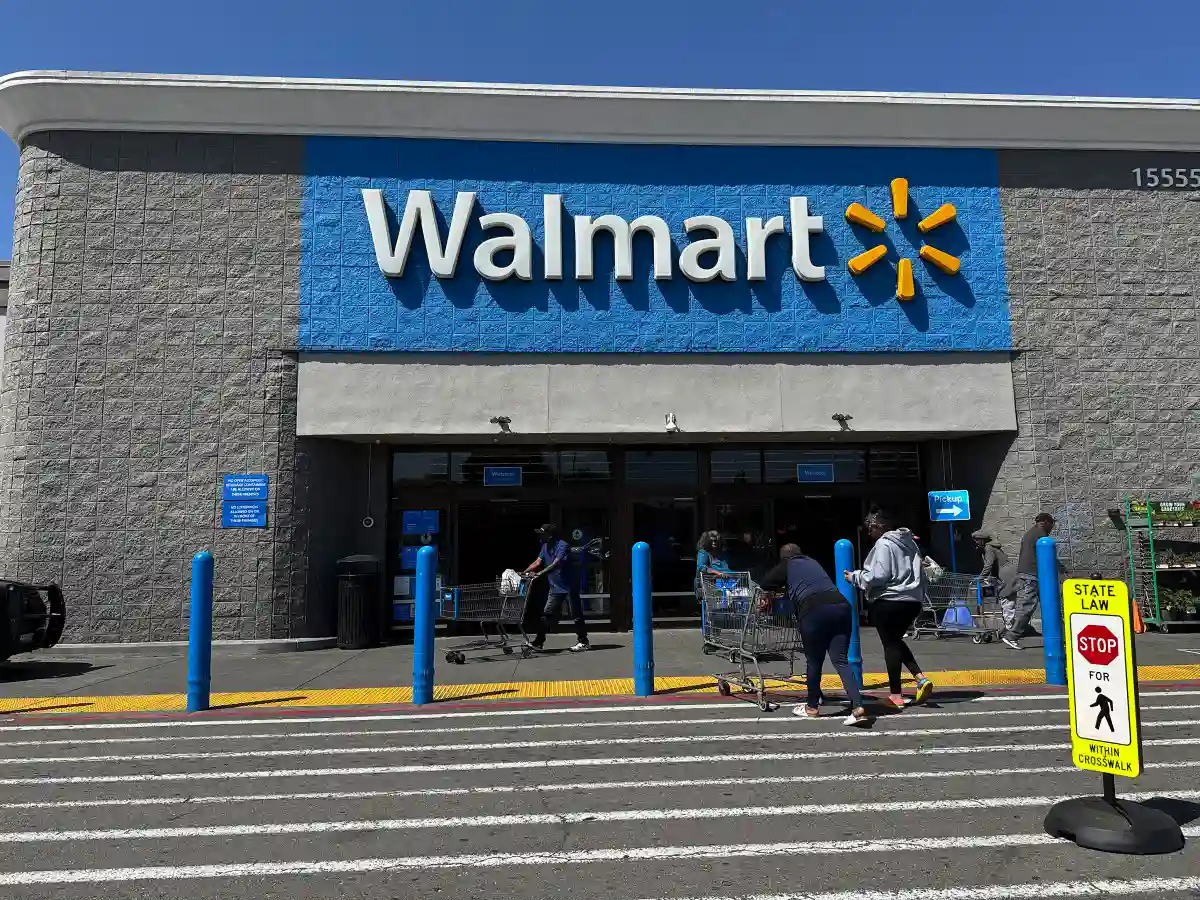
The truth? Walmart isn’t closing its doors.
A spokesperson confirmed that all stores will remain open and continue regular operations, calling the claims “completely false.”
But the episode reveals something far more interesting than a simple rumor: how TikTok’s algorithm has become a real-time amplifier of emotion, uncertainty, and attention.
How TikTok Turned a Rumor Into a Movement
Two creators — @uncutrealness and @kavellkavon — uploaded short clips claiming Walmart’s alleged “shutdown” was due to public threats tied to SNAP cuts. Within hours, millions of users stitched, dueted, and speculated.
The result? A feedback loop of algorithmic panic.
TikTok’s AI-driven recommendation system doesn’t fact-check — it optimizes for engagement. The more people commented or argued, the more the rumor spread.
This is the modern rumor mill: AIO (Artificial Intelligence + Orchestration) at work — amplifying content, orchestrating emotion, and distributing belief at scale.
AIO and the Architecture of Belief
AIO represents the next phase of media evolution — where algorithms don’t just serve content, they shape consensus.
TikTok’s feed doesn’t merely reflect what users think; it teaches them what to care about. In this case, it transformed fragmented fears about government benefits into a cohesive — but false — narrative about Walmart’s “shutdown.”
Platforms like TikTok now operate as attention infrastructures, not just entertainment channels. They orchestrate collective behavior through AI optimization loops — a dynamic that traditional institutions like Walmart, or even government agencies, struggle to keep up with.
Reality Check: Walmart and the SNAP Situation
While the rumor is false, the concern it exploited is real.
Due to the ongoing U.S. government shutdown, the USDA warned that SNAP benefits could be delayed or reduced if funding runs dry.
States like New York are already mobilizing emergency food relief — with Governor Kathy Hochul pledging $30 million to fund over 16 million meals.
Attorney General Letitia James and 24 other states have also filed a lawsuit against the USDA, demanding the release of contingency funds to prevent hunger during the shutdown.
So while Walmart isn’t closing, the anxiety that fueled the rumor has roots in real economic fear — and TikTok turned it into digital wildfire.
The Attention Economy Playbook
The Walmart episode highlights a core truth of the AIO era:
The strongest signal isn’t accuracy — it’s attention.
Brands, governments, and creators must adapt by mastering the same orchestration layer that drives virality. Three key lessons emerge:
Speed > Statements: Respond in real time before misinformation crystallizes.
Transparency as Strategy: Communicate updates where audiences live — on TikTok itself.
Algorithmic Literacy: Understand how engagement mechanics shape belief, not just behavior.
The Bottom Line
TikTok didn’t invent misinformation — it automated it.
The Walmart shutdown rumor is a case study in how AIO-powered systems can spin real social tension into viral fiction.
In this new world, truth travels slower than algorithms — unless you learn to speak their language.
The next frontier of communication isn’t about who’s right; it’s about who orchestrates attention best.
Also read:


TikTok rumors claim Walmart will shut down on Nov. 1 due to SNAP cuts. Here’s what’s actually true — and what the viral panic says about AIO and attention.
The Viral Panic Economy
This week, TikTok didn’t just spread a trend — it spread fear.
Millions of views fueled rumors that Walmart would “lock its doors” on November 1, 2025, as SNAP benefits faced cuts during the ongoing U.S. government shutdown.
The videos — with over 1.7 million combined views — claimed that Walmart would only allow online orders and parking lot pickups, citing alleged threats of looting.
The truth? Walmart isn’t closing its doors.
A spokesperson confirmed that all stores will remain open and continue regular operations, calling the claims “completely false.”
But the episode reveals something far more interesting than a simple rumor: how TikTok’s algorithm has become a real-time amplifier of emotion, uncertainty, and attention.
How TikTok Turned a Rumor Into a Movement
Two creators — @uncutrealness and @kavellkavon — uploaded short clips claiming Walmart’s alleged “shutdown” was due to public threats tied to SNAP cuts. Within hours, millions of users stitched, dueted, and speculated.
The result? A feedback loop of algorithmic panic.
TikTok’s AI-driven recommendation system doesn’t fact-check — it optimizes for engagement. The more people commented or argued, the more the rumor spread.
This is the modern rumor mill: AIO (Artificial Intelligence + Orchestration) at work — amplifying content, orchestrating emotion, and distributing belief at scale.
AIO and the Architecture of Belief
AIO represents the next phase of media evolution — where algorithms don’t just serve content, they shape consensus.
TikTok’s feed doesn’t merely reflect what users think; it teaches them what to care about. In this case, it transformed fragmented fears about government benefits into a cohesive — but false — narrative about Walmart’s “shutdown.”
Platforms like TikTok now operate as attention infrastructures, not just entertainment channels. They orchestrate collective behavior through AI optimization loops — a dynamic that traditional institutions like Walmart, or even government agencies, struggle to keep up with.
Reality Check: Walmart and the SNAP Situation
While the rumor is false, the concern it exploited is real.
Due to the ongoing U.S. government shutdown, the USDA warned that SNAP benefits could be delayed or reduced if funding runs dry.
States like New York are already mobilizing emergency food relief — with Governor Kathy Hochul pledging $30 million to fund over 16 million meals.
Attorney General Letitia James and 24 other states have also filed a lawsuit against the USDA, demanding the release of contingency funds to prevent hunger during the shutdown.
So while Walmart isn’t closing, the anxiety that fueled the rumor has roots in real economic fear — and TikTok turned it into digital wildfire.
The Attention Economy Playbook
The Walmart episode highlights a core truth of the AIO era:
The strongest signal isn’t accuracy — it’s attention.
Brands, governments, and creators must adapt by mastering the same orchestration layer that drives virality. Three key lessons emerge:
Speed > Statements: Respond in real time before misinformation crystallizes.
Transparency as Strategy: Communicate updates where audiences live — on TikTok itself.
Algorithmic Literacy: Understand how engagement mechanics shape belief, not just behavior.
The Bottom Line
TikTok didn’t invent misinformation — it automated it.
The Walmart shutdown rumor is a case study in how AIO-powered systems can spin real social tension into viral fiction.
In this new world, truth travels slower than algorithms — unless you learn to speak their language.
The next frontier of communication isn’t about who’s right; it’s about who orchestrates attention best.
Also read:
Other Blogs
Other Blogs
Check our other project Blogs with useful insight and information for your businesses



Other Blogs
Other Blogs
Check our other project Blogs with useful insight and information for your businesses