October 24, 2025
Biom Rebrands to Nobs After TikTok Success
October 24, 2025
Biom Rebrands to Nobs After TikTok Success
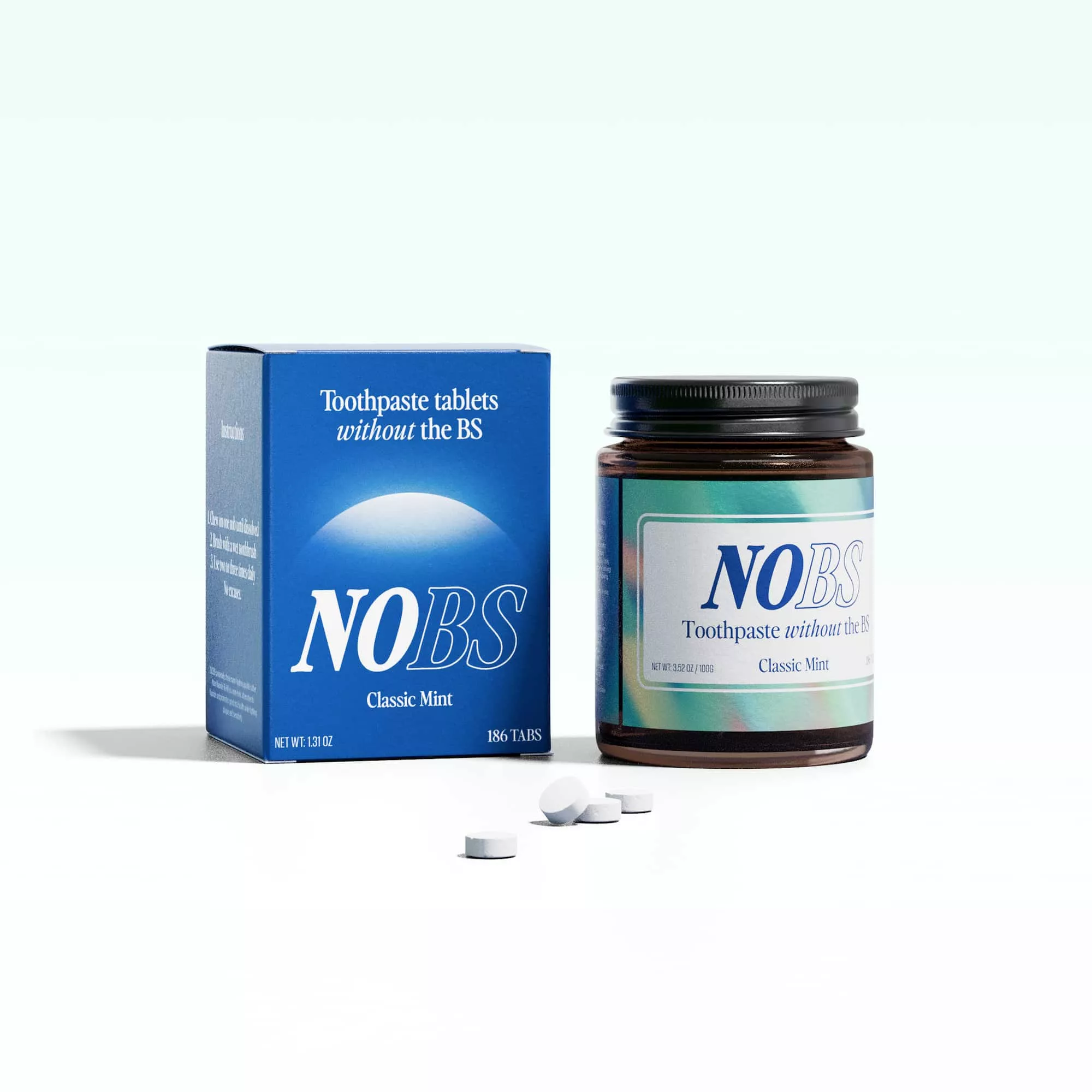
Viral oral-care company Biom rebrands to Nobs, its popular product name. It's a key case study in letting community data redefine brand strategy.
Biom Is Dead. Long Live Nobs, the Brand TikTok Built.
Your Customers Are Renaming You
When dentist-turned-entrepreneur Ilon Choai launched his oral-care company "Biom," the name was a thoughtful nod to the "oral microbiome." His viral product, a toothpaste tablet, was cleverly named "Nobs," an acronym for "No Bad Stuff."
But on TikTok, where the brand exploded via massive influencer seeding and viral videos, "Biom" was irrelevant. Everyone—from creators to customers—just called it Nobs.
After hitting 80% growth in 2024 and selling over 10,000 units on TikTok Shop, the company just made the change official. They dropped Biom and fully rebranded to Nobs. The leadership team braced for a "tsunami of confusion." Instead, the feedback was a collective, "Finally." As Choai put it, "We had no idea it was such a no-brainer."
The Audience Is the New Brand Director
This isn't just a CPG rebrand; it's a case study in the Community-as-Brand-Director trend.
For decades, branding was a top-down, broadcast-style exercise. A firm would invent an identity and spend millions to push it onto the market. Nobs illustrates the reverse. In the chaotic, user-driven ecosystem of social commerce, the market finds its own name for you.
The "Nobs" name—edgy, simple, and transparent ("No Bad Stuff")—had far more cultural velocity than the more scientific "Biom." The company's leadership didn't arrive at this conclusion in a boardroom. They confirmed it by looking at Google search data. Everyone was searching for "Nobs toothpaste tablets," not "Biom."
The rebrand wasn't an act of creation. It was an act of acceptance. The brand already existed; the company was just catching up.
Listening to the Signal
How does a company "listen" to its community at scale? This is the AI and intelligence orchestration layer.
Nobs' "no-brainer" decision was validated by passive data analysis. Google's search algorithm, in this sense, acted as a massive, real-time focus group, revealing true customer intent. This is a foundational form of intelligence orchestration (AIO): letting distributed data signals, rather than internal bias, drive core strategy.
A modern brand's nervous system isn't its marketing team; it's the AI-powered tools that synthesize unstructured data. AI-driven social listening, sentiment analysis, and search trend trackers are no longer just for measuring brand health. They are for discovering brand identity.
Nobs didn't need to commission an expensive study to find its true name. Its audience, amplified by algorithms on TikTok and Google, was shouting it at them. The company just had to plug in and listen.
What This Means for Brands
This move provides a clear playbook for modern CPG and e-commerce brands.
Your Product Is Your Brand. In a discovery-first environment like TikTok Shop, a sticky, memorable product name ("Nobs") will always beat a complex corporate name ("Biom"). The handle is the brand.
Search Data Is Your New Focus Group. Stop treating Google Search Console and TikTok search analytics as just SEO tools. They are the most direct, unfiltered window into what your customers actually think and how they actually talk about you.
Rebranding Is a Utility, Not a Silver Bullet. Nobs spent a year and significant capital on the mechanics of this change: clearing IP, designing new packaging, and launching a new domain. As experts note, this doesn't magically supercharge sales. It removes friction and aligns the brand with a reality that already exists.
Plan for the Technical Debt. A rebrand, even a logical one, creates signal loss. Nobs saw an initial dip in web traffic from the URL change and had to retrain loyal fans who used the old "Biom" logo to spot counterfeits. Any identity shift requires a plan to manage the digital transition.
The Bottom Line
Brands used to be built like cathedrals, meticulously designed from the top down. Today, they are grown like cities—chaotic, community-led, and defined by the paths their users carve. The smartest companies just pave the roads.
Also read:
Viral oral-care company Biom rebrands to Nobs, its popular product name. It's a key case study in letting community data redefine brand strategy.
Biom Is Dead. Long Live Nobs, the Brand TikTok Built.
Your Customers Are Renaming You
When dentist-turned-entrepreneur Ilon Choai launched his oral-care company "Biom," the name was a thoughtful nod to the "oral microbiome." His viral product, a toothpaste tablet, was cleverly named "Nobs," an acronym for "No Bad Stuff."
But on TikTok, where the brand exploded via massive influencer seeding and viral videos, "Biom" was irrelevant. Everyone—from creators to customers—just called it Nobs.
After hitting 80% growth in 2024 and selling over 10,000 units on TikTok Shop, the company just made the change official. They dropped Biom and fully rebranded to Nobs. The leadership team braced for a "tsunami of confusion." Instead, the feedback was a collective, "Finally." As Choai put it, "We had no idea it was such a no-brainer."
The Audience Is the New Brand Director
This isn't just a CPG rebrand; it's a case study in the Community-as-Brand-Director trend.
For decades, branding was a top-down, broadcast-style exercise. A firm would invent an identity and spend millions to push it onto the market. Nobs illustrates the reverse. In the chaotic, user-driven ecosystem of social commerce, the market finds its own name for you.
The "Nobs" name—edgy, simple, and transparent ("No Bad Stuff")—had far more cultural velocity than the more scientific "Biom." The company's leadership didn't arrive at this conclusion in a boardroom. They confirmed it by looking at Google search data. Everyone was searching for "Nobs toothpaste tablets," not "Biom."
The rebrand wasn't an act of creation. It was an act of acceptance. The brand already existed; the company was just catching up.
Listening to the Signal
How does a company "listen" to its community at scale? This is the AI and intelligence orchestration layer.
Nobs' "no-brainer" decision was validated by passive data analysis. Google's search algorithm, in this sense, acted as a massive, real-time focus group, revealing true customer intent. This is a foundational form of intelligence orchestration (AIO): letting distributed data signals, rather than internal bias, drive core strategy.
A modern brand's nervous system isn't its marketing team; it's the AI-powered tools that synthesize unstructured data. AI-driven social listening, sentiment analysis, and search trend trackers are no longer just for measuring brand health. They are for discovering brand identity.
Nobs didn't need to commission an expensive study to find its true name. Its audience, amplified by algorithms on TikTok and Google, was shouting it at them. The company just had to plug in and listen.
What This Means for Brands
This move provides a clear playbook for modern CPG and e-commerce brands.
Your Product Is Your Brand. In a discovery-first environment like TikTok Shop, a sticky, memorable product name ("Nobs") will always beat a complex corporate name ("Biom"). The handle is the brand.
Search Data Is Your New Focus Group. Stop treating Google Search Console and TikTok search analytics as just SEO tools. They are the most direct, unfiltered window into what your customers actually think and how they actually talk about you.
Rebranding Is a Utility, Not a Silver Bullet. Nobs spent a year and significant capital on the mechanics of this change: clearing IP, designing new packaging, and launching a new domain. As experts note, this doesn't magically supercharge sales. It removes friction and aligns the brand with a reality that already exists.
Plan for the Technical Debt. A rebrand, even a logical one, creates signal loss. Nobs saw an initial dip in web traffic from the URL change and had to retrain loyal fans who used the old "Biom" logo to spot counterfeits. Any identity shift requires a plan to manage the digital transition.
The Bottom Line
Brands used to be built like cathedrals, meticulously designed from the top down. Today, they are grown like cities—chaotic, community-led, and defined by the paths their users carve. The smartest companies just pave the roads.
Also read:
Other Blogs
Other Blogs
Check our other project Blogs with useful insight and information for your businesses

Other Blogs
Other Blogs
Check our other project Blogs with useful insight and information for your businesses