October 27, 2025
Radiohead TikTok Hit Shows Algorithm Beats Band
October 27, 2025
Radiohead TikTok Hit Shows Algorithm Beats Band
Radiohead’s 1997 track 'Let Down' is charting thanks to TikTok. It's a key signal of algorithmic culture replacing curated hits.
Radiohead’s TikTok Revival Proves the Algorithm Knows Better Than the Band
The Anatomy of a Viral Ghost
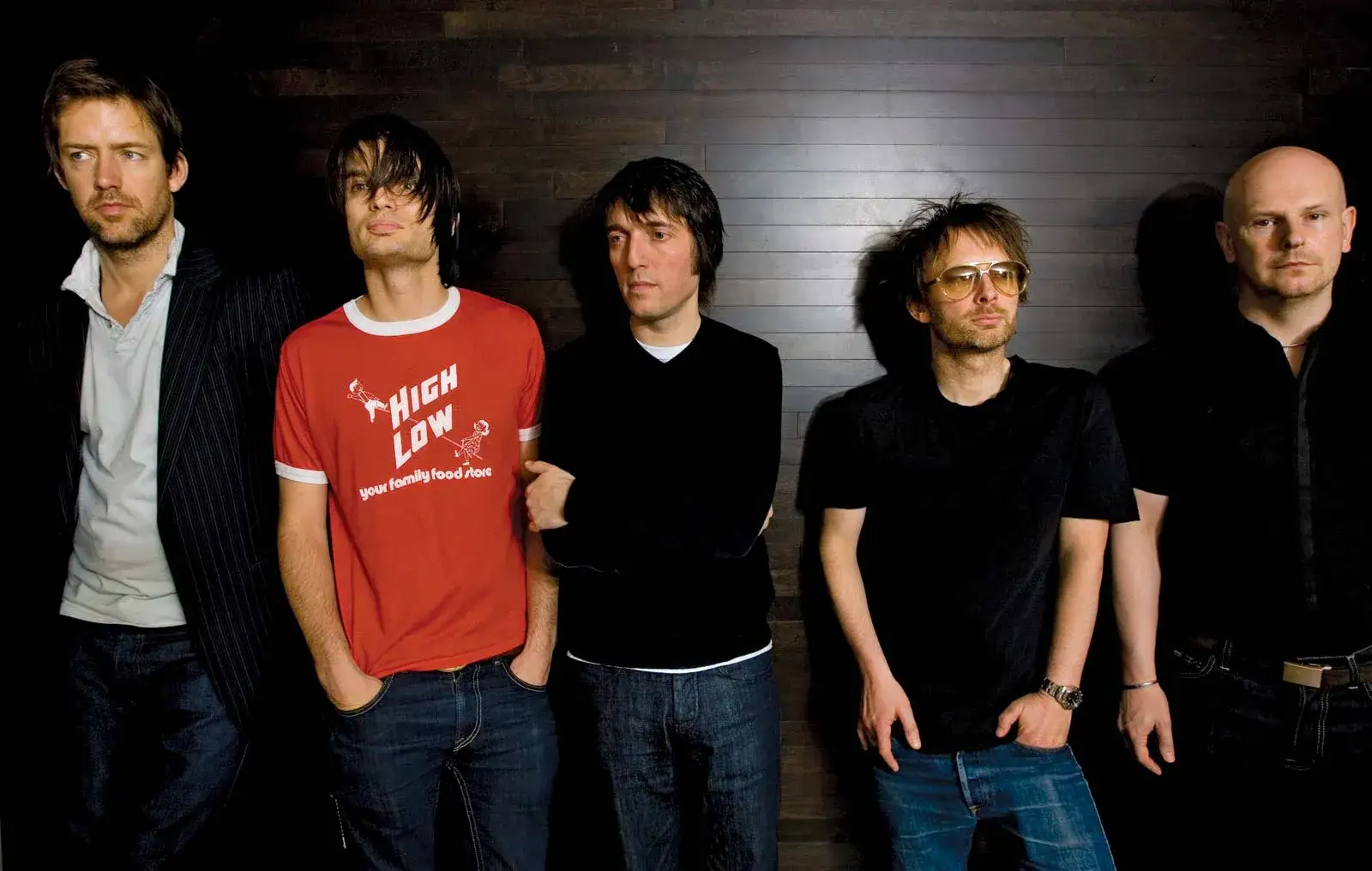
The machine that mints new trends has picked its latest, and most unlikely, winner: Radiohead. The band's 1997 song "Let Down"— a deep cut that frontman Thom Yorke famously fought to have removed from the seminal OK Computer album—is now a certified viral hit. Twenty-eight years after its release, the track stormed America's Billboard Hot 100 in August, propelled entirely by a TikTok trend.
The band's reaction? Complete bewilderment. Yorke called the resurgence "especially bizarre," noting he was overruled by guitarist Ed O’Brien, who insisted the song stay. O'Brien, for his part, was equally "astonished" by the song's new life, forcing him to ask his teenage kids for an explanation. Their answer was brutally direct: "What do you expect? Teenagers are depressed. It’s depressing music!"
Emotional Matching Over Marketing
This isn't a case of simple nostalgia. The users driving this trend weren't born when OK Computer was released. This is a powerful demonstration of emotional-utility matching. O'Brien's kids cut straight to the core of modern content discovery: the "vibe" is the new demographic.
The TikTok trend isn't about Radiohead the brand, or the 1997 marketing push for OK Computer. It's about the isolated utility of the song's audio as a soundtrack for a specific feeling. The platform's culture decoupled the song from its original context and repurposed it as a tool for expressing a modern mood. The "depressing music" found its perfect audience, just three decades late.
The AI as A&R
This event is a perfect case study in the "AI meets culture" framework. The music industry's old gatekeepers—label execs, radio DJs, and even the artists themselves—are being bypassed by a far more efficient system. TikTok's recommendation engine is now the most powerful A&R (Artists and Repertoire) executive on the planet.
This is an act of AI-driven cultural excavation. The algorithm doesn't care about release dates, marketing budgets, or which track was anointed "the single." It only measures engagement. It runs billions of micro-tests, matching audio snippets against user behavior until it finds a winning combination. "Let Down" won this data-driven audition. This is intelligence orchestration (AIO) in its purest form: a system coordinating a dormant cultural asset (a 1997 B-side) with a new, receptive market (Gen Z) to generate massive impact, all without human intervention.
Strategic or Industry Implications
This incident is more than a funny anecdote; it’s a strategic directive for any brand, label, or creator. The old rules of promotion are officially dead.
Your Back Catalogue is an Active Goldmine: Every old song, video clip, or piece of ad copy is no longer in an archive. It is active inventory, waiting for the right algorithmic match to deploy it to a new audience.
The Artist vs. The Algorithm: Thom Yorke, a creative genius, was commercially wrong about "Let Down." The algorithm, focused purely on data, was right. This creates a new tension between artistic intent and algorithmic discovery.
Vibe is the New Vertical: Marketing departments obsessed with demographics are missing the point. The algorithm sorts by behavioral and emotional clusters. "Depressed teenagers" is an audience profile that algorithms can find and serve far more effectively than any focus group.
The Bottom Line
Culture is no longer curated by humans; it’s excavated by algorithms that find the perfect emotional match, regardless of release date.
Also Read:
Radiohead’s 1997 track 'Let Down' is charting thanks to TikTok. It's a key signal of algorithmic culture replacing curated hits.
Radiohead’s TikTok Revival Proves the Algorithm Knows Better Than the Band
The Anatomy of a Viral Ghost
The machine that mints new trends has picked its latest, and most unlikely, winner: Radiohead. The band's 1997 song "Let Down"— a deep cut that frontman Thom Yorke famously fought to have removed from the seminal OK Computer album—is now a certified viral hit. Twenty-eight years after its release, the track stormed America's Billboard Hot 100 in August, propelled entirely by a TikTok trend.
The band's reaction? Complete bewilderment. Yorke called the resurgence "especially bizarre," noting he was overruled by guitarist Ed O’Brien, who insisted the song stay. O'Brien, for his part, was equally "astonished" by the song's new life, forcing him to ask his teenage kids for an explanation. Their answer was brutally direct: "What do you expect? Teenagers are depressed. It’s depressing music!"
Emotional Matching Over Marketing
This isn't a case of simple nostalgia. The users driving this trend weren't born when OK Computer was released. This is a powerful demonstration of emotional-utility matching. O'Brien's kids cut straight to the core of modern content discovery: the "vibe" is the new demographic.
The TikTok trend isn't about Radiohead the brand, or the 1997 marketing push for OK Computer. It's about the isolated utility of the song's audio as a soundtrack for a specific feeling. The platform's culture decoupled the song from its original context and repurposed it as a tool for expressing a modern mood. The "depressing music" found its perfect audience, just three decades late.
The AI as A&R
This event is a perfect case study in the "AI meets culture" framework. The music industry's old gatekeepers—label execs, radio DJs, and even the artists themselves—are being bypassed by a far more efficient system. TikTok's recommendation engine is now the most powerful A&R (Artists and Repertoire) executive on the planet.
This is an act of AI-driven cultural excavation. The algorithm doesn't care about release dates, marketing budgets, or which track was anointed "the single." It only measures engagement. It runs billions of micro-tests, matching audio snippets against user behavior until it finds a winning combination. "Let Down" won this data-driven audition. This is intelligence orchestration (AIO) in its purest form: a system coordinating a dormant cultural asset (a 1997 B-side) with a new, receptive market (Gen Z) to generate massive impact, all without human intervention.
Strategic or Industry Implications
This incident is more than a funny anecdote; it’s a strategic directive for any brand, label, or creator. The old rules of promotion are officially dead.
Your Back Catalogue is an Active Goldmine: Every old song, video clip, or piece of ad copy is no longer in an archive. It is active inventory, waiting for the right algorithmic match to deploy it to a new audience.
The Artist vs. The Algorithm: Thom Yorke, a creative genius, was commercially wrong about "Let Down." The algorithm, focused purely on data, was right. This creates a new tension between artistic intent and algorithmic discovery.
Vibe is the New Vertical: Marketing departments obsessed with demographics are missing the point. The algorithm sorts by behavioral and emotional clusters. "Depressed teenagers" is an audience profile that algorithms can find and serve far more effectively than any focus group.
The Bottom Line
Culture is no longer curated by humans; it’s excavated by algorithms that find the perfect emotional match, regardless of release date.
Also Read:
Other Blogs
Other Blogs
Check our other project Blogs with useful insight and information for your businesses



Other Blogs
Other Blogs
Check our other project Blogs with useful insight and information for your businesses