December 22, 2025
TikTok’s Five-Day Office Mandate Signals a Work Culture Reset
December 22, 2025
TikTok’s Five-Day Office Mandate Signals a Work Culture Reset
TikTok’s 2026 office mandate hints at a wider tech reset where AI, control, and culture collide.
Opening Hook / Context — The Office Is Back in the Algorithm
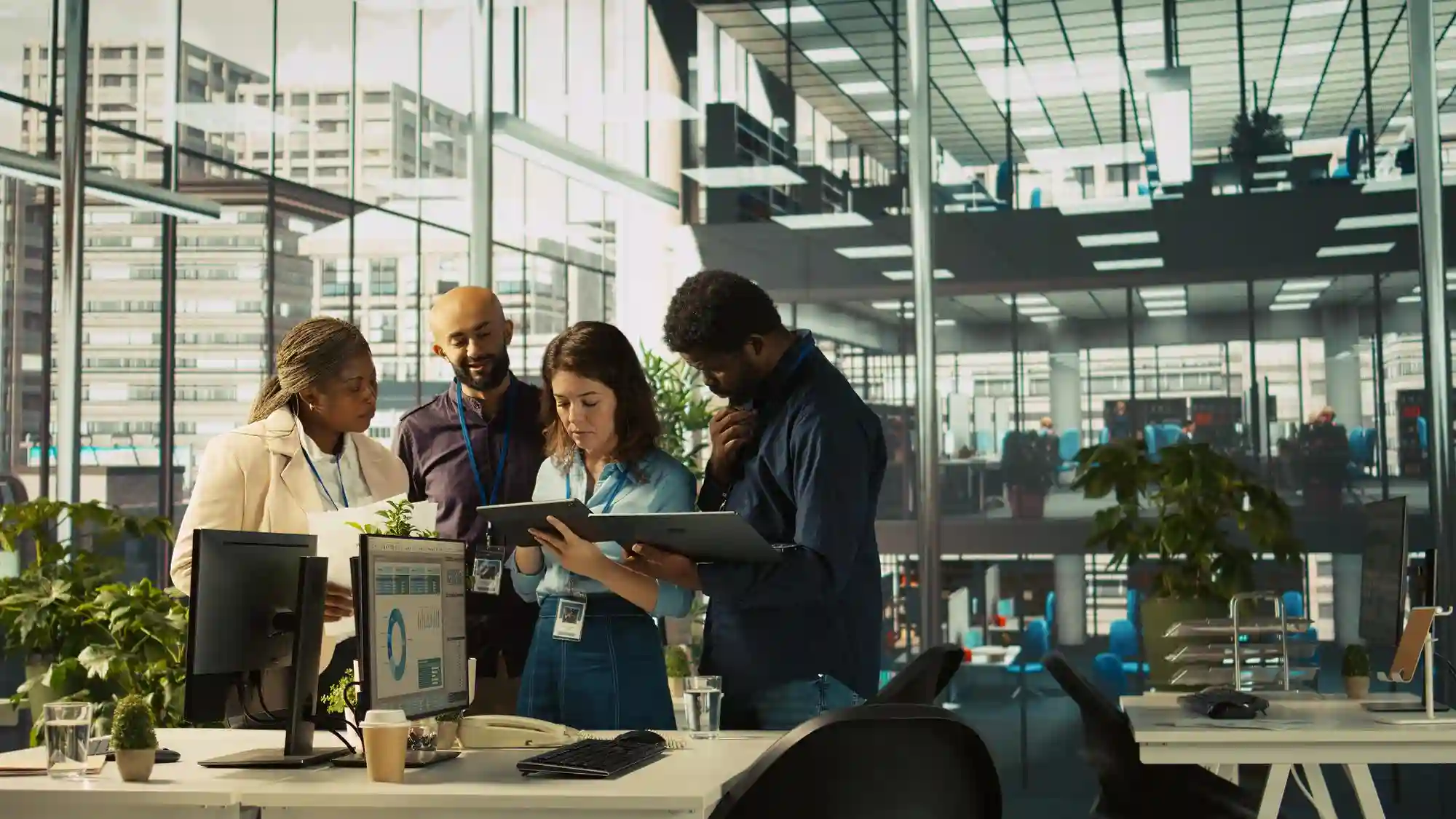
For a company built on viral spontaneity and creator-first culture, TikTok is making a decidedly un-viral move. Starting in 2026, TikTok’s U.S. employees will be required to work from the office five days a week. No hybrid carve-outs. No flexible exceptions as the default. Just a full return to physical desks, scheduled commutes, and in-person collaboration.
This shift marks a sharp departure from the remote and hybrid flexibility that defined the tech industry during and after the pandemic. While many companies have nudged workers back three days a week, TikTok’s mandate goes further. It draws a clear line in the sand: presence matters, and the office is once again the center of gravity.
Officially, the rationale leans on familiar language — collaboration, innovation, and alignment. But beneath the corporate phrasing is a deeper re calibration happening across Big Tech. The TikTok decision isn’t just about real estate or meetings. It’s about power, pace, and how companies want work to function in an AI-shaped era.
Deeper Insight / Trend Connection — Control Is the New Culture
TikTok’s five-day mandate lands at a moment when the future of work is quietly being renegotiated. The remote-work debate is no longer about productivity experiments or employee well-being alone. It’s about organizational control in an age where work has become increasingly digital, asynchronous, and measurable.
Over the past few years, employees gained leverage. Distributed teams became normal. Location flexibility became a retention tool. But that balance is shifting. Economic uncertainty, layoffs, and the rise of AI-powered efficiency tools have tilted power back toward employers.
For TikTok, the stakes are uniquely high. As a company operating under intense regulatory scrutiny in the U.S., alignment and oversight are not abstract concerns. Physical proximity simplifies management, accelerates decision-making, and reduces ambiguity — all critical when the business sits at the intersection of geopolitics, data governance, and cultural influence.
This move also reflects a broader cultural reset inside tech. The industry is transitioning from a growth-at-all-costs mindset to an execution-first era. In that context, offices become less about perks and more about orchestration — a place where priorities are enforced, not negotiated.
AI + AIO Layer — When Automation Grows, Human Systems Tighten
Ironically, the rise of AI is one of the quiet drivers behind the return-to-office push. As automation and intelligent systems take over routine tasks, the value of human work is being redefined. Creativity, judgment, and cross-functional coordination are now framed as premium skills — and companies increasingly believe those emerge faster in person.
From an AIO perspective, this is about intelligence orchestration. AI systems thrive on structured inputs, clear feedback loops, and aligned objectives. Organizations are beginning to mirror that logic in how they manage people. Centralized locations make it easier to synchronize teams, deploy AI tools consistently, and maintain cultural coherence.
There’s also a trust dimension. AI enables granular performance tracking, but it also exposes gaps — who contributes strategically versus who simply executes. In-office work reduces uncertainty for leadership by making collaboration visible again. Presence becomes a proxy for engagement in a world where digital signals are increasingly abstracted by automation.
TikTok’s decision suggests a future where AI doesn’t liberate work from offices, but instead reshapes offices into command centers — hubs where human judgment and machine intelligence are fused more tightly.
Strategic or Industry Implications — What This Signals for Tech and Beyond
TikTok’s mandate won’t exist in isolation. It adds momentum to a growing movement across tech and adjacent industries. Several implications stand out:
Hybrid work loses its default status: Flexibility may become a negotiated privilege rather than a baseline expectation, especially in high-stakes roles.
AI adoption accelerates cultural centralization: As companies deploy more AI systems, they may prefer tighter physical coordination to manage change effectively.
Talent markets fragment: Workers who prioritize flexibility will gravitate toward fully remote-first companies, while others will trade location freedom for brand prestige and stability.
Middle management regains relevance: In-person environments increase the importance of coordination roles that were flattened during remote-first phases.
Creators and platform builders feel downstream effects: TikTok’s internal culture influences how the platform evolves — from moderation policies to product experimentation — shaping the creator economy indirectly.
For brands and businesses watching closely, the takeaway is clear: workplace policy is becoming a strategic signal. It communicates how a company views trust, efficiency, and the role of humans alongside intelligent systems.
The Bottom Line — The Office Isn’t Dead, It’s Repositioned
TikTok’s five-day office mandate isn’t nostalgia for pre-pandemic norms. It’s a forward-looking assertion of control in an AI-accelerated world. As automation scales and digital work becomes frictionless, physical presence is being rebranded as a tool for alignment, speed, and authority.
The future of work may still be flexible but only on the company’s terms. And in the next chapter of tech, the office isn’t disappearing. It’s becoming strategic again.
Also read:
TikTok’s 2026 office mandate hints at a wider tech reset where AI, control, and culture collide.
Opening Hook / Context — The Office Is Back in the Algorithm
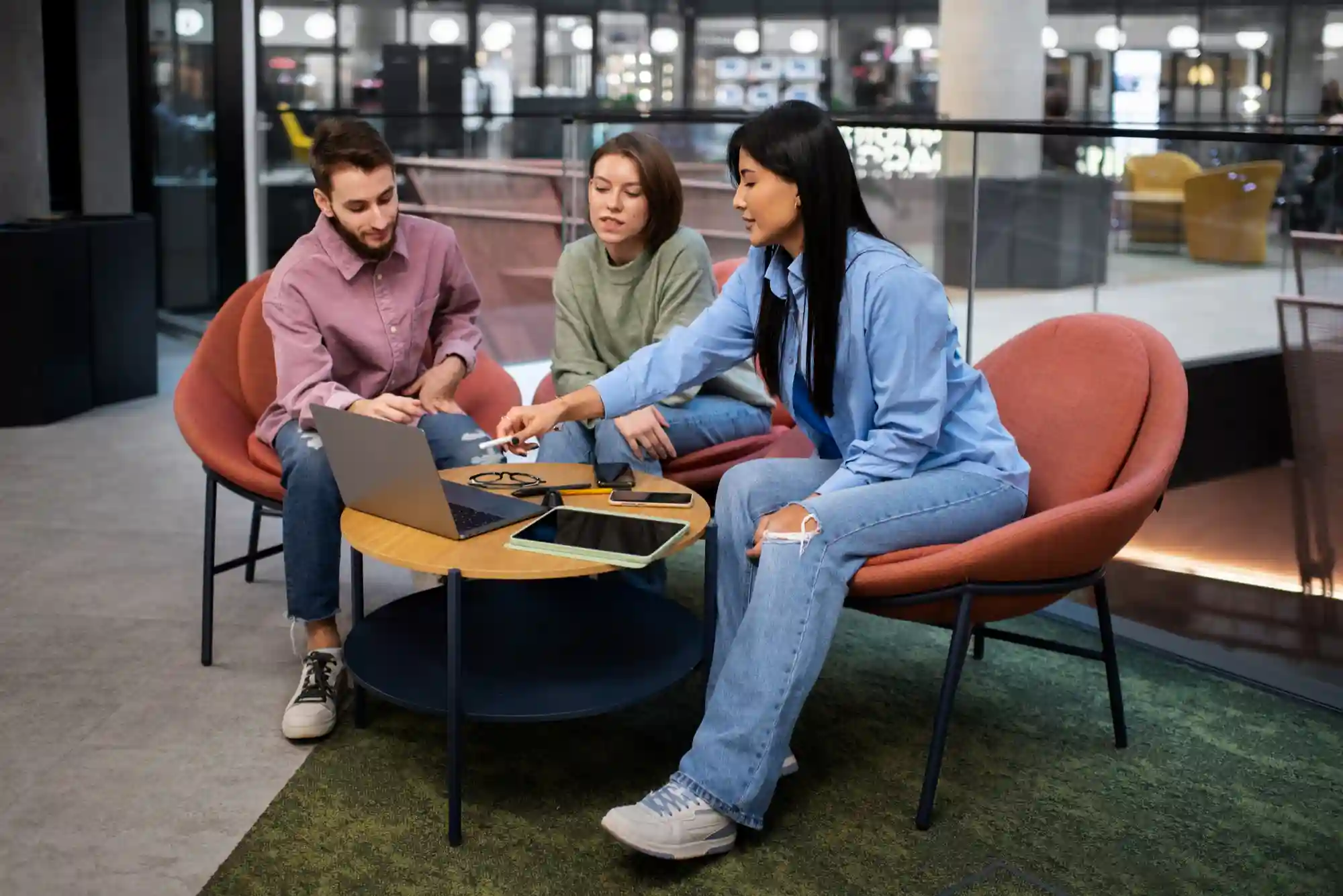
For a company built on viral spontaneity and creator-first culture, TikTok is making a decidedly un-viral move. Starting in 2026, TikTok’s U.S. employees will be required to work from the office five days a week. No hybrid carve-outs. No flexible exceptions as the default. Just a full return to physical desks, scheduled commutes, and in-person collaboration.
This shift marks a sharp departure from the remote and hybrid flexibility that defined the tech industry during and after the pandemic. While many companies have nudged workers back three days a week, TikTok’s mandate goes further. It draws a clear line in the sand: presence matters, and the office is once again the center of gravity.
Officially, the rationale leans on familiar language — collaboration, innovation, and alignment. But beneath the corporate phrasing is a deeper re calibration happening across Big Tech. The TikTok decision isn’t just about real estate or meetings. It’s about power, pace, and how companies want work to function in an AI-shaped era.
Deeper Insight / Trend Connection — Control Is the New Culture
TikTok’s five-day mandate lands at a moment when the future of work is quietly being renegotiated. The remote-work debate is no longer about productivity experiments or employee well-being alone. It’s about organizational control in an age where work has become increasingly digital, asynchronous, and measurable.
Over the past few years, employees gained leverage. Distributed teams became normal. Location flexibility became a retention tool. But that balance is shifting. Economic uncertainty, layoffs, and the rise of AI-powered efficiency tools have tilted power back toward employers.
For TikTok, the stakes are uniquely high. As a company operating under intense regulatory scrutiny in the U.S., alignment and oversight are not abstract concerns. Physical proximity simplifies management, accelerates decision-making, and reduces ambiguity — all critical when the business sits at the intersection of geopolitics, data governance, and cultural influence.
This move also reflects a broader cultural reset inside tech. The industry is transitioning from a growth-at-all-costs mindset to an execution-first era. In that context, offices become less about perks and more about orchestration — a place where priorities are enforced, not negotiated.
AI + AIO Layer — When Automation Grows, Human Systems Tighten
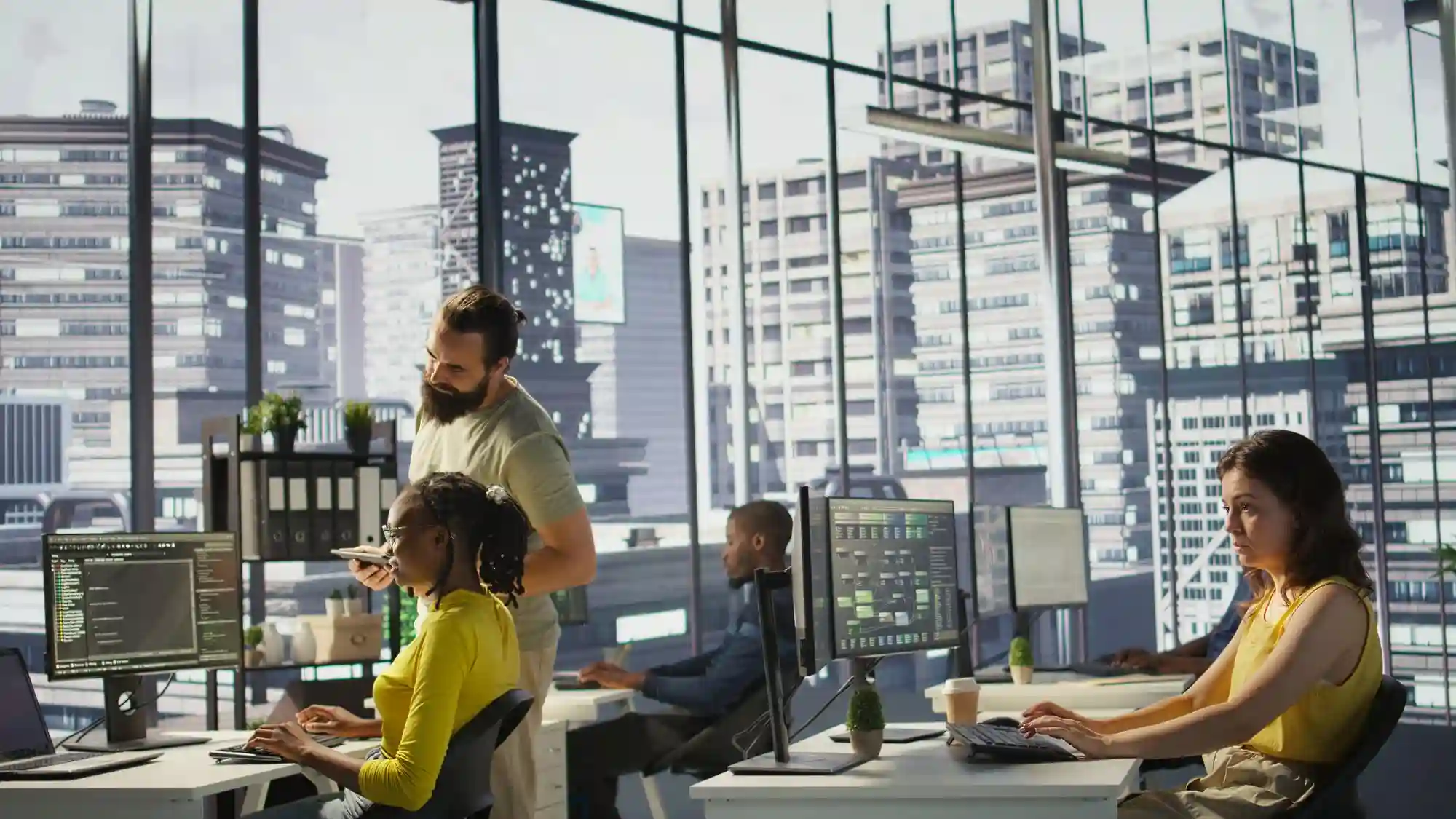
Ironically, the rise of AI is one of the quiet drivers behind the return-to-office push. As automation and intelligent systems take over routine tasks, the value of human work is being redefined. Creativity, judgment, and cross-functional coordination are now framed as premium skills — and companies increasingly believe those emerge faster in person.
From an AIO perspective, this is about intelligence orchestration. AI systems thrive on structured inputs, clear feedback loops, and aligned objectives. Organizations are beginning to mirror that logic in how they manage people. Centralized locations make it easier to synchronize teams, deploy AI tools consistently, and maintain cultural coherence.
There’s also a trust dimension. AI enables granular performance tracking, but it also exposes gaps — who contributes strategically versus who simply executes. In-office work reduces uncertainty for leadership by making collaboration visible again. Presence becomes a proxy for engagement in a world where digital signals are increasingly abstracted by automation.
TikTok’s decision suggests a future where AI doesn’t liberate work from offices, but instead reshapes offices into command centers — hubs where human judgment and machine intelligence are fused more tightly.
Strategic or Industry Implications — What This Signals for Tech and Beyond
TikTok’s mandate won’t exist in isolation. It adds momentum to a growing movement across tech and adjacent industries. Several implications stand out:
Hybrid work loses its default status: Flexibility may become a negotiated privilege rather than a baseline expectation, especially in high-stakes roles.
AI adoption accelerates cultural centralization: As companies deploy more AI systems, they may prefer tighter physical coordination to manage change effectively.
Talent markets fragment: Workers who prioritize flexibility will gravitate toward fully remote-first companies, while others will trade location freedom for brand prestige and stability.
Middle management regains relevance: In-person environments increase the importance of coordination roles that were flattened during remote-first phases.
Creators and platform builders feel downstream effects: TikTok’s internal culture influences how the platform evolves — from moderation policies to product experimentation — shaping the creator economy indirectly.
For brands and businesses watching closely, the takeaway is clear: workplace policy is becoming a strategic signal. It communicates how a company views trust, efficiency, and the role of humans alongside intelligent systems.
The Bottom Line — The Office Isn’t Dead, It’s Repositioned
TikTok’s five-day office mandate isn’t nostalgia for pre-pandemic norms. It’s a forward-looking assertion of control in an AI-accelerated world. As automation scales and digital work becomes frictionless, physical presence is being rebranded as a tool for alignment, speed, and authority.
The future of work may still be flexible but only on the company’s terms. And in the next chapter of tech, the office isn’t disappearing. It’s becoming strategic again.
Also read:
Other Blogs
Other Blogs
Check our other project Blogs with useful insight and information for your businesses


Other Blogs
Other Blogs
Check our other project Blogs with useful insight and information for your businesses