January 23, 2026
TikTok’s New Ad Tools Target Entertainment Marketers
January 23, 2026
TikTok’s New Ad Tools Target Entertainment Marketers
TikTok launches tailored ad solutions aimed at streaming platforms and studios, signaling a shift toward entertainment-centric media buys.
Opening Hook / Context
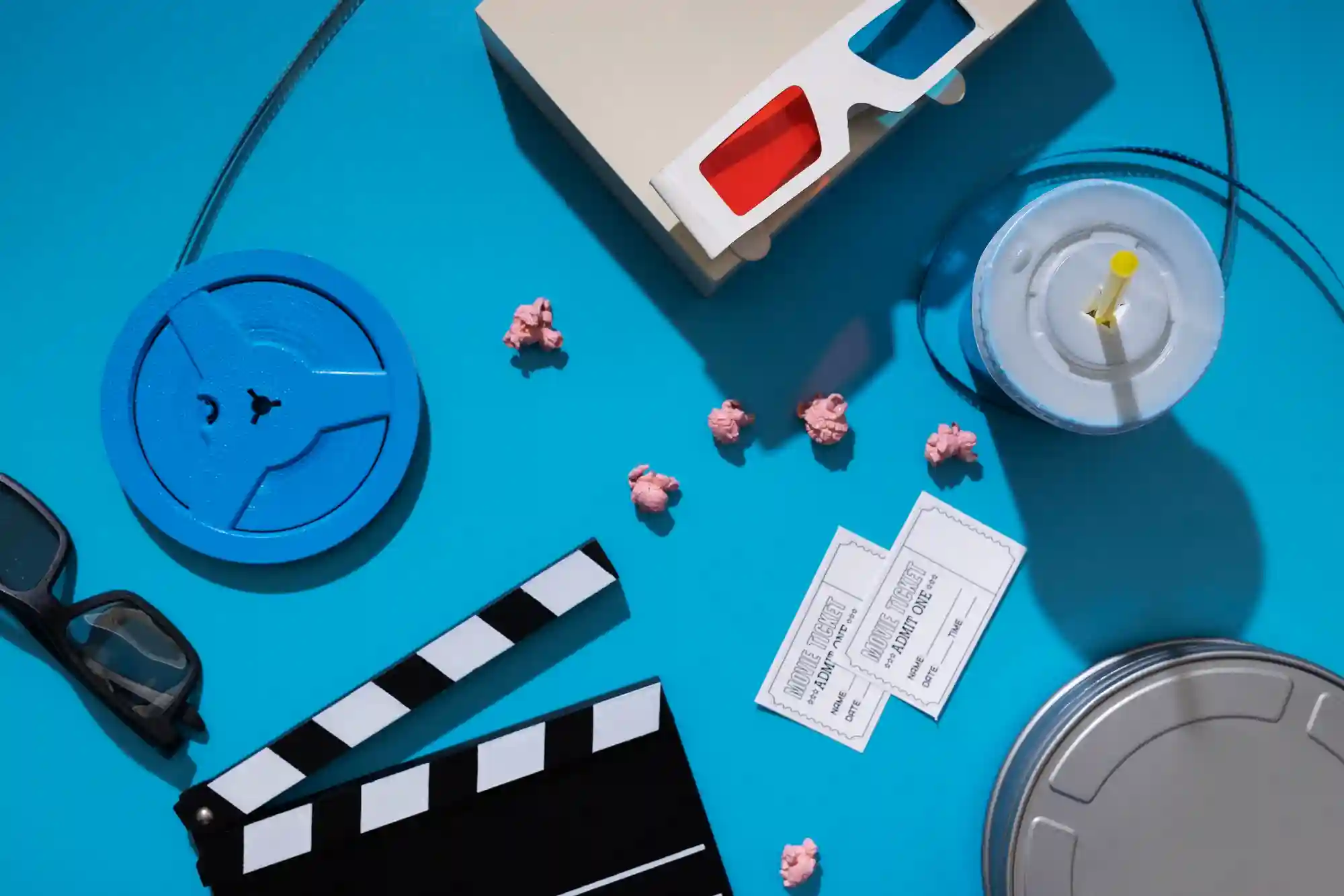
If the last decade belonged to social media for product discovery and influencer commerce, 2026 might be remembered as the year TikTok leaned into the business of entertainment advertising. At Sundance, the platform rolled out two new ad solutions that go beyond generic in-feed campaigns, designed specifically to help streaming services, studios, and content owners market premieres, subscriptions, and ticket sales straight to fan audiences. These aren’t just new formats — they signal TikTok’s ambition to become a go-to media partner for entertainment, not just a place people watch lip syncs and dances.
The New Ad Arsenal: What’s Being Unveiled
TikTok’s latest ad products anchor on highly tailored outreach:
Streaming Ads (powered by Smart+): A more intelligent way to surface entertainment content to users who’ve already shown interest in watching shows or movies. These ads can showcase multiple titles and lean on interactive formats that feel like mini trailers woven into the For You feed.
New Title Launch: Built for event marketing moments — like season premieres, theatrical releases, or major sports — this solution applies audience signals (genre affinity, pricing sensitivity, viewing behavior) to put announcements in front of high-intent viewers poised to subscribe or purchase.
This isn’t incremental ad tech — it’s an intentional attempt to transform TikTok into a growth engine for entertainment brands, treating the For You feed as a razor-sharp discovery channel rather than a passive scroll.
Deeper Insight / Trend Connection
Here’s the high-level shift: platforms are no longer neutral ad spaces — they’re becoming co-creators of audience demand. In the fiercely competitive media landscape, entertainment brands are chasing attention where it actually is — and for Gen Z and younger audiences, that’s short-form, algorithmic feeds.
This trend intersects with broader changes in media consumption. Traditional linear and even streaming discovery paths are fragmented. People increasingly decide what to watch after seeing an engaging short video about it — often on TikTok. The platform’s own data shows the app inspires users’ broader streaming choices and drives them to seek out new titles, sometimes even in theaters — proof that the social feed has real-world influence on entertainment choices.
What’s notable about these new ad solutions isn’t just the formats themselves but the strategy behind them: targeted content discovery, behavioral signals, and context-aware placements designed to make ads feel like part of the cultural conversation, not interruptions to it.
AI + AIO Layer
Although TikTok isn’t shouting “AI” on the rooftops with these specific products, the underlying mechanics are very much in the spirit of Artificial Intelligence & Automation Orchestration (AIO):
Personalization at scale: Smart+ — the engine behind Streaming Ads — analyzes user interest signals in real time, optimizing what entertainment content to serve to whom and when. That’s classic AIO, blending behavior, attention patterns, and automated delivery for relevance.
Signal-based targeting: The New Title Launch product uses nuanced signals (genre preferences, purchasing behavior) to identify intent, not just demographics. This shifts campaigns from broad splashes to precision engagement — a foundational AIO move.
Feed optimization logic: TikTok’s recommendation engine, itself an advanced AI system, ensures entertainment-centric ad units become part of the natural viewing experience, not just a paid overlay. That means ads learn from user interactions and adapt over time, increasing efficiency and reducing wasted impressions.
TikTok is stitching these capabilities together in a way that augments creative impact with smarter delivery, making ad dollars work harder by leaning on automation and embedded intelligence.
Strategic or Industry Implications
For brands, agencies, and entertainment marketers trying to make sense of this moment, here’s what matters:
Entertainment media buys are shifting toward platforms that shape culture, not just insert ads. TikTok’s algorithm isn’t a billboard — it’s a discovery machine.
Precision targeting reduces waste. Using audience intent signals rather than broad demographics can boost ROI when promoting premieres, releases, or tickets.
Ad creativity still wins. Formats like carousels or interactive cards are only effective when paired with compelling storytelling — meaning creative teams still hold strategic power.
TikTok wants to be more than a channel — it wants to be a partner. These solutions put the platform in a consultative role, aligning its ad tech with studio marketing calendars and fan-driven moments.
Competition with traditional media is intensifying. TV spots and digital out-of-home can’t match the real-time, highly personalized nature of social delivery; brands may need to rethink budget allocations.
The Bottom Line
TikTok’s latest ad solutions aren’t just new products — they’re a declaration of intent. The platform is reshaping itself from a social feed into an entertainment marketing engine backed by algorithmic intelligence and signal-driven relevance. For brands looking to win attention in 2026, understanding how AI-infused audience orchestration intersects with culture and content discovery isn’t optional — it’s foundational.
Also read:


TikTok launches tailored ad solutions aimed at streaming platforms and studios, signaling a shift toward entertainment-centric media buys.
Opening Hook / Context
If the last decade belonged to social media for product discovery and influencer commerce, 2026 might be remembered as the year TikTok leaned into the business of entertainment advertising. At Sundance, the platform rolled out two new ad solutions that go beyond generic in-feed campaigns, designed specifically to help streaming services, studios, and content owners market premieres, subscriptions, and ticket sales straight to fan audiences. These aren’t just new formats — they signal TikTok’s ambition to become a go-to media partner for entertainment, not just a place people watch lip syncs and dances.
The New Ad Arsenal: What’s Being Unveiled
TikTok’s latest ad products anchor on highly tailored outreach:
Streaming Ads (powered by Smart+): A more intelligent way to surface entertainment content to users who’ve already shown interest in watching shows or movies. These ads can showcase multiple titles and lean on interactive formats that feel like mini trailers woven into the For You feed.
New Title Launch: Built for event marketing moments — like season premieres, theatrical releases, or major sports — this solution applies audience signals (genre affinity, pricing sensitivity, viewing behavior) to put announcements in front of high-intent viewers poised to subscribe or purchase.
This isn’t incremental ad tech — it’s an intentional attempt to transform TikTok into a growth engine for entertainment brands, treating the For You feed as a razor-sharp discovery channel rather than a passive scroll.
Deeper Insight / Trend Connection
Here’s the high-level shift: platforms are no longer neutral ad spaces — they’re becoming co-creators of audience demand. In the fiercely competitive media landscape, entertainment brands are chasing attention where it actually is — and for Gen Z and younger audiences, that’s short-form, algorithmic feeds.
This trend intersects with broader changes in media consumption. Traditional linear and even streaming discovery paths are fragmented. People increasingly decide what to watch after seeing an engaging short video about it — often on TikTok. The platform’s own data shows the app inspires users’ broader streaming choices and drives them to seek out new titles, sometimes even in theaters — proof that the social feed has real-world influence on entertainment choices.
What’s notable about these new ad solutions isn’t just the formats themselves but the strategy behind them: targeted content discovery, behavioral signals, and context-aware placements designed to make ads feel like part of the cultural conversation, not interruptions to it.
AI + AIO Layer
Although TikTok isn’t shouting “AI” on the rooftops with these specific products, the underlying mechanics are very much in the spirit of Artificial Intelligence & Automation Orchestration (AIO):
Personalization at scale: Smart+ — the engine behind Streaming Ads — analyzes user interest signals in real time, optimizing what entertainment content to serve to whom and when. That’s classic AIO, blending behavior, attention patterns, and automated delivery for relevance.
Signal-based targeting: The New Title Launch product uses nuanced signals (genre preferences, purchasing behavior) to identify intent, not just demographics. This shifts campaigns from broad splashes to precision engagement — a foundational AIO move.
Feed optimization logic: TikTok’s recommendation engine, itself an advanced AI system, ensures entertainment-centric ad units become part of the natural viewing experience, not just a paid overlay. That means ads learn from user interactions and adapt over time, increasing efficiency and reducing wasted impressions.
TikTok is stitching these capabilities together in a way that augments creative impact with smarter delivery, making ad dollars work harder by leaning on automation and embedded intelligence.
Strategic or Industry Implications
For brands, agencies, and entertainment marketers trying to make sense of this moment, here’s what matters:
Entertainment media buys are shifting toward platforms that shape culture, not just insert ads. TikTok’s algorithm isn’t a billboard — it’s a discovery machine.
Precision targeting reduces waste. Using audience intent signals rather than broad demographics can boost ROI when promoting premieres, releases, or tickets.
Ad creativity still wins. Formats like carousels or interactive cards are only effective when paired with compelling storytelling — meaning creative teams still hold strategic power.
TikTok wants to be more than a channel — it wants to be a partner. These solutions put the platform in a consultative role, aligning its ad tech with studio marketing calendars and fan-driven moments.
Competition with traditional media is intensifying. TV spots and digital out-of-home can’t match the real-time, highly personalized nature of social delivery; brands may need to rethink budget allocations.
The Bottom Line
TikTok’s latest ad solutions aren’t just new products — they’re a declaration of intent. The platform is reshaping itself from a social feed into an entertainment marketing engine backed by algorithmic intelligence and signal-driven relevance. For brands looking to win attention in 2026, understanding how AI-infused audience orchestration intersects with culture and content discovery isn’t optional — it’s foundational.
Also read:
Other Blogs
Other Blogs
Check our other project Blogs with useful insight and information for your businesses
Other Blogs
Other Blogs
Check our other project Blogs with useful insight and information for your businesses