October 31, 2025
TikTok Celebrates Korean Culture’s Global Impact at APEC CEO Summit
October 31, 2025
TikTok Celebrates Korean Culture’s Global Impact at APEC CEO Summit
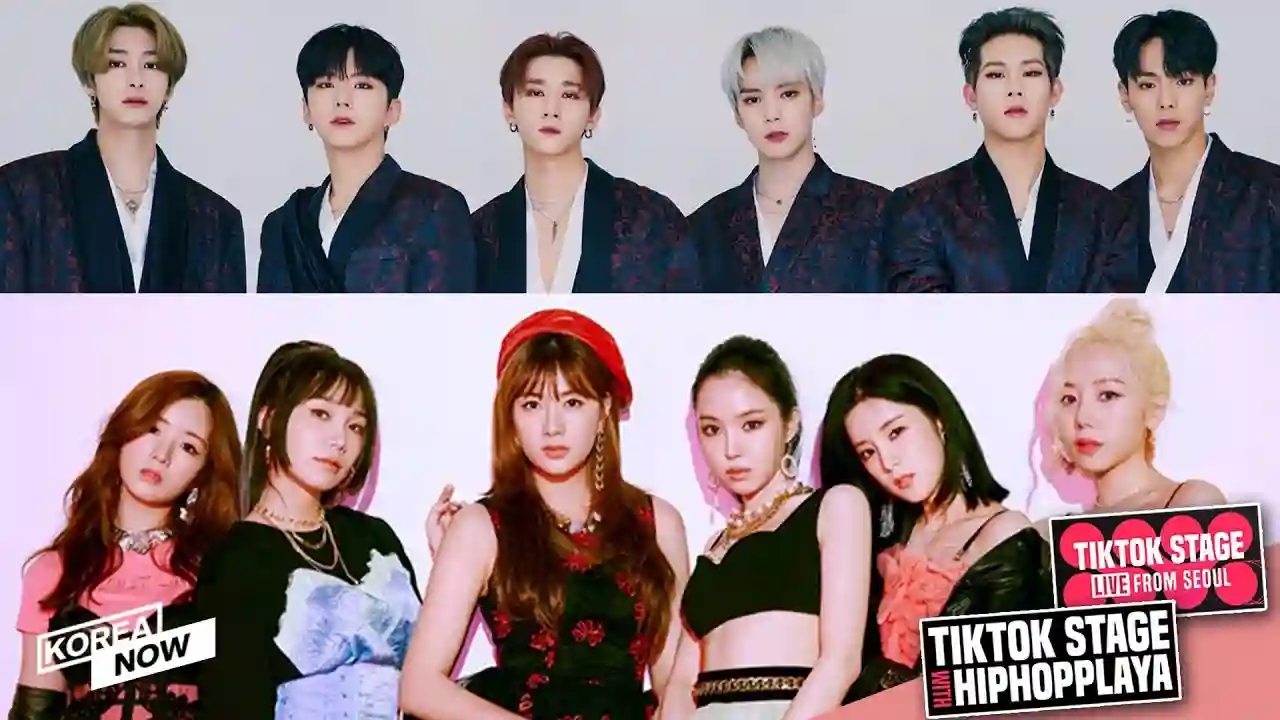
At the APEC CEO Summit, TikTok highlighted how K-pop, K-beauty, and Korean food are driving global commerce and creativity — powered by platform-native storytelling and AIO-driven cultural exchange.
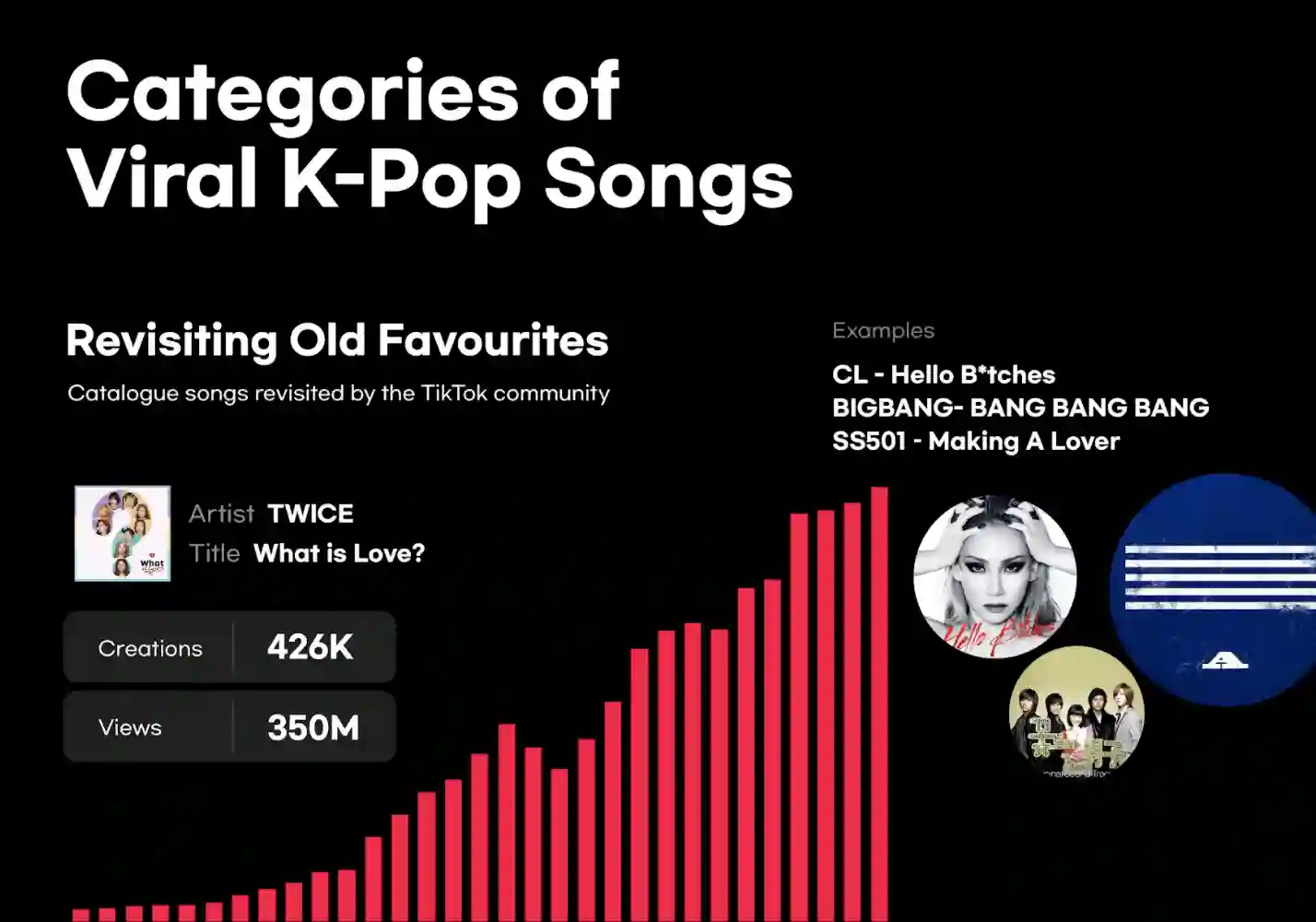
K-Culture: From Seoul to the World
At the 2025 APEC CEO Summit in Gyeongju, TikTok’s senior director of public policy, Eric Ebenstein, didn’t just talk about content — he talked about cultural infrastructure.
“K-pop needs no introduction,” he said. “But beyond music, Korean culture is thriving on TikTok — food, drama, and beauty are driving massive commerce.”
From gimbap going viral and selling out in U.S. grocery stores to Korean beauty brands topping TikTok Shop charts, Ebenstein painted a picture of culture as commerce — powered by platform storytelling and algorithmic amplification.
The message was clear: TikTok isn’t just hosting trends — it’s globalizing them.
From Virality to Value: K-Culture as an Economic Engine
A single TikTok trend — like a 15-second clip of gimbap — can ripple through global markets.
That’s AIO (Artificial Intelligence + Orchestration) at work: algorithmic systems translating culture into measurable economic outcomes.
When Ebenstein noted that “a Korean brand currently ranks No. 1 on TikTok Shop for the U.S.,” he wasn’t just sharing a success story — he was describing a new trade model.
This is algorithmic globalization — where AI-fueled discovery loops turn cultural exports into cross-border industries overnight.
In TikTok’s ecosystem, a local recipe becomes a global brand. A beauty hack becomes a billion-dollar supply chain. Creativity becomes GDP.
Digital Safety Meets Cultural Scale
Ebenstein also emphasized TikTok’s partnerships in Korea with organizations like the Blue Tree Foundation and Tacteen Naeil, which focus on youth protection and digital literacy.
TikTok’s strategy is twofold:
Empower creators through global reach and economic opportunity.
Ensure safety and inclusivity through local collaboration.
It’s the platform’s quiet shift from content platform to digital civic infrastructure — balancing growth with governance.
Asia-Pacific: The Next Digital Superpower
Ebenstein described the Asia-Pacific as “a powerhouse of digital growth,” where creativity and technology intersect at unmatched speed and scale.
In regions like Korea, this intersection is visible daily — where K-pop choreography doubles as global marketing, and beauty routines become cultural exports.
For TikTok, this isn’t just entertainment — it’s the foundation of a new digital economy, where innovation, storytelling, and entrepreneurship blend through AIO systems that connect local creators to global markets.
The Bottom Line
TikTok’s presence at APEC wasn’t just about celebrating Korean culture — it was about redefining cultural trade.
K-culture’s rise from Seoul streets to U.S. shelves is proof of what happens when AI, creativity, and community converge.
In the AIO era, influence isn’t about who creates the most content — it’s about who orchestrates culture at scale.
And right now, Korea is leading that movement — with TikTok as its global stage.
Also read:

At the APEC CEO Summit, TikTok highlighted how K-pop, K-beauty, and Korean food are driving global commerce and creativity — powered by platform-native storytelling and AIO-driven cultural exchange.
K-Culture: From Seoul to the World
At the 2025 APEC CEO Summit in Gyeongju, TikTok’s senior director of public policy, Eric Ebenstein, didn’t just talk about content — he talked about cultural infrastructure.
“K-pop needs no introduction,” he said. “But beyond music, Korean culture is thriving on TikTok — food, drama, and beauty are driving massive commerce.”
From gimbap going viral and selling out in U.S. grocery stores to Korean beauty brands topping TikTok Shop charts, Ebenstein painted a picture of culture as commerce — powered by platform storytelling and algorithmic amplification.
The message was clear: TikTok isn’t just hosting trends — it’s globalizing them.
From Virality to Value: K-Culture as an Economic Engine
A single TikTok trend — like a 15-second clip of gimbap — can ripple through global markets.
That’s AIO (Artificial Intelligence + Orchestration) at work: algorithmic systems translating culture into measurable economic outcomes.
When Ebenstein noted that “a Korean brand currently ranks No. 1 on TikTok Shop for the U.S.,” he wasn’t just sharing a success story — he was describing a new trade model.
This is algorithmic globalization — where AI-fueled discovery loops turn cultural exports into cross-border industries overnight.
In TikTok’s ecosystem, a local recipe becomes a global brand. A beauty hack becomes a billion-dollar supply chain. Creativity becomes GDP.
Digital Safety Meets Cultural Scale
Ebenstein also emphasized TikTok’s partnerships in Korea with organizations like the Blue Tree Foundation and Tacteen Naeil, which focus on youth protection and digital literacy.
TikTok’s strategy is twofold:
Empower creators through global reach and economic opportunity.
Ensure safety and inclusivity through local collaboration.
It’s the platform’s quiet shift from content platform to digital civic infrastructure — balancing growth with governance.
Asia-Pacific: The Next Digital Superpower
Ebenstein described the Asia-Pacific as “a powerhouse of digital growth,” where creativity and technology intersect at unmatched speed and scale.
In regions like Korea, this intersection is visible daily — where K-pop choreography doubles as global marketing, and beauty routines become cultural exports.
For TikTok, this isn’t just entertainment — it’s the foundation of a new digital economy, where innovation, storytelling, and entrepreneurship blend through AIO systems that connect local creators to global markets.
The Bottom Line
TikTok’s presence at APEC wasn’t just about celebrating Korean culture — it was about redefining cultural trade.
K-culture’s rise from Seoul streets to U.S. shelves is proof of what happens when AI, creativity, and community converge.
In the AIO era, influence isn’t about who creates the most content — it’s about who orchestrates culture at scale.
And right now, Korea is leading that movement — with TikTok as its global stage.
Also read:
Other Blogs
Other Blogs
Check our other project Blogs with useful insight and information for your businesses


Other Blogs
Other Blogs
Check our other project Blogs with useful insight and information for your businesses