October 31, 2025
TikTok Deal Still Unclear as China, U.S. Promise to Work Together
October 31, 2025
TikTok Deal Still Unclear as China, U.S. Promise to Work Together
After a high-stakes meeting between Trump and Xi, both sides pledge to resolve TikTok’s uncertain future. But behind the diplomacy, the battle over data, AI, and attention is only heating up.
The Battle Over TikTok Isn’t About an App — It’s About Power
After months of back-and-forth, the future of TikTok in the U.S. remains unresolved.
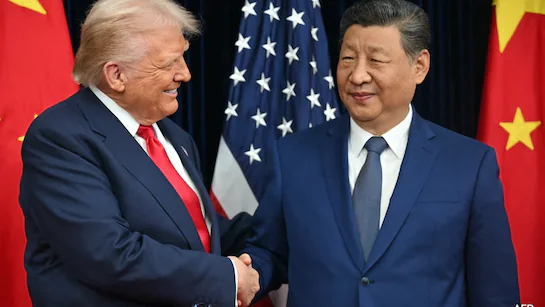
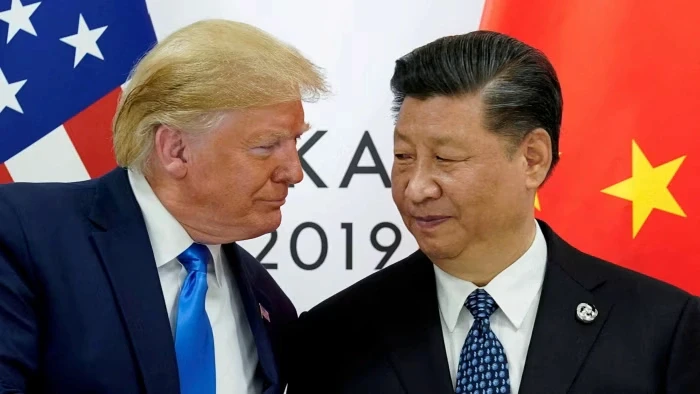
Following President Donald Trump’s meeting with China’s Xi Jinping in Busan, China’s Commerce Ministry said both countries would “properly resolve” issues related to TikTok — but gave no concrete details or timeline.
The much-hyped deal to spin TikTok into a U.S.-owned company appears to have stalled, despite repeated extensions and executive orders. Trump has publicly claimed progress, but Beijing’s silence — and insistence that TikTok’s algorithm remain under Chinese law — signals deeper strategic tension.
The Diplomatic Dance Behind the Algorithm
This isn’t just a commercial tug-of-war. It’s a clash over data, influence, and digital sovereignty.
The U.S. wants ByteDance to hand over TikTok’s American operations to a U.S.-led investor group, claiming national security concerns over data access. China, on the other hand, views TikTok’s algorithm as a core technology — one too valuable to give up easily.
Bonnie Glaser, a policy expert at the German Marshall Fund, summed it up: “For Xi, this isn’t really a big thing. He’s happy to let Trump claim a win — whether or not it changes anything.”
With over 43% of young Americans getting their news from TikTok, the platform’s reach is no longer just entertainment — it’s political, social, and cultural power.
AIO: The Real War Is for Attention, Not Ownership
In the era of AIO (Artificial Intelligence + Orchestration), control isn’t about who owns the app — it’s about who controls the data, the algorithms, and the feedback loops that drive user behavior.
TikTok’s algorithm is a masterclass in AIO-driven personalization. It learns, adapts, and orchestrates content at an individual level — something even major gaming and streaming platforms are trying to replicate.
The U.S.–China standoff over TikTok is, in reality, a preview of the next frontier in AI geopolitics: who gets to own the systems that shape global attention.
The Bigger Picture: From Trade to Tech to Time
Trade wars were yesterday’s news.
The new global rivalry revolves around attention, algorithms, and influence — and TikTok sits right at the intersection.
For the U.S., forcing a divestment is about control.
For China, keeping TikTok’s algorithm is about leverage.
And for users? It’s about who gets to decide what they see, think, and buy — often without even realizing it.
As the world watches Trump and Xi negotiate over short-form videos, it’s becoming clear:
TikTok isn’t just an app anymore. It’s a symbol of who commands the digital future.
Also read:
After a high-stakes meeting between Trump and Xi, both sides pledge to resolve TikTok’s uncertain future. But behind the diplomacy, the battle over data, AI, and attention is only heating up.
The Battle Over TikTok Isn’t About an App — It’s About Power
After months of back-and-forth, the future of TikTok in the U.S. remains unresolved.
Following President Donald Trump’s meeting with China’s Xi Jinping in Busan, China’s Commerce Ministry said both countries would “properly resolve” issues related to TikTok — but gave no concrete details or timeline.
The much-hyped deal to spin TikTok into a U.S.-owned company appears to have stalled, despite repeated extensions and executive orders. Trump has publicly claimed progress, but Beijing’s silence — and insistence that TikTok’s algorithm remain under Chinese law — signals deeper strategic tension.
The Diplomatic Dance Behind the Algorithm
This isn’t just a commercial tug-of-war. It’s a clash over data, influence, and digital sovereignty.
The U.S. wants ByteDance to hand over TikTok’s American operations to a U.S.-led investor group, claiming national security concerns over data access. China, on the other hand, views TikTok’s algorithm as a core technology — one too valuable to give up easily.
Bonnie Glaser, a policy expert at the German Marshall Fund, summed it up: “For Xi, this isn’t really a big thing. He’s happy to let Trump claim a win — whether or not it changes anything.”
With over 43% of young Americans getting their news from TikTok, the platform’s reach is no longer just entertainment — it’s political, social, and cultural power.
AIO: The Real War Is for Attention, Not Ownership
In the era of AIO (Artificial Intelligence + Orchestration), control isn’t about who owns the app — it’s about who controls the data, the algorithms, and the feedback loops that drive user behavior.
TikTok’s algorithm is a masterclass in AIO-driven personalization. It learns, adapts, and orchestrates content at an individual level — something even major gaming and streaming platforms are trying to replicate.
The U.S.–China standoff over TikTok is, in reality, a preview of the next frontier in AI geopolitics: who gets to own the systems that shape global attention.
The Bigger Picture: From Trade to Tech to Time
Trade wars were yesterday’s news.
The new global rivalry revolves around attention, algorithms, and influence — and TikTok sits right at the intersection.
For the U.S., forcing a divestment is about control.
For China, keeping TikTok’s algorithm is about leverage.
And for users? It’s about who gets to decide what they see, think, and buy — often without even realizing it.
As the world watches Trump and Xi negotiate over short-form videos, it’s becoming clear:
TikTok isn’t just an app anymore. It’s a symbol of who commands the digital future.
Also read:
Other Blogs
Other Blogs
Check our other project Blogs with useful insight and information for your businesses

Other Blogs
Other Blogs
Check our other project Blogs with useful insight and information for your businesses