November 26, 2025
TikTok Creator Ads Drive 70% Higher CTR Than Brand Content
November 26, 2025
TikTok Creator Ads Drive 70% Higher CTR Than Brand Content
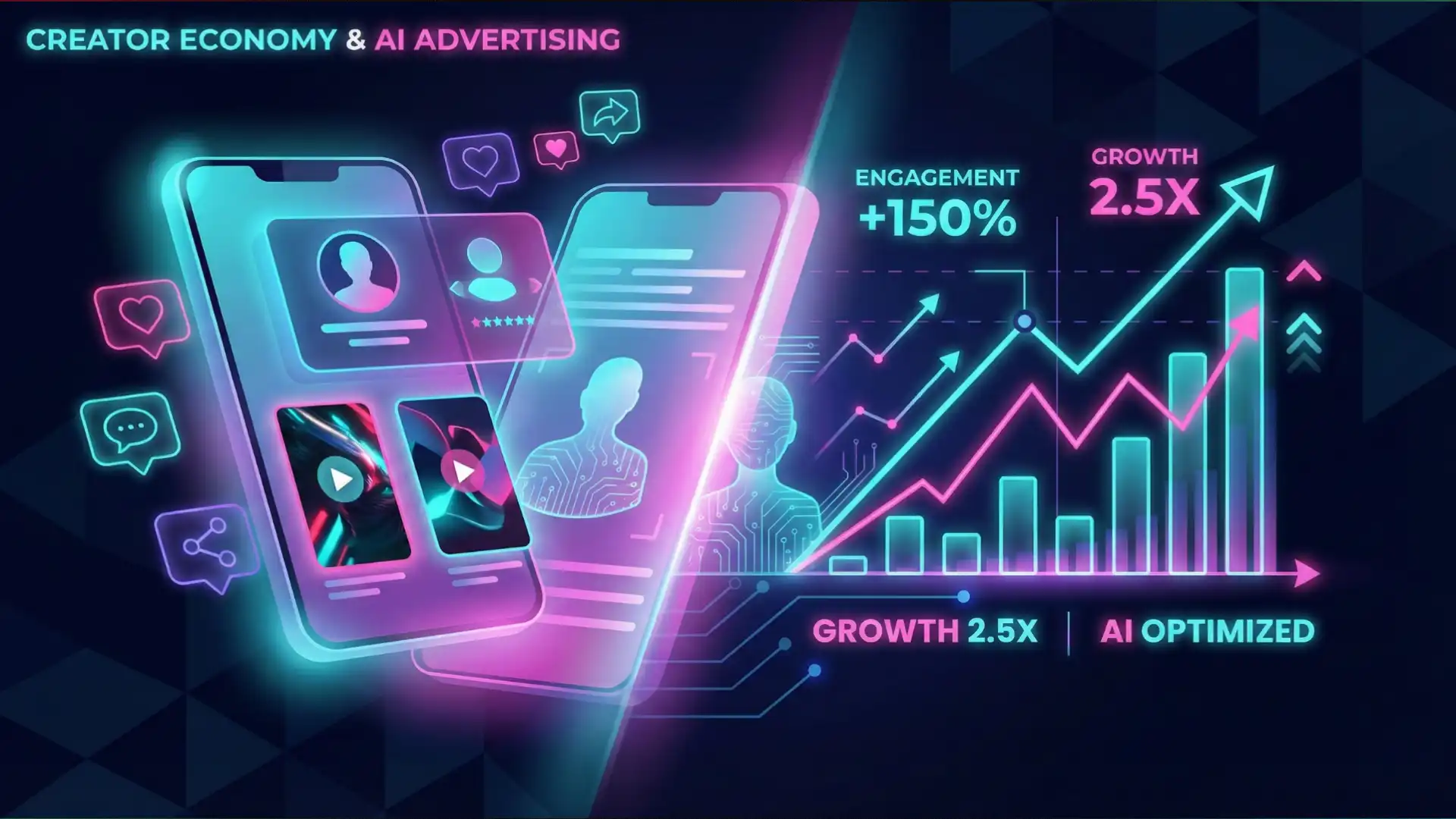
New data shows creator-led ads crush traditional brand content on TikTok. The shift signals how AI-powered platforms are rewiring digital advertising.
TikTok's Creator Ads Outperform Brand Content by 70% — Here's Why That Matters
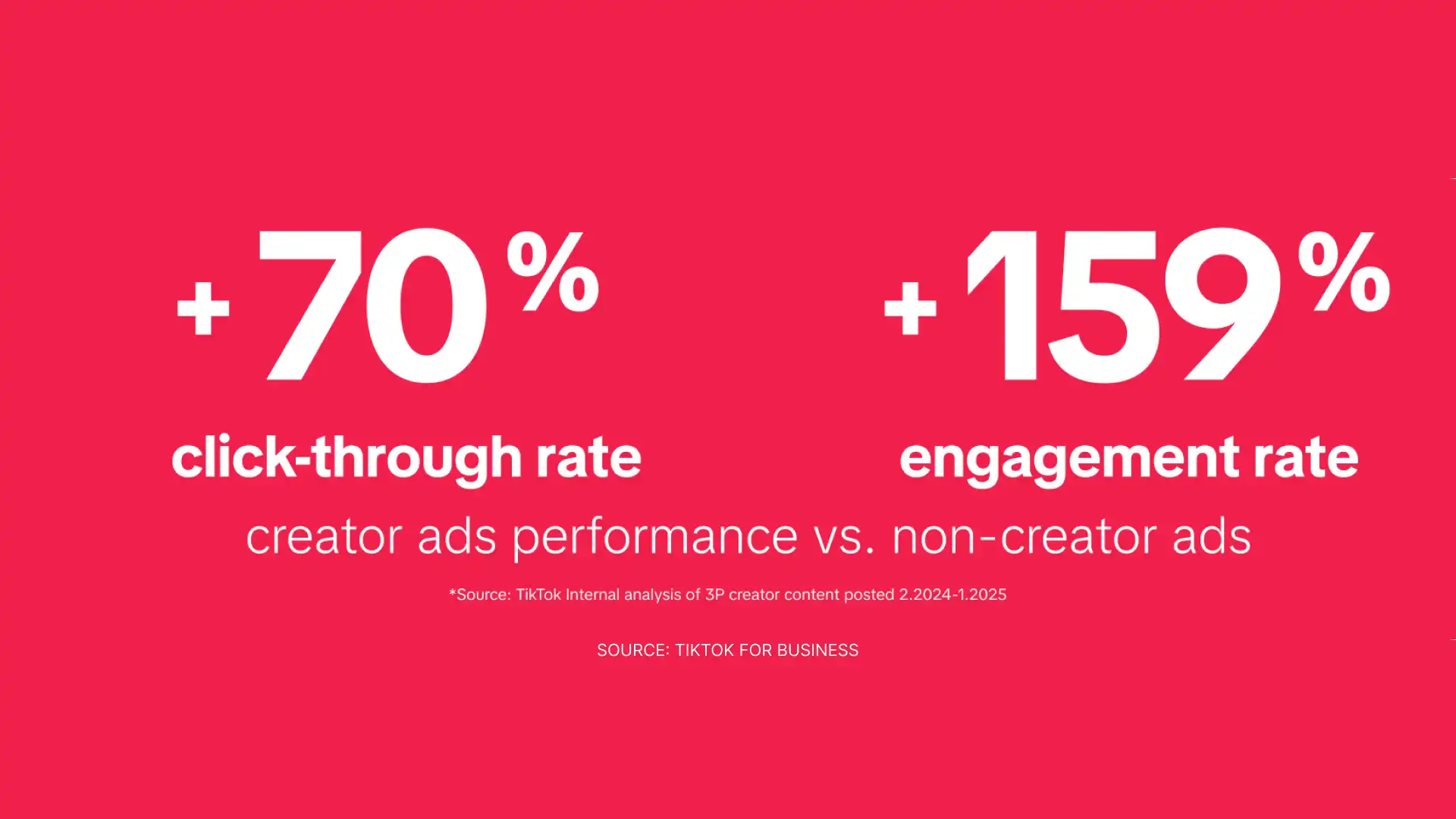
TikTok just put numbers behind what marketers have suspected for years: creator-led content isn't just different, it's demonstrably better. According to internal analysis spanning nearly a year of campaign data, ads produced by creators drive a 70% higher click-through rate and a staggering 159% higher engagement rate compared to traditional brand-produced ads — all at the same cost per thousand impressions.
This isn't about influencer clout or follower counts. It's about format fluency. Creators understand the unwritten grammar of TikTok in ways that brand creative teams, no matter how talented, simply can't replicate at scale. And now that advantage is being baked into the platform's infrastructure through TikTok One, a suite of tools designed to make creator collaboration less experimental and more operational.
For brands competing in an attention economy where every scroll is a vote, this isn't just a performance edge. It's a strategic imperative.
Why Creator Content Works: Cultural Translation, Not Just Distribution
The performance gap isn't accidental. TikTok identifies three core advantages that creators bring to brand storytelling, and each one maps to a structural weakness in traditional advertising workflows.
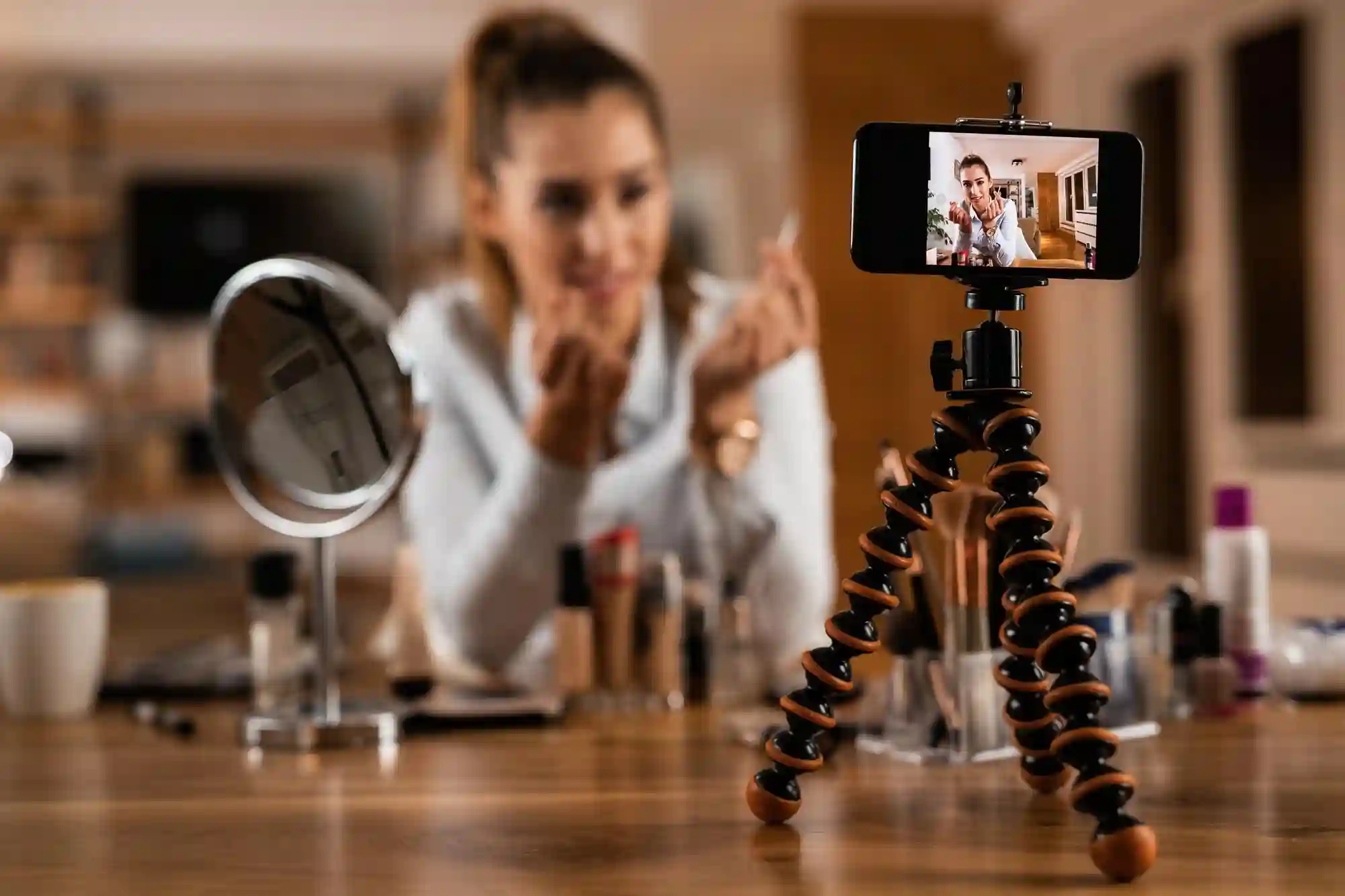
Creators are cultural translators. They don't just post content — they code-switch between brand messaging and community norms. A clean beauty creator launching a soap product will spotlight ingredients and dermatological benefits. An eco-lifestyle creator will focus on refillable packaging and carbon impact. Both are promoting the same product, but through culturally fluent lenses that feel native to their audiences. Internal brand teams might spend months workshopping these angles. Creators deploy them instinctively.
Creators produce volume without sacrificing quality. Traditional advertising operates on a scarcity model: expensive shoots, long timelines, committee approvals. Creators concept, shoot, edit, and publish independently, which means brands can scale creative output without bottlenecking on internal resources. More importantly, distributing creative responsibility across multiple voices increases the odds of landing a breakout piece of content. It's a portfolio approach to creative risk.
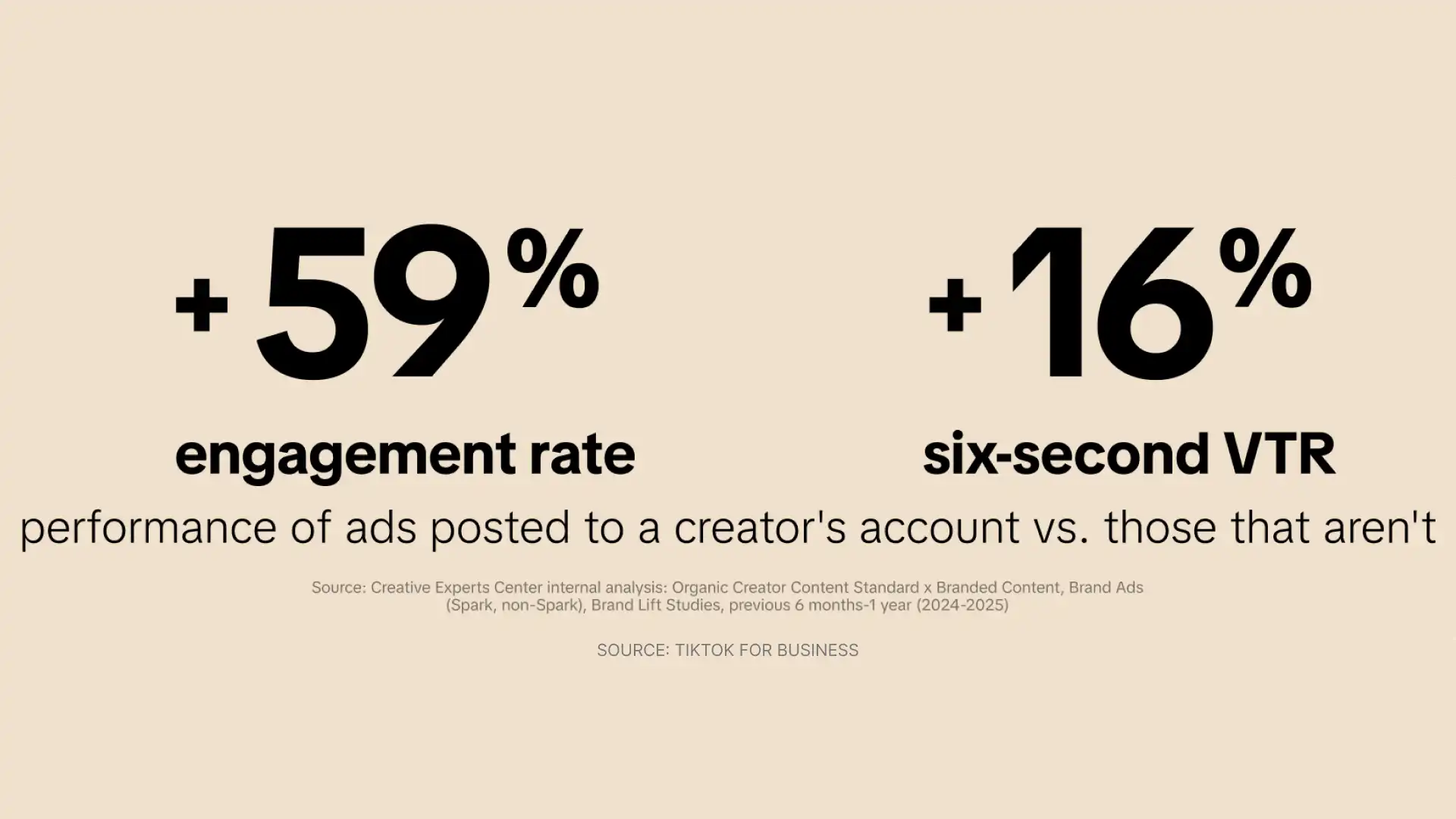
Creators lend social proof through association. Audiences trust people they follow more than logos they recognize. When a creator posts branded content to their own account, engagement rates jump 59% and six-second view-through rates increase 16% compared to the same content posted from a brand account. That's not just algorithm favoritism — it's the halo effect of genuine social capital.
The AI Layer: How Platforms Are Automating Creative Strategy
Here's where it gets interesting from an AI and automation perspective. TikTok One isn't just a creator marketplace — it's an intelligence layer designed to match brands with creators based on audience overlap, content performance, and engagement patterns. The platform uses predictive analytics to surface creator recommendations, essentially automating the discovery and vetting process that used to require agencies and media buyers.
This is AI-powered creative orchestration in action. Instead of brands manually sifting through thousands of creator profiles, TikTok's system identifies high-probability matches using signals like audience demographics, content themes, and historical campaign performance. It's not replacing human creativity — it's optimizing the matchmaking process so brands can focus on strategy and messaging rather than logistics.
The Felix Pago case study is instructive here. The international payment app used Creator Marketplace to partner with Spanish-speaking creators, producing over 35 ads and achieving a 2.7x increase in daily creative output. The result: 38% higher conversions, 26% higher click-through rate, and 23% more efficient cost per acquisition. That's not just better creative — it's smarter resource allocation enabled by platform intelligence.
Similarly, Hyundai's campaign through Partner Exchange generated 53.5 million impressions and an 80% higher click-through rate than industry benchmarks by connecting with creators who were already Hyundai owners. The authenticity wasn't manufactured — it was algorithmically surfaced and strategically activated.
What This Means for Brands and the Future of Advertising
The shift toward creator-led advertising isn't a trend — it's a structural realignment of how digital marketing works. Here's what brand marketers and strategists should be tracking:
Always-on content becomes table stakes. The old model of quarterly campaign bursts is dead. TikTok recommends a dual approach: buzzy campaign moments for launches and cultural events, paired with always-on storytelling to sustain presence between peaks. Creators make this sustainable because they can produce consistently without creative fatigue.
Creative production is moving in-house to creators. Brands are no longer the primary producers of their own advertising. They're becoming commissioners and distributors of creator-generated content. This requires a shift in internal workflows, approval processes, and how creative teams define their role.
Performance measurement is unifying organic and paid. TikTok One offers unified reporting that tracks both organic creator posts and paid amplification in a single dashboard. This dissolves the traditional boundary between earned and paid media, forcing marketers to think holistically about content performance rather than channel-by-channel.
API integrations signal platform maturity. The fact that TikTok is offering API access to Creator Marketplace tools means this isn't a beta feature — it's core infrastructure. Brands can now plug creator collaboration directly into their existing martech stacks, which accelerates adoption and reduces friction.
Authenticity is now a measurable performance metric. When Hyundai worked with actual Hyundai owners as creators, engagement spiked. This validates what brand strategists have long believed but struggled to quantify: perceived authenticity drives tangible business outcomes.
The Bottom Line
The creator economy isn't disrupting advertising — it's becoming advertising. TikTok's data proves that the format, voice, and cultural fluency creators bring to brand storytelling isn't a nice-to-have aesthetic choice. It's a performance multiplier that directly impacts click-through rates, engagement, and conversion efficiency. As AI tools make creator collaboration more scalable and measurable, the brands that win won't be the ones with the biggest budgets — they'll be the ones who learn to orchestrate creator networks as systematically as they once managed creative agencies. The attention economy rewards native fluency, and creators are the only ones who speak it without an accent.
Also Read:
New data shows creator-led ads crush traditional brand content on TikTok. The shift signals how AI-powered platforms are rewiring digital advertising.
TikTok's Creator Ads Outperform Brand Content by 70% — Here's Why That Matters
TikTok just put numbers behind what marketers have suspected for years: creator-led content isn't just different, it's demonstrably better. According to internal analysis spanning nearly a year of campaign data, ads produced by creators drive a 70% higher click-through rate and a staggering 159% higher engagement rate compared to traditional brand-produced ads — all at the same cost per thousand impressions.
This isn't about influencer clout or follower counts. It's about format fluency. Creators understand the unwritten grammar of TikTok in ways that brand creative teams, no matter how talented, simply can't replicate at scale. And now that advantage is being baked into the platform's infrastructure through TikTok One, a suite of tools designed to make creator collaboration less experimental and more operational.
For brands competing in an attention economy where every scroll is a vote, this isn't just a performance edge. It's a strategic imperative.
Why Creator Content Works: Cultural Translation, Not Just Distribution
The performance gap isn't accidental. TikTok identifies three core advantages that creators bring to brand storytelling, and each one maps to a structural weakness in traditional advertising workflows.
Creators are cultural translators. They don't just post content — they code-switch between brand messaging and community norms. A clean beauty creator launching a soap product will spotlight ingredients and dermatological benefits. An eco-lifestyle creator will focus on refillable packaging and carbon impact. Both are promoting the same product, but through culturally fluent lenses that feel native to their audiences. Internal brand teams might spend months workshopping these angles. Creators deploy them instinctively.
Creators produce volume without sacrificing quality. Traditional advertising operates on a scarcity model: expensive shoots, long timelines, committee approvals. Creators concept, shoot, edit, and publish independently, which means brands can scale creative output without bottlenecking on internal resources. More importantly, distributing creative responsibility across multiple voices increases the odds of landing a breakout piece of content. It's a portfolio approach to creative risk.
Creators lend social proof through association. Audiences trust people they follow more than logos they recognize. When a creator posts branded content to their own account, engagement rates jump 59% and six-second view-through rates increase 16% compared to the same content posted from a brand account. That's not just algorithm favoritism — it's the halo effect of genuine social capital.
The AI Layer: How Platforms Are Automating Creative Strategy
Here's where it gets interesting from an AI and automation perspective. TikTok One isn't just a creator marketplace — it's an intelligence layer designed to match brands with creators based on audience overlap, content performance, and engagement patterns. The platform uses predictive analytics to surface creator recommendations, essentially automating the discovery and vetting process that used to require agencies and media buyers.
This is AI-powered creative orchestration in action. Instead of brands manually sifting through thousands of creator profiles, TikTok's system identifies high-probability matches using signals like audience demographics, content themes, and historical campaign performance. It's not replacing human creativity — it's optimizing the matchmaking process so brands can focus on strategy and messaging rather than logistics.
The Felix Pago case study is instructive here. The international payment app used Creator Marketplace to partner with Spanish-speaking creators, producing over 35 ads and achieving a 2.7x increase in daily creative output. The result: 38% higher conversions, 26% higher click-through rate, and 23% more efficient cost per acquisition. That's not just better creative — it's smarter resource allocation enabled by platform intelligence.
Similarly, Hyundai's campaign through Partner Exchange generated 53.5 million impressions and an 80% higher click-through rate than industry benchmarks by connecting with creators who were already Hyundai owners. The authenticity wasn't manufactured — it was algorithmically surfaced and strategically activated.
What This Means for Brands and the Future of Advertising
The shift toward creator-led advertising isn't a trend — it's a structural realignment of how digital marketing works. Here's what brand marketers and strategists should be tracking:
Always-on content becomes table stakes. The old model of quarterly campaign bursts is dead. TikTok recommends a dual approach: buzzy campaign moments for launches and cultural events, paired with always-on storytelling to sustain presence between peaks. Creators make this sustainable because they can produce consistently without creative fatigue.
Creative production is moving in-house to creators. Brands are no longer the primary producers of their own advertising. They're becoming commissioners and distributors of creator-generated content. This requires a shift in internal workflows, approval processes, and how creative teams define their role.
Performance measurement is unifying organic and paid. TikTok One offers unified reporting that tracks both organic creator posts and paid amplification in a single dashboard. This dissolves the traditional boundary between earned and paid media, forcing marketers to think holistically about content performance rather than channel-by-channel.
API integrations signal platform maturity. The fact that TikTok is offering API access to Creator Marketplace tools means this isn't a beta feature — it's core infrastructure. Brands can now plug creator collaboration directly into their existing martech stacks, which accelerates adoption and reduces friction.
Authenticity is now a measurable performance metric. When Hyundai worked with actual Hyundai owners as creators, engagement spiked. This validates what brand strategists have long believed but struggled to quantify: perceived authenticity drives tangible business outcomes.
The Bottom Line
The creator economy isn't disrupting advertising — it's becoming advertising. TikTok's data proves that the format, voice, and cultural fluency creators bring to brand storytelling isn't a nice-to-have aesthetic choice. It's a performance multiplier that directly impacts click-through rates, engagement, and conversion efficiency. As AI tools make creator collaboration more scalable and measurable, the brands that win won't be the ones with the biggest budgets — they'll be the ones who learn to orchestrate creator networks as systematically as they once managed creative agencies. The attention economy rewards native fluency, and creators are the only ones who speak it without an accent.
Also Read:
Other Blogs
Other Blogs
Check our other project Blogs with useful insight and information for your businesses
Other Blogs
Other Blogs
Check our other project Blogs with useful insight and information for your businesses