November 26, 2025
TikTok Shop Sells Luxury Handbags With AI Authentication
November 26, 2025
TikTok Shop Sells Luxury Handbags With AI Authentication
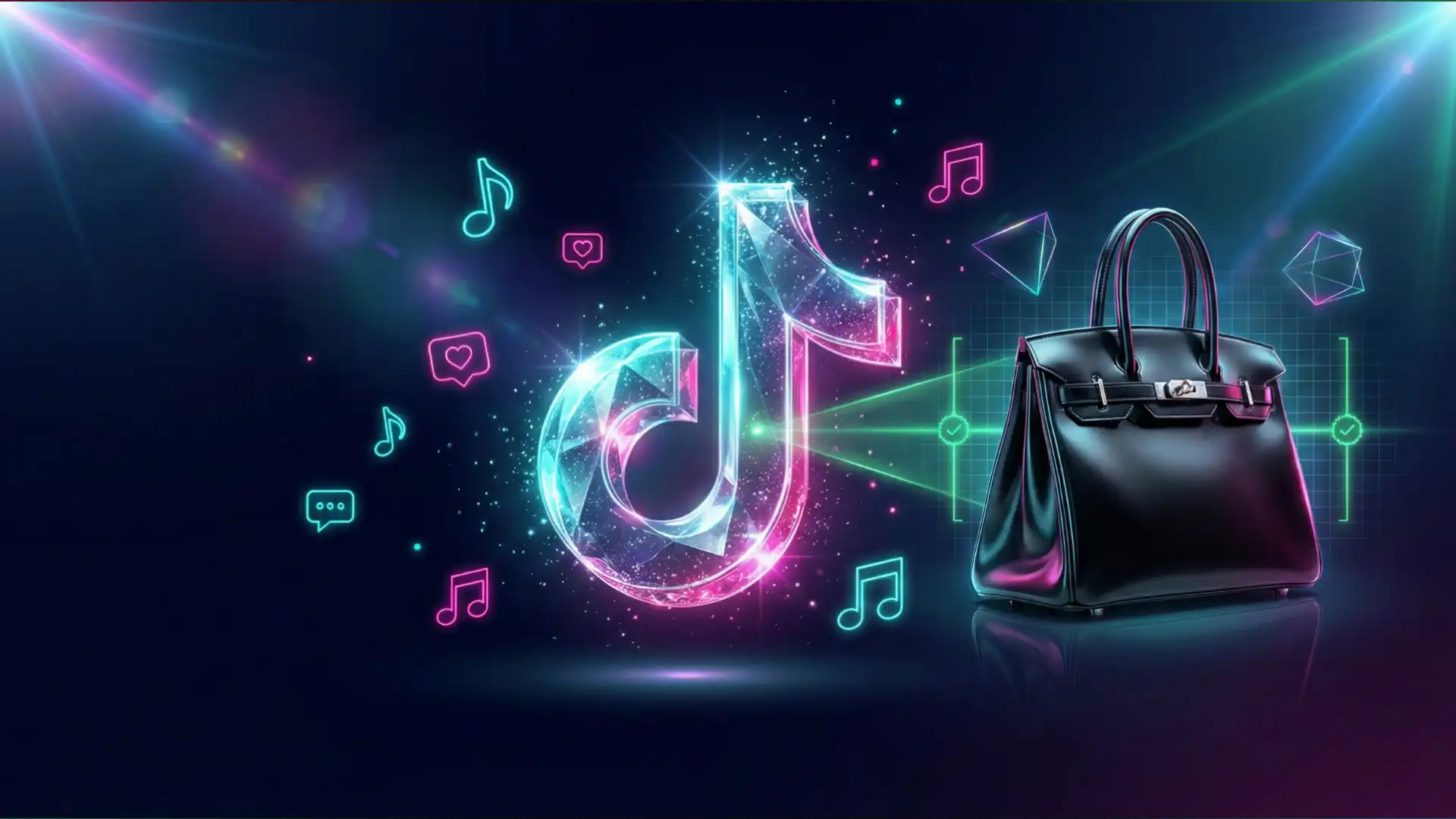
TikTok Shop pivots from budget finds to luxury resale. AI authenticators verify $11K+ handbags, reshaping social commerce for Gen Z.
TikTok Shop Is Selling $20,000 Birkins—And AI Is Making It Happen
TikTok Shop was never supposed to sell Hermès Birkins. When it launched in the US two years ago, the platform was written off as another Temu—a digital dumping ground for $5 gadgets and impulse buys. Fast forward to today, and the same platform is moving $20,000 handbags through livestream auctions, complete with AI-powered authentication systems that verify every stitch.
The transformation is striking. Scroll through TikTok Shop now and you'll find Rolex watches, Chanel bags priced at $11,000, and limited-edition Louis Vuitton x Nike sneakers—most of them pre-owned, all of them authenticated by machine learning algorithms trained on a decade of luxury goods data. What was once considered a race-to-the-bottom marketplace is quietly becoming a high-stakes resale platform where vintage Murakami bags outsell brand-new inventory.
This isn't just about TikTok adding an upscale filter. It's a signal that social commerce is maturing faster than anyone predicted, and that the infrastructure powering it—particularly AI verification systems—is finally sophisticated enough to handle goods where authenticity isn't just important, it's everything.
The Circular Economy Meets the For You Page
The rise of luxury resale on TikTok Shop reflects a broader shift in consumer behavior, particularly among Gen Z. This demographic drives the pre-owned luxury market not out of budget constraints, but out of values: sustainability, uniqueness, and access to vintage pieces that feel more authentic than mass-produced current collections.
TikTok's positioning here is strategic. The platform already functions as a marketing engine for luxury brands—Chanel, Louis Vuitton, and others use it to build cultural relevance through creator partnerships and organic virality. Now, by enabling direct sales through Shop, TikTok is closing the loop between discovery and transaction. The question isn't whether luxury brands are watching this experiment. The question is how long before they bypass resellers entirely and sell direct-to-consumer through the app.
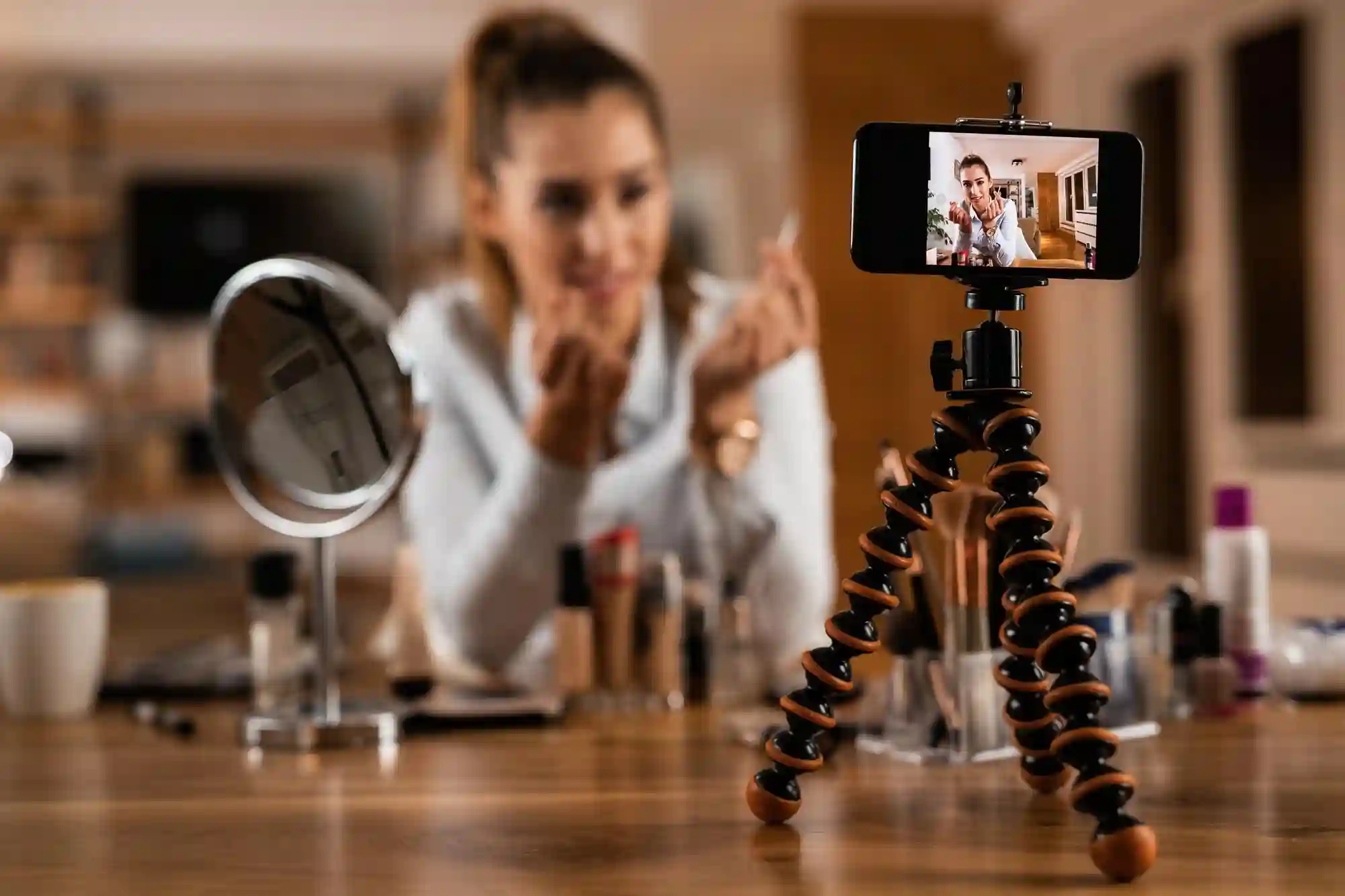
The livestream format adds another dimension. Unlike static product listings on traditional e-commerce sites, TikTok Live turns shopping into entertainment. Sellers host five-hour broadcasts, chatting with buyers through comments, creating bidding wars through live auctions, and replicating the personal touch of boutique shopping—all while algorithms push these streams directly into users' For You feeds. One New York boutique, 17th Street, now generates one-third of its profits through TikTok and routinely pulls in over $30,000 during Sunday livestreams.
AI as the New Certificate of Authenticity
None of this works without trust, and trust at this price point requires more than seller promises. Enter AI authentication.
Companies like Entrupy have built verification systems that use microscopic phone camera attachments to photograph logos, stitching, hardware, and other details of luxury goods. Their algorithms, trained on massive datasets of genuine products and high-quality counterfeits, analyze these images and render instant judgments on authenticity. TikTok requires sellers to provide authentication certificates within 24 hours of receiving an order, or the transaction automatically cancels.
This is where the story becomes about infrastructure, not just commerce. AI authentication solves a problem that has historically limited secondhand luxury markets: the knowledge asymmetry between expert authenticators and everyday buyers. By democratizing verification, these systems make it possible for resellers to operate at scale on platforms like TikTok without the overhead of in-house experts or the delays of third-party inspection services.
The technology isn't foolproof—counterfeiting is an arms race, and AI systems require constant retraining as fakes improve. But it's effective enough that TikTok approved five authentication companies and rejected 1.4 million prospective sellers in the first half of this year alone. The platform also blocked over 70 million product listings before they went live and removed 200,000 restricted items post-listing.
For TikTok, this enforcement layer is critical. The platform's reputation was built on accessibility and virality, not quality control. Moving into luxury means accepting an 8% commission cut in exchange for the liability of hosting five-figure transactions. AI authentication systems offload some of that risk while maintaining the speed and scale that make TikTok Shop viable in the first place.
What This Means for Brands, Platforms, and the Future of Social Selling
TikTok's luxury push reveals several trends that extend beyond one platform:
Social commerce is no longer budget-only. The assumption that platforms like TikTok, Instagram, or YouTube can only support low-cost impulse purchases is outdated. If the discovery mechanism is strong enough and the trust infrastructure exists, consumers will buy high-ticket items through social feeds.
AI authentication is becoming table stakes. As resale markets expand across platforms, verification technology will separate legitimate marketplaces from liability nightmares. Expect more platforms to require or integrate AI authentication for luxury and collectible categories.
Livestreaming is the new storefront. The shift from static listings to live video shopping combines entertainment, social proof, and real-time engagement in ways that traditional e-commerce can't replicate. Brands ignoring this format risk missing where Gen Z and younger millennials are already transacting.
The ban threat didn't slow anything down. Despite ongoing regulatory uncertainty around TikTok's US operations, the company continues expanding Shop internationally and investing in infrastructure. If anything, the potential for a sale or restructuring seems to have accelerated e-commerce ambitions rather than frozen them.
Luxury brands are watching closely. Resellers are testing the market, but if TikTok can demonstrate sustainable luxury sales with strong authentication and minimal fraud, expect first-party brand partnerships to follow. The leap from marketing channel to sales channel is shorter than it appears.
The Bottom Line
TikTok Shop went from dollar-store jokes to $20,000 Birkin sales in under two years because it solved the right problems at the right time: AI made authentication scalable, livestreaming made luxury shopping social, and Gen Z made secondhand desirable. The platform that was supposed to clone Temu is instead building the blueprint for how social commerce handles high-value goods. That's not hype—that's infrastructure meeting culture at exactly the moment both were ready.
Also Read:
TikTok Shop pivots from budget finds to luxury resale. AI authenticators verify $11K+ handbags, reshaping social commerce for Gen Z.
TikTok Shop Is Selling $20,000 Birkins—And AI Is Making It Happen
TikTok Shop was never supposed to sell Hermès Birkins. When it launched in the US two years ago, the platform was written off as another Temu—a digital dumping ground for $5 gadgets and impulse buys. Fast forward to today, and the same platform is moving $20,000 handbags through livestream auctions, complete with AI-powered authentication systems that verify every stitch.
The transformation is striking. Scroll through TikTok Shop now and you'll find Rolex watches, Chanel bags priced at $11,000, and limited-edition Louis Vuitton x Nike sneakers—most of them pre-owned, all of them authenticated by machine learning algorithms trained on a decade of luxury goods data. What was once considered a race-to-the-bottom marketplace is quietly becoming a high-stakes resale platform where vintage Murakami bags outsell brand-new inventory.
This isn't just about TikTok adding an upscale filter. It's a signal that social commerce is maturing faster than anyone predicted, and that the infrastructure powering it—particularly AI verification systems—is finally sophisticated enough to handle goods where authenticity isn't just important, it's everything.
The Circular Economy Meets the For You Page
The rise of luxury resale on TikTok Shop reflects a broader shift in consumer behavior, particularly among Gen Z. This demographic drives the pre-owned luxury market not out of budget constraints, but out of values: sustainability, uniqueness, and access to vintage pieces that feel more authentic than mass-produced current collections.
TikTok's positioning here is strategic. The platform already functions as a marketing engine for luxury brands—Chanel, Louis Vuitton, and others use it to build cultural relevance through creator partnerships and organic virality. Now, by enabling direct sales through Shop, TikTok is closing the loop between discovery and transaction. The question isn't whether luxury brands are watching this experiment. The question is how long before they bypass resellers entirely and sell direct-to-consumer through the app.
The livestream format adds another dimension. Unlike static product listings on traditional e-commerce sites, TikTok Live turns shopping into entertainment. Sellers host five-hour broadcasts, chatting with buyers through comments, creating bidding wars through live auctions, and replicating the personal touch of boutique shopping—all while algorithms push these streams directly into users' For You feeds. One New York boutique, 17th Street, now generates one-third of its profits through TikTok and routinely pulls in over $30,000 during Sunday livestreams.
AI as the New Certificate of Authenticity
None of this works without trust, and trust at this price point requires more than seller promises. Enter AI authentication.
Companies like Entrupy have built verification systems that use microscopic phone camera attachments to photograph logos, stitching, hardware, and other details of luxury goods. Their algorithms, trained on massive datasets of genuine products and high-quality counterfeits, analyze these images and render instant judgments on authenticity. TikTok requires sellers to provide authentication certificates within 24 hours of receiving an order, or the transaction automatically cancels.
This is where the story becomes about infrastructure, not just commerce. AI authentication solves a problem that has historically limited secondhand luxury markets: the knowledge asymmetry between expert authenticators and everyday buyers. By democratizing verification, these systems make it possible for resellers to operate at scale on platforms like TikTok without the overhead of in-house experts or the delays of third-party inspection services.
The technology isn't foolproof—counterfeiting is an arms race, and AI systems require constant retraining as fakes improve. But it's effective enough that TikTok approved five authentication companies and rejected 1.4 million prospective sellers in the first half of this year alone. The platform also blocked over 70 million product listings before they went live and removed 200,000 restricted items post-listing.
For TikTok, this enforcement layer is critical. The platform's reputation was built on accessibility and virality, not quality control. Moving into luxury means accepting an 8% commission cut in exchange for the liability of hosting five-figure transactions. AI authentication systems offload some of that risk while maintaining the speed and scale that make TikTok Shop viable in the first place.
What This Means for Brands, Platforms, and the Future of Social Selling
TikTok's luxury push reveals several trends that extend beyond one platform:
Social commerce is no longer budget-only. The assumption that platforms like TikTok, Instagram, or YouTube can only support low-cost impulse purchases is outdated. If the discovery mechanism is strong enough and the trust infrastructure exists, consumers will buy high-ticket items through social feeds.
AI authentication is becoming table stakes. As resale markets expand across platforms, verification technology will separate legitimate marketplaces from liability nightmares. Expect more platforms to require or integrate AI authentication for luxury and collectible categories.
Livestreaming is the new storefront. The shift from static listings to live video shopping combines entertainment, social proof, and real-time engagement in ways that traditional e-commerce can't replicate. Brands ignoring this format risk missing where Gen Z and younger millennials are already transacting.
The ban threat didn't slow anything down. Despite ongoing regulatory uncertainty around TikTok's US operations, the company continues expanding Shop internationally and investing in infrastructure. If anything, the potential for a sale or restructuring seems to have accelerated e-commerce ambitions rather than frozen them.
Luxury brands are watching closely. Resellers are testing the market, but if TikTok can demonstrate sustainable luxury sales with strong authentication and minimal fraud, expect first-party brand partnerships to follow. The leap from marketing channel to sales channel is shorter than it appears.
The Bottom Line
TikTok Shop went from dollar-store jokes to $20,000 Birkin sales in under two years because it solved the right problems at the right time: AI made authentication scalable, livestreaming made luxury shopping social, and Gen Z made secondhand desirable. The platform that was supposed to clone Temu is instead building the blueprint for how social commerce handles high-value goods. That's not hype—that's infrastructure meeting culture at exactly the moment both were ready.
Also Read:
Other Blogs
Other Blogs
Check our other project Blogs with useful insight and information for your businesses

Other Blogs
Other Blogs
Check our other project Blogs with useful insight and information for your businesses