November 25, 2025
TikTok Shop’s $10B Rise: The QVC-ification of Social Media
November 25, 2025
TikTok Shop’s $10B Rise: The QVC-ification of Social Media
TikTok Shop hit $10 billion in sales by cloning QVC’s DNA. Here’s how AI orchestration and live shopping are reshaping the creator economy.
The Algorithm is the New Host: How TikTok Shop Reinvented QVC for the AI Era
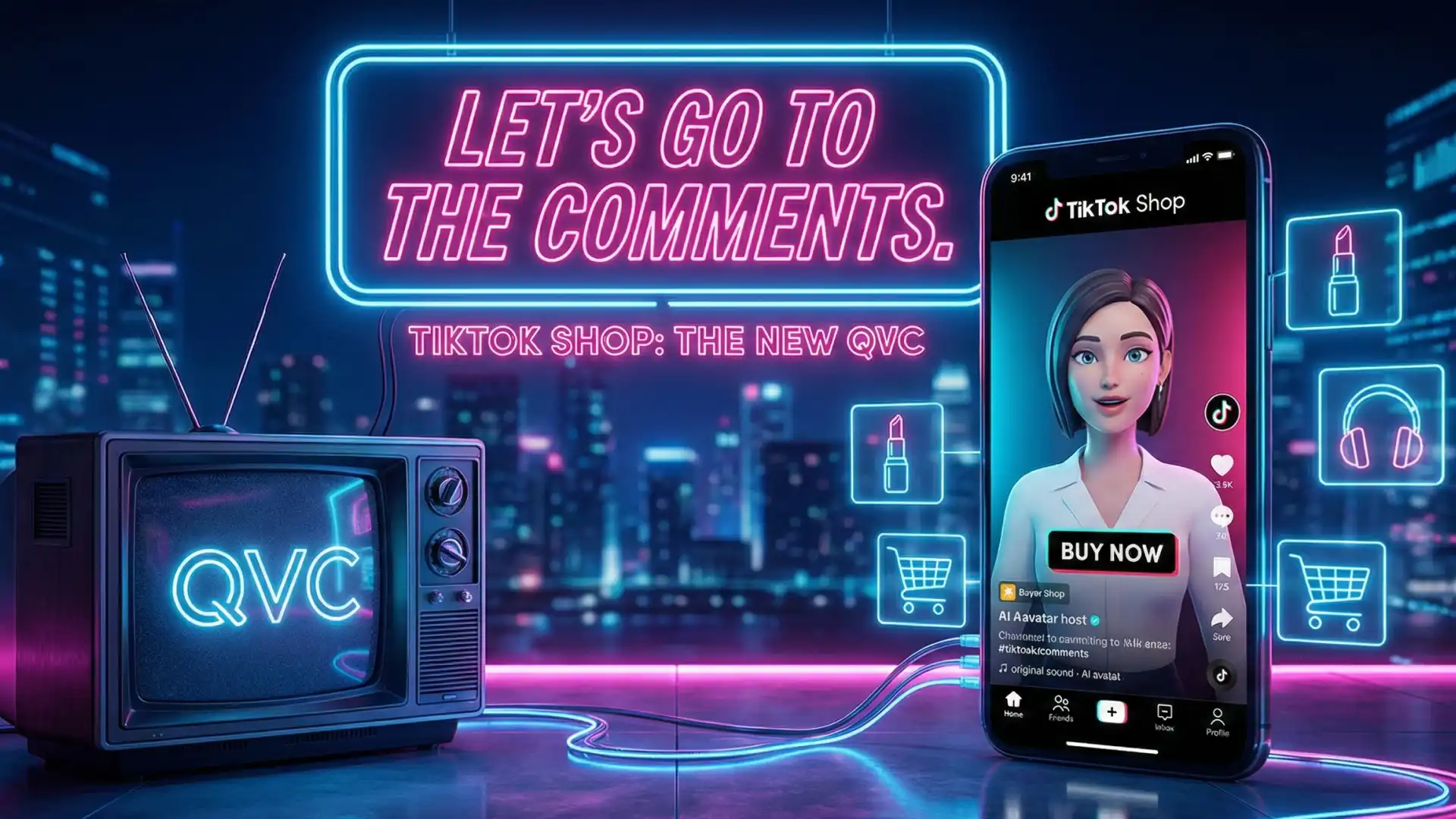
Decades ago, the peak of impulse buying was defined by a simple phrase uttered by a QVC host: "Let's go to the phones". Today, that same dopamine loop has been digitized, accelerated, and algorthmically weaponized. The new catchphrase? "Let's go to the comments".
TikTok Shop is no longer just a quirky experiment; it is a commerce behemoth. Between January and October of this year, the platform processed over $10 billion in sales in the United States alone—doubling its volume from the same period in 2024.
What’s fascinating isn't just the scale, but the survival instinct. This growth happened under the looming shadow of a potential federal ban and amid 10% tariffs on imported goods imposed by President Trump, which temporarily dipped sales by 12% in April before a rapid recovery. While it still trails Amazon’s staggering $638 billion, TikTok Shop has quietly pulled even with eBay and is challenging Etsy's market cap.
The "Shoppertainment" Singularity
The genius of TikTok Shop is that it doesn't try to be Amazon. Amazon is for fulfillment; TikTok is for discovery. The Shop page might mimic Amazon’s mobile layout, but the real volume comes from the "addictive feed of swipeable videos" where commerce is incidental to entertainment.
This is the QVC model evolved. It is a "fusion of interactive advertisements interspersed with dance videos and memes". The irony? The old guard is winning the new game. As of this fall, the highest-earning store on TikTok Shop wasn't a Gen Z beauty startup—it was QVC itself. The network successfully ported its 1990s infomercial blueprint into the vertical video format, proving that the psychology of the "hard sell" remains unchanged, even if the medium has shifted.
AI + AIO: The Invisible Orchestrator
While charismatic influencers are the face of this revolution, Artificial Intelligence is the engine. We are witnessing the rise of AIO (Artificial Intelligence Orchestration) in commerce.
On TikTok, the "algorithm" acts as a real-time AIO agent, matching supply with demand more aggressively than any human merchandiser could. But the integration goes deeper into the seller tools themselves.
Generative Selling: TikTok is actively enticing sellers with free AI tools that write video scripts and, in some cases, generate AI avatars to pitch products 24/7. This removes the "talent" bottleneck, allowing brands to scale content without burning out human creators.
The Algorithmic Feed as Buyer: In traditional SEO, you optimize for a search engine spider. In the AIO era of TikTok, creators are optimizing for an intelligence that understands visual context, audio cues, and user sentiment instantly.
Logistics Automation: Behind the front-end gloss, TikTok is building a logistical empire, operating nine U.S. warehouses to handle storage and packaging—a move that allows their algorithm to prioritize sellers who use their fulfillment network, ensuring faster shipping times.
Strategic Implications for the Market
The success of TikTok Shop signals a shift in how value is created and captured in the digital economy.
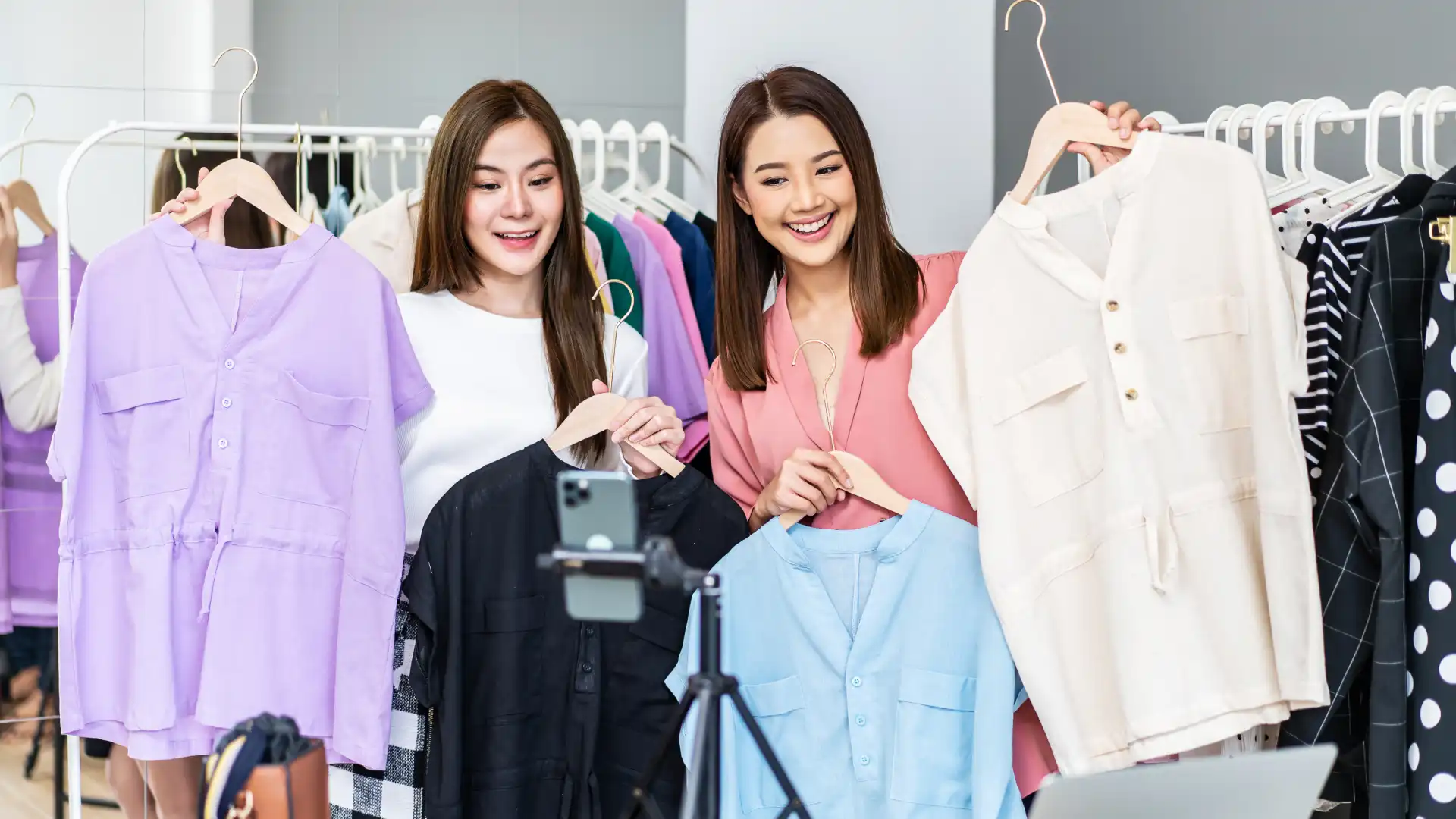
The "Middle Class" Creator Boom: You don't need to be a celebrity to win. Crystal Stewart, a house cleaner who films herself using products, now earns over $30,000 a month. The platform has grown from 170,000 active selling creators to nearly 600,000 in a single year.
Brand Bifurcation: The top sellers are heavily skewed toward beauty (Tarte Cosmetics, Medicube), but major CPG players like Coca-Cola are entering with exclusive drops. Brands must now decide if they are "Amazon brands" (utility/search) or "TikTok brands" (viral/impulse).
Resilience is Key: TikTok’s ability to shrug off tariff hikes and political threats suggests that "addiction" is a stronger economic force than regulation.
The Bottom Line
TikTok didn't just build a store; they built a television network where every commercial is a checkout line. For brands and creators, the lesson is clear: If you aren't selling entertainment, you aren't selling anything.
Check out our Blogs Page for more insights into the future of social commerce.

TikTok Shop hit $10 billion in sales by cloning QVC’s DNA. Here’s how AI orchestration and live shopping are reshaping the creator economy.
The Algorithm is the New Host: How TikTok Shop Reinvented QVC for the AI Era
Decades ago, the peak of impulse buying was defined by a simple phrase uttered by a QVC host: "Let's go to the phones". Today, that same dopamine loop has been digitized, accelerated, and algorthmically weaponized. The new catchphrase? "Let's go to the comments".
TikTok Shop is no longer just a quirky experiment; it is a commerce behemoth. Between January and October of this year, the platform processed over $10 billion in sales in the United States alone—doubling its volume from the same period in 2024.
What’s fascinating isn't just the scale, but the survival instinct. This growth happened under the looming shadow of a potential federal ban and amid 10% tariffs on imported goods imposed by President Trump, which temporarily dipped sales by 12% in April before a rapid recovery. While it still trails Amazon’s staggering $638 billion, TikTok Shop has quietly pulled even with eBay and is challenging Etsy's market cap.
The "Shoppertainment" Singularity
The genius of TikTok Shop is that it doesn't try to be Amazon. Amazon is for fulfillment; TikTok is for discovery. The Shop page might mimic Amazon’s mobile layout, but the real volume comes from the "addictive feed of swipeable videos" where commerce is incidental to entertainment.
This is the QVC model evolved. It is a "fusion of interactive advertisements interspersed with dance videos and memes". The irony? The old guard is winning the new game. As of this fall, the highest-earning store on TikTok Shop wasn't a Gen Z beauty startup—it was QVC itself. The network successfully ported its 1990s infomercial blueprint into the vertical video format, proving that the psychology of the "hard sell" remains unchanged, even if the medium has shifted.
AI + AIO: The Invisible Orchestrator
While charismatic influencers are the face of this revolution, Artificial Intelligence is the engine. We are witnessing the rise of AIO (Artificial Intelligence Orchestration) in commerce.
On TikTok, the "algorithm" acts as a real-time AIO agent, matching supply with demand more aggressively than any human merchandiser could. But the integration goes deeper into the seller tools themselves.
Generative Selling: TikTok is actively enticing sellers with free AI tools that write video scripts and, in some cases, generate AI avatars to pitch products 24/7. This removes the "talent" bottleneck, allowing brands to scale content without burning out human creators.
The Algorithmic Feed as Buyer: In traditional SEO, you optimize for a search engine spider. In the AIO era of TikTok, creators are optimizing for an intelligence that understands visual context, audio cues, and user sentiment instantly.
Logistics Automation: Behind the front-end gloss, TikTok is building a logistical empire, operating nine U.S. warehouses to handle storage and packaging—a move that allows their algorithm to prioritize sellers who use their fulfillment network, ensuring faster shipping times.
Strategic Implications for the Market
The success of TikTok Shop signals a shift in how value is created and captured in the digital economy.
The "Middle Class" Creator Boom: You don't need to be a celebrity to win. Crystal Stewart, a house cleaner who films herself using products, now earns over $30,000 a month. The platform has grown from 170,000 active selling creators to nearly 600,000 in a single year.
Brand Bifurcation: The top sellers are heavily skewed toward beauty (Tarte Cosmetics, Medicube), but major CPG players like Coca-Cola are entering with exclusive drops. Brands must now decide if they are "Amazon brands" (utility/search) or "TikTok brands" (viral/impulse).
Resilience is Key: TikTok’s ability to shrug off tariff hikes and political threats suggests that "addiction" is a stronger economic force than regulation.
The Bottom Line
TikTok didn't just build a store; they built a television network where every commercial is a checkout line. For brands and creators, the lesson is clear: If you aren't selling entertainment, you aren't selling anything.
Check out our Blogs Page for more insights into the future of social commerce.
Other Blogs
Other Blogs
Check our other project Blogs with useful insight and information for your businesses


Other Blogs
Other Blogs
Check our other project Blogs with useful insight and information for your businesses