April 4, 2026
TikTok Removes Israeli Ultranationalist Influencer
April 4, 2026
TikTok Removes Israeli Ultranationalist Influencer
TikTok removed a far-right Israeli influencer after violent videos from the West Bank went viral, highlighting how social platforms shape modern conflicts.
Opening Hook / Context
Modern conflicts don’t just unfold on the ground anymore. They unfold on screens.
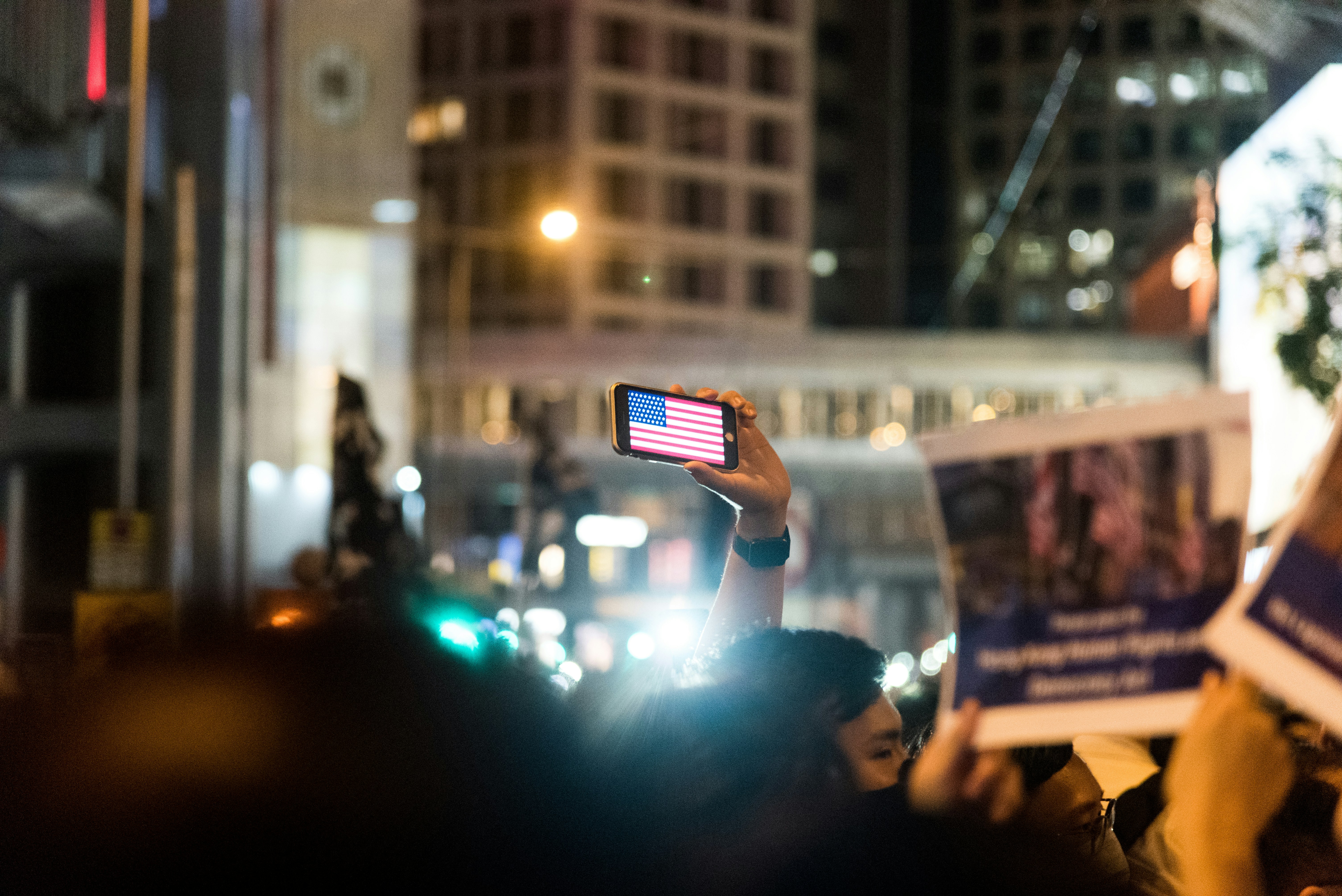
From livestreamed protests to viral battlefield footage, social media platforms have become parallel arenas where narratives, propaganda, and influence compete in real time.
This dynamic came into focus again after TikTok removed the account of Israeli ultranationalist influencer Roi Star following the circulation of videos showing confrontations with activists in the occupied West Bank.
The clips, which spread rapidly across TikTok and Instagram, showed Star confronting Israeli and international activists in the Jordan Valley and, in one widely circulated video, using pepper spray during a confrontation inside a building used by activists.
After the content was flagged, TikTok confirmed that the account had been removed for violating its rules around hate speech, harassment, and violent behavior.
But the removal is only part of the story.
The bigger issue is how social media platforms are increasingly entangled with real-world geopolitical tensions — and how viral content can amplify conflict narratives faster than any traditional media channel ever could.
Deeper Insight / Trend Connection
The rise of political influencers documenting conflict zones is a relatively new phenomenon, but it has accelerated dramatically in recent years.
Activists, settlers, journalists, and civilians are all documenting events with smartphones and publishing them instantly across platforms like TikTok, Instagram, and X.
In the West Bank, these videos have created a kind of digital feedback loop: confrontations are filmed, posted, shared, and debated globally within hours. According to reports reviewed by journalists, dozens of videos circulating online show harassment of Palestinians and confrontations with activists, many of which have gained significant traction on social platforms.
Researchers say this phenomenon reflects a deeper convergence between online engagement systems and real-world political tension.
Digital media scholar Anat Ben-David described the spread of such footage as a “troubling convergence between platform dynamics and on-the-ground violence.”
In other words, the algorithmic mechanics of social platforms — visibility, virality, engagement — can unintentionally amplify moments of conflict.
This isn’t unique to the Israeli-Palestinian context. Similar patterns have appeared in protests in the United States, political unrest in Europe, and conflicts across the Middle East.
But TikTok’s scale makes the impact particularly powerful.
The platform’s algorithm can push a video from a local dispute to millions of viewers worldwide in minutes.
AI + AIO Layer
TikTok’s recommendation engine sits at the center of this dynamic.
Unlike traditional social feeds that rely primarily on follower networks, TikTok’s “For You” algorithm distributes content based on behavioral signals — watch time, comments, shares, and engagement patterns.
That means emotionally intense or controversial videos often spread quickly because they trigger strong reactions.
This is where AI-driven orchestration becomes critical.
Platforms like TikTok rely on layered artificial intelligence systems to manage content moderation at enormous scale:
Machine learning models detect hate speech and violent imagery.
Automated systems flag potentially harmful videos for review.
Human moderators assess context and enforce platform policies.
Algorithmic ranking systems determine how widely content spreads.
In theory, these systems are designed to prevent harmful content from gaining traction.
In practice, they often face a difficult trade-off between speed and accuracy.
Content can go viral before moderation systems intervene, especially during fast-moving political events.
The Star case illustrates this tension clearly: the videos circulated widely before TikTok ultimately removed the account for violating its community guidelines.
As social platforms become global information infrastructure, the challenge is evolving from simple moderation to full-scale information governance.
And AI is increasingly the system tasked with doing that.
Strategic or Industry Implications
The incident highlights several broader challenges for tech platforms, policymakers, and digital media ecosystems.
1. Conflict content travels faster than moderation
Videos filmed in volatile areas can reach global audiences instantly. Even when platforms act, the initial wave of virality may already have shaped public perception.
2. Influencers are becoming political actors
Creators in conflict zones are no longer just commentators. Their content can mobilize supporters, provoke opponents, and shape international narratives.
3. Moderation decisions are becoming geopolitical
Removing accounts tied to political movements can trigger accusations of bias or censorship from different sides of a conflict.
4. Platforms are effectively media regulators
As more people get news from social feeds rather than traditional outlets, companies like TikTok are increasingly responsible for controlling the spread of violent or extremist content.
5. The “camera-first conflict” era has arrived
Conflicts are no longer just documented by journalists. Participants themselves are producing content intended for virality.
That changes both how events unfold and how they are perceived.
The Bottom Line
The removal of one TikTok account might seem like a routine moderation decision.
But it reflects a much larger shift in how modern conflicts are experienced and understood.
Wars and political struggles now have two arenas: the physical one on the ground, and the algorithmic one online.
On the battlefield, power is measured in territory and weapons.
On the platform, it’s measured in views, shares, and engagement.
And in the age of AI-driven distribution, those digital metrics can influence the global narrative of a conflict faster than any press conference ever could.
Also Read:

TikTok removed a far-right Israeli influencer after violent videos from the West Bank went viral, highlighting how social platforms shape modern conflicts.
Opening Hook / Context
Modern conflicts don’t just unfold on the ground anymore. They unfold on screens.
From livestreamed protests to viral battlefield footage, social media platforms have become parallel arenas where narratives, propaganda, and influence compete in real time.
This dynamic came into focus again after TikTok removed the account of Israeli ultranationalist influencer Roi Star following the circulation of videos showing confrontations with activists in the occupied West Bank.
The clips, which spread rapidly across TikTok and Instagram, showed Star confronting Israeli and international activists in the Jordan Valley and, in one widely circulated video, using pepper spray during a confrontation inside a building used by activists.
After the content was flagged, TikTok confirmed that the account had been removed for violating its rules around hate speech, harassment, and violent behavior.
But the removal is only part of the story.
The bigger issue is how social media platforms are increasingly entangled with real-world geopolitical tensions — and how viral content can amplify conflict narratives faster than any traditional media channel ever could.
Deeper Insight / Trend Connection
The rise of political influencers documenting conflict zones is a relatively new phenomenon, but it has accelerated dramatically in recent years.
Activists, settlers, journalists, and civilians are all documenting events with smartphones and publishing them instantly across platforms like TikTok, Instagram, and X.
In the West Bank, these videos have created a kind of digital feedback loop: confrontations are filmed, posted, shared, and debated globally within hours. According to reports reviewed by journalists, dozens of videos circulating online show harassment of Palestinians and confrontations with activists, many of which have gained significant traction on social platforms.
Researchers say this phenomenon reflects a deeper convergence between online engagement systems and real-world political tension.
Digital media scholar Anat Ben-David described the spread of such footage as a “troubling convergence between platform dynamics and on-the-ground violence.”
In other words, the algorithmic mechanics of social platforms — visibility, virality, engagement — can unintentionally amplify moments of conflict.
This isn’t unique to the Israeli-Palestinian context. Similar patterns have appeared in protests in the United States, political unrest in Europe, and conflicts across the Middle East.
But TikTok’s scale makes the impact particularly powerful.
The platform’s algorithm can push a video from a local dispute to millions of viewers worldwide in minutes.
AI + AIO Layer
TikTok’s recommendation engine sits at the center of this dynamic.
Unlike traditional social feeds that rely primarily on follower networks, TikTok’s “For You” algorithm distributes content based on behavioral signals — watch time, comments, shares, and engagement patterns.
That means emotionally intense or controversial videos often spread quickly because they trigger strong reactions.
This is where AI-driven orchestration becomes critical.
Platforms like TikTok rely on layered artificial intelligence systems to manage content moderation at enormous scale:
Machine learning models detect hate speech and violent imagery.
Automated systems flag potentially harmful videos for review.
Human moderators assess context and enforce platform policies.
Algorithmic ranking systems determine how widely content spreads.
In theory, these systems are designed to prevent harmful content from gaining traction.
In practice, they often face a difficult trade-off between speed and accuracy.
Content can go viral before moderation systems intervene, especially during fast-moving political events.
The Star case illustrates this tension clearly: the videos circulated widely before TikTok ultimately removed the account for violating its community guidelines.
As social platforms become global information infrastructure, the challenge is evolving from simple moderation to full-scale information governance.
And AI is increasingly the system tasked with doing that.
Strategic or Industry Implications
The incident highlights several broader challenges for tech platforms, policymakers, and digital media ecosystems.
1. Conflict content travels faster than moderation
Videos filmed in volatile areas can reach global audiences instantly. Even when platforms act, the initial wave of virality may already have shaped public perception.
2. Influencers are becoming political actors
Creators in conflict zones are no longer just commentators. Their content can mobilize supporters, provoke opponents, and shape international narratives.
3. Moderation decisions are becoming geopolitical
Removing accounts tied to political movements can trigger accusations of bias or censorship from different sides of a conflict.
4. Platforms are effectively media regulators
As more people get news from social feeds rather than traditional outlets, companies like TikTok are increasingly responsible for controlling the spread of violent or extremist content.
5. The “camera-first conflict” era has arrived
Conflicts are no longer just documented by journalists. Participants themselves are producing content intended for virality.
That changes both how events unfold and how they are perceived.
The Bottom Line
The removal of one TikTok account might seem like a routine moderation decision.
But it reflects a much larger shift in how modern conflicts are experienced and understood.
Wars and political struggles now have two arenas: the physical one on the ground, and the algorithmic one online.
On the battlefield, power is measured in territory and weapons.
On the platform, it’s measured in views, shares, and engagement.
And in the age of AI-driven distribution, those digital metrics can influence the global narrative of a conflict faster than any press conference ever could.
Also Read:
Other Blogs
Other Blogs
Check our other project Blogs with useful insight and information for your businesses


Other Blogs
Other Blogs
Check our other project Blogs with useful insight and information for your businesses