April 4, 2026
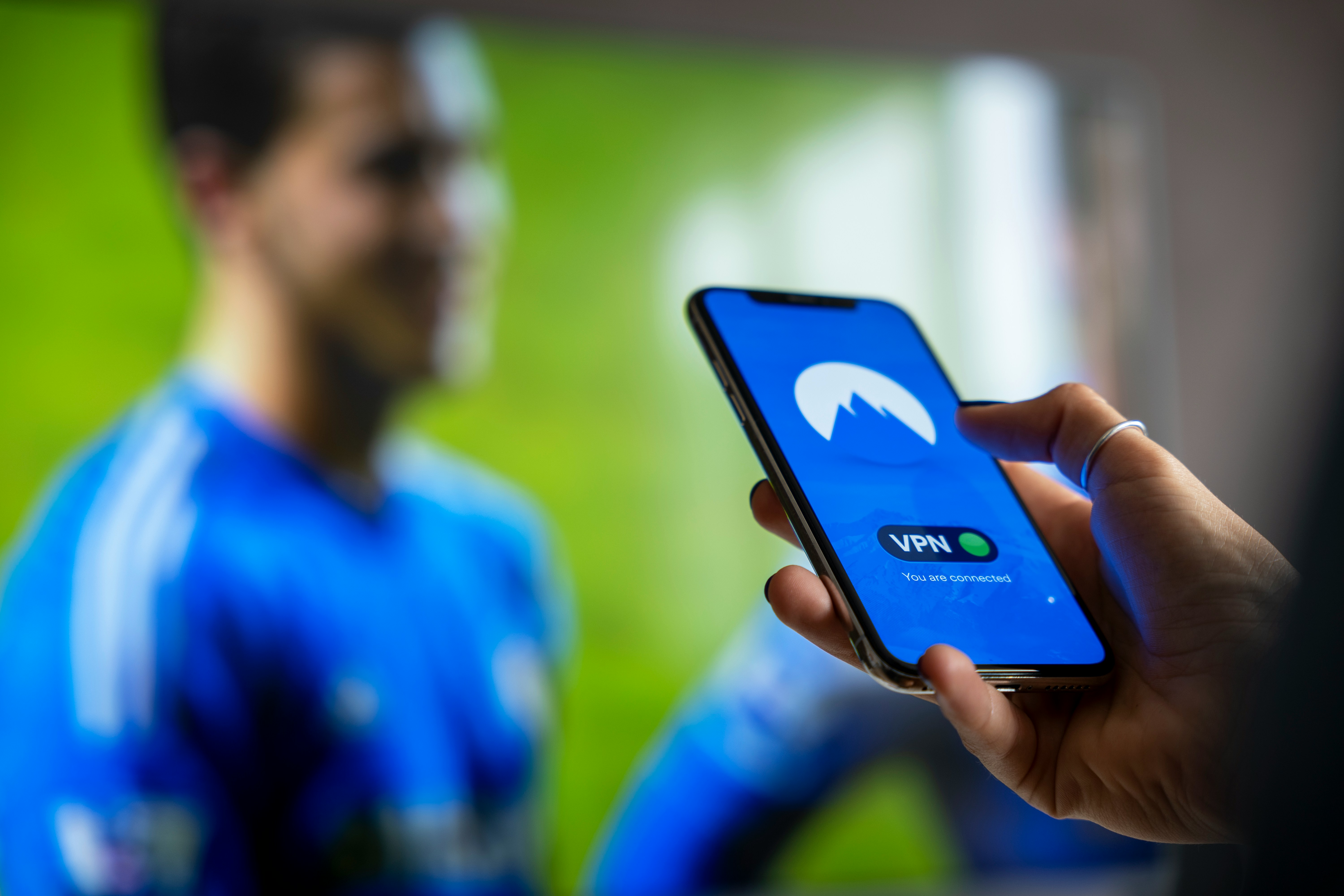
TikTok to Livestream Serie A Match With DAZN
April 4, 2026
TikTok to Livestream Serie A Match With DAZN
DAZN and TikTok will livestream a Serie A match, signaling how sports broadcasting is shifting toward social-first viewing experiences.
Opening Hook / Context
For decades, watching live football meant one thing: television.
Cable networks fought over broadcast rights, fans subscribed to expensive packages, and the viewing experience stayed largely one-directional. You watched the match. The broadcaster talked. The fans reacted somewhere else.
That model is starting to break.
In a move that signals how quickly sports media is evolving, sports streaming platform DAZN is partnering with TikTok to livestream a Serie A match directly on the social platform. On April 6, fans in the UK and Ireland will be able to watch Juventus vs. Genoa live for free via the @DAZNFootball TikTok channel.
At first glance, this might look like a simple promotional experiment. But the reality is bigger: it’s another step toward turning live sports into social-first entertainment.
The match itself matters. But the platform shift might matter even more.
Deeper Insight / Trend Connection
For years, the sports industry has been experimenting with how to reach younger audiences who increasingly live inside social media platforms rather than traditional television.
TikTok sits at the center of that shift.
Instead of a passive broadcast experience, TikTok transforms content into a participatory event. Fans comment in real time, react instantly, remix clips, and amplify moments across their own audiences. A goal isn’t just scored — it becomes a meme, a reaction video, and a viral highlight within seconds.
That dynamic is exactly what DAZN is leaning into.
By bringing a live Serie A fixture to TikTok, the company is reframing the match as a social event rather than just a sports broadcast. Fans aren’t just watching — they’re reacting, commenting, debating, and collectively shaping the atmosphere of the game as it unfolds.
Executives from both companies describe the shift in similar terms: the future of sports viewing is interactive. Fans want to feel like participants in the moment, not just spectators.
In other words, the stadium atmosphere is moving into the comment section.
And platforms know it.
AI + AIO Layer
Behind the scenes, the convergence of sports broadcasting and social platforms is increasingly powered by AI systems that orchestrate the entire digital experience.
TikTok’s recommendation engine is arguably one of the most powerful media-distribution algorithms ever built. It doesn’t simply deliver content; it dynamically analyzes user behavior, engagement patterns, and social signals to decide what millions of people should see next.
When a live match streams on TikTok, that AI layer becomes a massive distribution engine.
A dramatic goal, controversial penalty, or viral fan reaction can be instantly clipped, boosted, and circulated across the platform — all driven by algorithmic signals.
This is where the concept of AIO (Artificial Intelligence Orchestration) becomes important.
Instead of a single broadcast channel controlling distribution, multiple intelligent systems coordinate the experience:
Recommendation algorithms surface the match to the right viewers.
Automated clipping tools detect key moments and generate shareable highlights.
Real-time engagement metrics shape how content spreads across feeds.
AI moderation tools manage massive live comment streams.
The result is a feedback loop where the audience itself becomes part of the broadcast infrastructure.
In a traditional TV model, the audience watched the game.
In a social-AI model, the audience helps amplify it.
Strategic or Industry Implications
The DAZN–TikTok experiment might look small — one match, one platform — but the implications ripple across the entire sports media ecosystem.
For sports leagues, broadcasters, and brands, several shifts are becoming clear.
1. Social platforms are becoming secondary stadiums
Millions of fans already follow games through highlight clips, reaction videos, and live commentary on social media. Streaming matches directly inside those platforms simply removes one more layer of friction.
2. Discovery may become more valuable than subscriptions
Traditional sports economics revolve around paid subscriptions. Social streaming flips that logic. A free livestream on TikTok can reach millions of viewers who would never open a sports app.
The goal becomes audience expansion rather than immediate monetization.
3. Creator-driven sports commentary will grow
TikTok thrives on creators. When live sports enter that ecosystem, commentary will increasingly come from influencers, fan communities, and independent analysts rather than just official broadcasters.
The sports broadcast booth may soon include the creator economy.
4. Interactive viewing will become standard
Polls, live chats, reactions, and co-viewing experiences are becoming core features of digital sports platforms. The future of watching a match may feel closer to a multiplayer event than a television show.
5. Rights holders are testing new distribution models
Sports rights deals are historically rigid and expensive. Experiments like this suggest leagues are exploring hybrid strategies that mix premium broadcasting with social discovery.
Expect more limited live events on social platforms as testing grounds.
The Bottom Line
The DAZN–TikTok livestream is less about one football match and more about the next phase of sports media.
Football used to live on television.
Then it moved to streaming platforms.
Now it’s entering algorithm-driven social ecosystems where distribution, conversation, and fandom happen simultaneously.
The real transformation isn’t just where the match is watched — it’s how the audience participates.
And in the age of AI-powered platforms, the loudest stadium might not be the one in the city.
It might be the comment section.
Also read:
DAZN and TikTok will livestream a Serie A match, signaling how sports broadcasting is shifting toward social-first viewing experiences.
Opening Hook / Context
For decades, watching live football meant one thing: television.
Cable networks fought over broadcast rights, fans subscribed to expensive packages, and the viewing experience stayed largely one-directional. You watched the match. The broadcaster talked. The fans reacted somewhere else.
That model is starting to break.
In a move that signals how quickly sports media is evolving, sports streaming platform DAZN is partnering with TikTok to livestream a Serie A match directly on the social platform. On April 6, fans in the UK and Ireland will be able to watch Juventus vs. Genoa live for free via the @DAZNFootball TikTok channel.
At first glance, this might look like a simple promotional experiment. But the reality is bigger: it’s another step toward turning live sports into social-first entertainment.
The match itself matters. But the platform shift might matter even more.
Deeper Insight / Trend Connection
For years, the sports industry has been experimenting with how to reach younger audiences who increasingly live inside social media platforms rather than traditional television.
TikTok sits at the center of that shift.
Instead of a passive broadcast experience, TikTok transforms content into a participatory event. Fans comment in real time, react instantly, remix clips, and amplify moments across their own audiences. A goal isn’t just scored — it becomes a meme, a reaction video, and a viral highlight within seconds.
That dynamic is exactly what DAZN is leaning into.
By bringing a live Serie A fixture to TikTok, the company is reframing the match as a social event rather than just a sports broadcast. Fans aren’t just watching — they’re reacting, commenting, debating, and collectively shaping the atmosphere of the game as it unfolds.
Executives from both companies describe the shift in similar terms: the future of sports viewing is interactive. Fans want to feel like participants in the moment, not just spectators.
In other words, the stadium atmosphere is moving into the comment section.
And platforms know it.
AI + AIO Layer
Behind the scenes, the convergence of sports broadcasting and social platforms is increasingly powered by AI systems that orchestrate the entire digital experience.
TikTok’s recommendation engine is arguably one of the most powerful media-distribution algorithms ever built. It doesn’t simply deliver content; it dynamically analyzes user behavior, engagement patterns, and social signals to decide what millions of people should see next.
When a live match streams on TikTok, that AI layer becomes a massive distribution engine.
A dramatic goal, controversial penalty, or viral fan reaction can be instantly clipped, boosted, and circulated across the platform — all driven by algorithmic signals.
This is where the concept of AIO (Artificial Intelligence Orchestration) becomes important.
Instead of a single broadcast channel controlling distribution, multiple intelligent systems coordinate the experience:
Recommendation algorithms surface the match to the right viewers.
Automated clipping tools detect key moments and generate shareable highlights.
Real-time engagement metrics shape how content spreads across feeds.
AI moderation tools manage massive live comment streams.
The result is a feedback loop where the audience itself becomes part of the broadcast infrastructure.
In a traditional TV model, the audience watched the game.
In a social-AI model, the audience helps amplify it.
Strategic or Industry Implications
The DAZN–TikTok experiment might look small — one match, one platform — but the implications ripple across the entire sports media ecosystem.
For sports leagues, broadcasters, and brands, several shifts are becoming clear.
1. Social platforms are becoming secondary stadiums
Millions of fans already follow games through highlight clips, reaction videos, and live commentary on social media. Streaming matches directly inside those platforms simply removes one more layer of friction.
2. Discovery may become more valuable than subscriptions
Traditional sports economics revolve around paid subscriptions. Social streaming flips that logic. A free livestream on TikTok can reach millions of viewers who would never open a sports app.
The goal becomes audience expansion rather than immediate monetization.
3. Creator-driven sports commentary will grow
TikTok thrives on creators. When live sports enter that ecosystem, commentary will increasingly come from influencers, fan communities, and independent analysts rather than just official broadcasters.
The sports broadcast booth may soon include the creator economy.
4. Interactive viewing will become standard
Polls, live chats, reactions, and co-viewing experiences are becoming core features of digital sports platforms. The future of watching a match may feel closer to a multiplayer event than a television show.
5. Rights holders are testing new distribution models
Sports rights deals are historically rigid and expensive. Experiments like this suggest leagues are exploring hybrid strategies that mix premium broadcasting with social discovery.
Expect more limited live events on social platforms as testing grounds.
The Bottom Line
The DAZN–TikTok livestream is less about one football match and more about the next phase of sports media.
Football used to live on television.
Then it moved to streaming platforms.
Now it’s entering algorithm-driven social ecosystems where distribution, conversation, and fandom happen simultaneously.
The real transformation isn’t just where the match is watched — it’s how the audience participates.
And in the age of AI-powered platforms, the loudest stadium might not be the one in the city.
It might be the comment section.
Also read:
Other Blogs
Other Blogs
Check our other project Blogs with useful insight and information for your businesses
Other Blogs
Other Blogs
Check our other project Blogs with useful insight and information for your businesses