
December 1, 2025
TikTok Shop Tightens USPS Shipping Rules for Sellers
December 1, 2025
TikTok Shop Tightens USPS Shipping Rules for Sellers
TikTok Shop now requires USPS labels to be purchased in-app, signaling a deeper push into platform-controlled logistics.
TikTok Shop’s New USPS Rule Signals the Platformization of Logistics
Opening Hook / Context
TikTok Shop is no longer just experimenting with e-commerce — it’s tightening its grip on the supply chain itself. Starting January, sellers using the U.S. Postal Service will be required to purchase and print their USPS labels directly through TikTok Shipping. Any labels generated outside the platform — from Shopify, ShipStation, USPS.com, or other third-party tools — will be automatically rejected.
For sellers, the announcement landed with a mix of frustration and inevitability. TikTok didn’t provide a formal explanation, but the message is unmistakable: the platform is centralizing logistics control the same way it once centralized content distribution.
Sellers have until Dec. 31 to switch systems or risk fulfillment failures. It’s a small deadline with big implications. TikTok Shop is pushing U.S. e-commerce closer to a world where the platform doesn’t just mediate transactions — it owns the rails they run on.
Deeper Insight / Trend Connection
If the last five years were about platforms becoming storefronts, the next five are about platforms becoming shipping networks. TikTok’s USPS rule mirrors a larger trend: platform-enclosed ecosystems where discovery, checkout, payments, and now logistics are fully controlled.
It’s the same strategic architecture behind Amazon’s private carrier network, Shein’s vertically integrated supply chain, and Temu’s aggressive logistics standardization. By consolidating how sellers print labels, TikTok gains leverage over pricing, delivery performance, dispute resolution, and data — especially data.
Logistics is the final frontier of platform power. The moment a marketplace can dictate the carrier, the label type, and the tracking flow is the moment it begins to operate not like a marketplace, but like a hybrid retailer with end-to-end visibility.
This shift is already visible in TikTok Shop’s broader moves: subsidized shipping rates, integrated fulfillment options, and a push toward hybrid fulfillment models. The USPS policy change is just the most explicit signal yet that TikTok wants consistency and predictability, even if it means discomfort for sellers.
AI + AIO Layer
Under the surface, this is an AI story as much as a logistics one. When a platform controls label creation, it controls every data point tied to order movement: timestamps, geography, carrier selection, scan patterns, and delivery windows. These inputs are the raw material for intelligent orchestration — the backbone of an AIO system.
With standardized USPS labels flowing through TikTok Shipping, the platform can:
Predict carrier delays with higher accuracy.
Automate dispute resolution using delivery confidence scores.
Optimize routing and shipping recommendations per seller.
Flag abnormal fulfillment behavior using anomaly detection models.
Generate AI-driven shipping cost guidance for small sellers.
This is how platforms build intelligence: not by collecting more data, but by collecting the same data in a consistent format at scale.
By forcing USPS labels into a unified channel, TikTok is laying the groundwork for automated logistics management — a precursor to AI-guided fulfillment decisions that can nudge sellers toward cost-efficient or performance-aligned shipping behaviors.
As the creator economy grows more transactional, AI isn’t just shaping content discovery — it’s shaping the movement of physical goods behind that content.
Strategic or Industry Implications
The logistics ripple effects of TikTok Shop’s decision will shape how brands, 3PLs, and sellers operate in 2026 and beyond. The implications aren’t minor; they mark a new phase in platform-governed commerce.
1. Sellers face higher dependency on platform tools.
External shipping tools have been a lifeline for e-commerce operators. Removing USPS flexibility gives TikTok greater control — and reduces seller optionality.
2. A hybrid fulfillment model becomes the norm.
Experts are already predicting a split strategy: USPS labels via TikTok for cost efficiency, and UPS or FedEx outside the platform for reliability and control. Sellers will need operational maturity to juggle both.
3. Cost pressures will increase for lightweight products.
Many small-item businesses rely on USPS for affordable shipping. If TikTok’s label rates don’t match the economics of third-party systems, sellers will face margin compression — or pass costs to buyers.
4. 3PLs will have to retool their workflows.
Providers that batch-print labels across marketplaces will need new processes, new software, and potentially new contracts. Some, like Axion, are choosing to opt out entirely, shifting TikTok orders to private carriers.
5. Platforms are quietly rewriting the rules of shipping.
This isn’t just a TikTok story. It’s a sign of where social commerce is heading: closed-loop systems where the platform dictates how goods move. Sellers who rely on flexible logistics will find themselves negotiating with algorithmic constraints rather than carrier reps.
6. AI-driven logistics recommendations are coming next.
Once TikTok has full visibility into USPS flows, expect product prompts like:
“Based on weight and region, UPS Ground will deliver faster with similar cost.”
It’s not speculation — it’s the logical extension of intelligent orchestration layered on top of standardised shipping data.
7. Regulators may start paying attention.
When platforms begin dictating carrier-level decisions, questions arise: is this logistical optimisation or soft exclusivity? Policy conversations around commerce control are likely to accelerate.
The Bottom Line
TikTok Shop’s USPS rule isn’t just a policy tweak it’s the clearest sign yet that platforms want to own the entire commerce pipeline, from algorithmic discovery to the shipping label on the box. As AI-driven logistics orchestration becomes a competitive differentiation, marketplaces will keep tightening control in pursuit of consistency, intelligence, and margin efficiency.
The future of e-commerce won’t be decided by who has the best feed or checkout flow. It will be decided by who controls the moment a package enters the postal system. TikTok just made its move.
Also read:
TikTok Shop’s New USPS Rule Signals the Platformization of Logistics
Opening Hook / Context
TikTok Shop is no longer just experimenting with e-commerce — it’s tightening its grip on the supply chain itself. Starting January, sellers using the U.S. Postal Service will be required to purchase and print their USPS labels directly through TikTok Shipping. Any labels generated outside the platform — from Shopify, ShipStation, USPS.com, or other third-party tools — will be automatically rejected.
For sellers, the announcement landed with a mix of frustration and inevitability. TikTok didn’t provide a formal explanation, but the message is unmistakable: the platform is centralizing logistics control the same way it once centralized content distribution.
Sellers have until Dec. 31 to switch systems or risk fulfillment failures. It’s a small deadline with big implications. TikTok Shop is pushing U.S. e-commerce closer to a world where the platform doesn’t just mediate transactions — it owns the rails they run on.
Deeper Insight / Trend Connection
If the last five years were about platforms becoming storefronts, the next five are about platforms becoming shipping networks. TikTok’s USPS rule mirrors a larger trend: platform-enclosed ecosystems where discovery, checkout, payments, and now logistics are fully controlled.
It’s the same strategic architecture behind Amazon’s private carrier network, Shein’s vertically integrated supply chain, and Temu’s aggressive logistics standardization. By consolidating how sellers print labels, TikTok gains leverage over pricing, delivery performance, dispute resolution, and data — especially data.
Logistics is the final frontier of platform power. The moment a marketplace can dictate the carrier, the label type, and the tracking flow is the moment it begins to operate not like a marketplace, but like a hybrid retailer with end-to-end visibility.
This shift is already visible in TikTok Shop’s broader moves: subsidized shipping rates, integrated fulfillment options, and a push toward hybrid fulfillment models. The USPS policy change is just the most explicit signal yet that TikTok wants consistency and predictability, even if it means discomfort for sellers.
AI + AIO Layer
Under the surface, this is an AI story as much as a logistics one. When a platform controls label creation, it controls every data point tied to order movement: timestamps, geography, carrier selection, scan patterns, and delivery windows. These inputs are the raw material for intelligent orchestration — the backbone of an AIO system.
With standardized USPS labels flowing through TikTok Shipping, the platform can:
Predict carrier delays with higher accuracy.
Automate dispute resolution using delivery confidence scores.
Optimize routing and shipping recommendations per seller.
Flag abnormal fulfillment behavior using anomaly detection models.
Generate AI-driven shipping cost guidance for small sellers.
This is how platforms build intelligence: not by collecting more data, but by collecting the same data in a consistent format at scale.
By forcing USPS labels into a unified channel, TikTok is laying the groundwork for automated logistics management — a precursor to AI-guided fulfillment decisions that can nudge sellers toward cost-efficient or performance-aligned shipping behaviors.
As the creator economy grows more transactional, AI isn’t just shaping content discovery — it’s shaping the movement of physical goods behind that content.
Strategic or Industry Implications
The logistics ripple effects of TikTok Shop’s decision will shape how brands, 3PLs, and sellers operate in 2026 and beyond. The implications aren’t minor; they mark a new phase in platform-governed commerce.
1. Sellers face higher dependency on platform tools.
External shipping tools have been a lifeline for e-commerce operators. Removing USPS flexibility gives TikTok greater control — and reduces seller optionality.
2. A hybrid fulfillment model becomes the norm.
Experts are already predicting a split strategy: USPS labels via TikTok for cost efficiency, and UPS or FedEx outside the platform for reliability and control. Sellers will need operational maturity to juggle both.
3. Cost pressures will increase for lightweight products.
Many small-item businesses rely on USPS for affordable shipping. If TikTok’s label rates don’t match the economics of third-party systems, sellers will face margin compression — or pass costs to buyers.
4. 3PLs will have to retool their workflows.
Providers that batch-print labels across marketplaces will need new processes, new software, and potentially new contracts. Some, like Axion, are choosing to opt out entirely, shifting TikTok orders to private carriers.
5. Platforms are quietly rewriting the rules of shipping.
This isn’t just a TikTok story. It’s a sign of where social commerce is heading: closed-loop systems where the platform dictates how goods move. Sellers who rely on flexible logistics will find themselves negotiating with algorithmic constraints rather than carrier reps.
6. AI-driven logistics recommendations are coming next.
Once TikTok has full visibility into USPS flows, expect product prompts like:
“Based on weight and region, UPS Ground will deliver faster with similar cost.”
It’s not speculation — it’s the logical extension of intelligent orchestration layered on top of standardised shipping data.
7. Regulators may start paying attention.
When platforms begin dictating carrier-level decisions, questions arise: is this logistical optimisation or soft exclusivity? Policy conversations around commerce control are likely to accelerate.
The Bottom Line
TikTok Shop’s USPS rule isn’t just a policy tweak it’s the clearest sign yet that platforms want to own the entire commerce pipeline, from algorithmic discovery to the shipping label on the box. As AI-driven logistics orchestration becomes a competitive differentiation, marketplaces will keep tightening control in pursuit of consistency, intelligence, and margin efficiency.
The future of e-commerce won’t be decided by who has the best feed or checkout flow. It will be decided by who controls the moment a package enters the postal system. TikTok just made its move.
Also read:
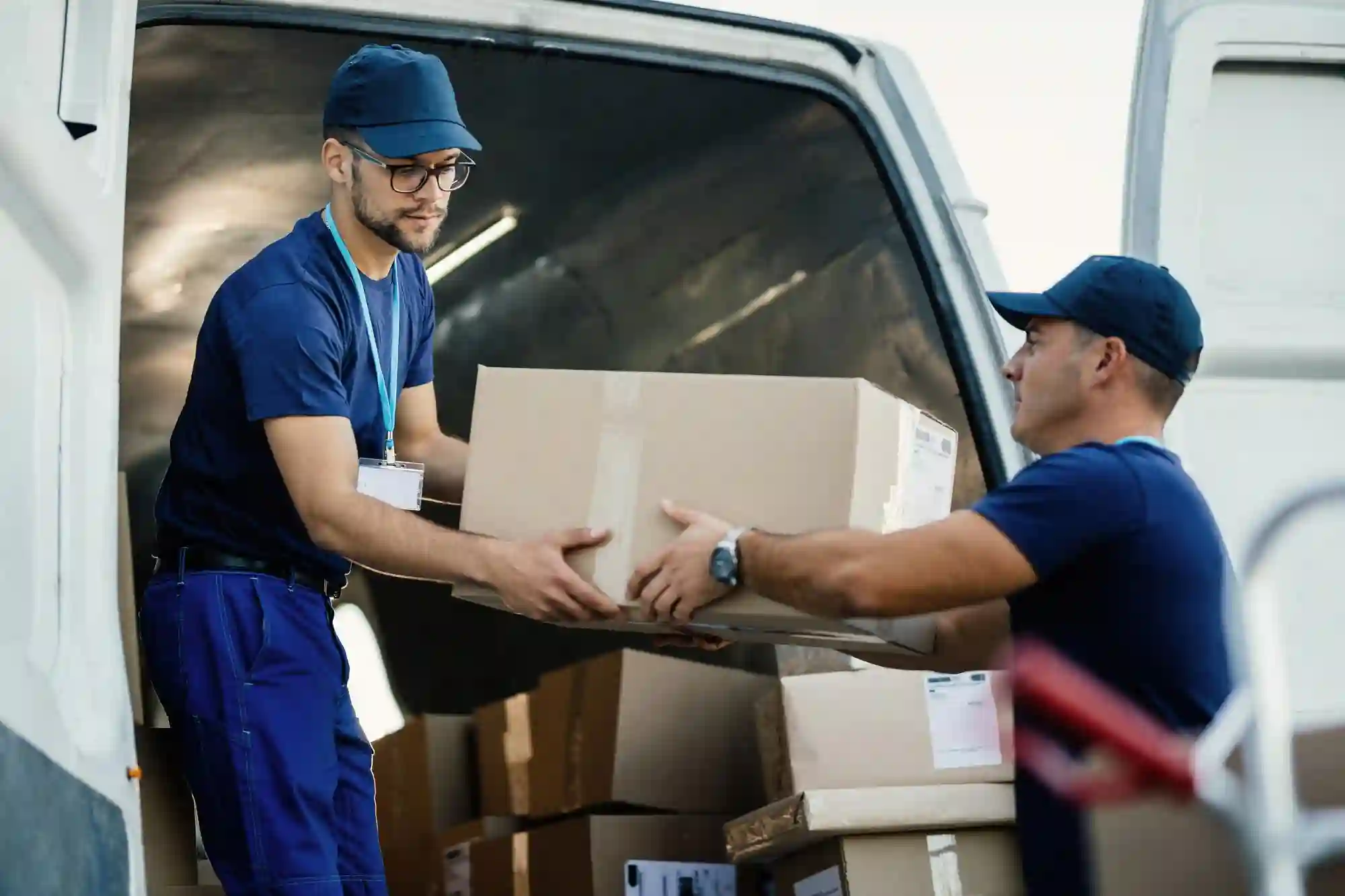

TikTok Shop now requires USPS labels to be purchased in-app, signaling a deeper push into platform-controlled logistics.
TikTok Shop’s New USPS Rule Signals the Platformization of Logistics
Opening Hook / Context
TikTok Shop is no longer just experimenting with e-commerce — it’s tightening its grip on the supply chain itself. Starting January, sellers using the U.S. Postal Service will be required to purchase and print their USPS labels directly through TikTok Shipping. Any labels generated outside the platform — from Shopify, ShipStation, USPS.com, or other third-party tools — will be automatically rejected.
For sellers, the announcement landed with a mix of frustration and inevitability. TikTok didn’t provide a formal explanation, but the message is unmistakable: the platform is centralizing logistics control the same way it once centralized content distribution.
Sellers have until Dec. 31 to switch systems or risk fulfillment failures. It’s a small deadline with big implications. TikTok Shop is pushing U.S. e-commerce closer to a world where the platform doesn’t just mediate transactions — it owns the rails they run on.
Deeper Insight / Trend Connection
If the last five years were about platforms becoming storefronts, the next five are about platforms becoming shipping networks. TikTok’s USPS rule mirrors a larger trend: platform-enclosed ecosystems where discovery, checkout, payments, and now logistics are fully controlled.
It’s the same strategic architecture behind Amazon’s private carrier network, Shein’s vertically integrated supply chain, and Temu’s aggressive logistics standardization. By consolidating how sellers print labels, TikTok gains leverage over pricing, delivery performance, dispute resolution, and data — especially data.
Logistics is the final frontier of platform power. The moment a marketplace can dictate the carrier, the label type, and the tracking flow is the moment it begins to operate not like a marketplace, but like a hybrid retailer with end-to-end visibility.
This shift is already visible in TikTok Shop’s broader moves: subsidized shipping rates, integrated fulfillment options, and a push toward hybrid fulfillment models. The USPS policy change is just the most explicit signal yet that TikTok wants consistency and predictability, even if it means discomfort for sellers.
AI + AIO Layer
Under the surface, this is an AI story as much as a logistics one. When a platform controls label creation, it controls every data point tied to order movement: timestamps, geography, carrier selection, scan patterns, and delivery windows. These inputs are the raw material for intelligent orchestration — the backbone of an AIO system.
With standardized USPS labels flowing through TikTok Shipping, the platform can:
Predict carrier delays with higher accuracy.
Automate dispute resolution using delivery confidence scores.
Optimize routing and shipping recommendations per seller.
Flag abnormal fulfillment behavior using anomaly detection models.
Generate AI-driven shipping cost guidance for small sellers.
This is how platforms build intelligence: not by collecting more data, but by collecting the same data in a consistent format at scale.
By forcing USPS labels into a unified channel, TikTok is laying the groundwork for automated logistics management — a precursor to AI-guided fulfillment decisions that can nudge sellers toward cost-efficient or performance-aligned shipping behaviors.
As the creator economy grows more transactional, AI isn’t just shaping content discovery — it’s shaping the movement of physical goods behind that content.
Strategic or Industry Implications
The logistics ripple effects of TikTok Shop’s decision will shape how brands, 3PLs, and sellers operate in 2026 and beyond. The implications aren’t minor; they mark a new phase in platform-governed commerce.
1. Sellers face higher dependency on platform tools.
External shipping tools have been a lifeline for e-commerce operators. Removing USPS flexibility gives TikTok greater control — and reduces seller optionality.
2. A hybrid fulfillment model becomes the norm.
Experts are already predicting a split strategy: USPS labels via TikTok for cost efficiency, and UPS or FedEx outside the platform for reliability and control. Sellers will need operational maturity to juggle both.
3. Cost pressures will increase for lightweight products.
Many small-item businesses rely on USPS for affordable shipping. If TikTok’s label rates don’t match the economics of third-party systems, sellers will face margin compression — or pass costs to buyers.
4. 3PLs will have to retool their workflows.
Providers that batch-print labels across marketplaces will need new processes, new software, and potentially new contracts. Some, like Axion, are choosing to opt out entirely, shifting TikTok orders to private carriers.
5. Platforms are quietly rewriting the rules of shipping.
This isn’t just a TikTok story. It’s a sign of where social commerce is heading: closed-loop systems where the platform dictates how goods move. Sellers who rely on flexible logistics will find themselves negotiating with algorithmic constraints rather than carrier reps.
6. AI-driven logistics recommendations are coming next.
Once TikTok has full visibility into USPS flows, expect product prompts like:
“Based on weight and region, UPS Ground will deliver faster with similar cost.”
It’s not speculation — it’s the logical extension of intelligent orchestration layered on top of standardised shipping data.
7. Regulators may start paying attention.
When platforms begin dictating carrier-level decisions, questions arise: is this logistical optimisation or soft exclusivity? Policy conversations around commerce control are likely to accelerate.
The Bottom Line
TikTok Shop’s USPS rule isn’t just a policy tweak it’s the clearest sign yet that platforms want to own the entire commerce pipeline, from algorithmic discovery to the shipping label on the box. As AI-driven logistics orchestration becomes a competitive differentiation, marketplaces will keep tightening control in pursuit of consistency, intelligence, and margin efficiency.
The future of e-commerce won’t be decided by who has the best feed or checkout flow. It will be decided by who controls the moment a package enters the postal system. TikTok just made its move.
Also read:
Other Blogs
Other Blogs
Check our other project Blogs with useful insight and information for your businesses



Other Blogs
Other Blogs
Check our other project Blogs with useful insight and information for your businesses