
November 7, 2025
TikTok Shop’s AI Fraud War: Fighting ‘Organized Crime’
November 7, 2025
TikTok Shop’s AI Fraud War: Fighting ‘Organized Crime’
TikTok Shop is using AI to fight a new wave of sophisticated, AI-generated scammers. This is the new front in the e-commerce integrity wars.
TikTok Shop’s AI Fraud War: Inside the Fight Against ‘Organized Crime’
The AI "slop" problem isn't just clogging your search results anymore—it's coming for your shopping cart. Generative AI has officially become a serious headache for TikTok Shop, spawning a new, sophisticated class of digital fraudsters.
According to TikTok Shop executive Nicolas Waldmann, the platform is fighting a wave of bad actors using AI to generate fake brands, list "dupe" products, and sell goods that simply don't exist. This isn't just a few rogue sellers. "It's organized crime," Waldmann said, describing operations where scammers take the money and run, never delivering a product. While e-commerce fraud is old, generative AI has supercharged the methods, making fake listings more convincing and scalable than ever before.
Deeper Insight / Trend Connection
This signals a critical escalation in the platform trust and safety war. For years, moderation was about spotting bad humans. Now, it's about spotting bad AI. Generative AI dramatically lowers the barrier to entry for criminals, allowing them to create thousands of plausible-looking fake product listings, complete with unique branding and descriptions, at virtually no cost.
This problem isn't unique to TikTok; Amazon has been vocal about its own AI-powered fight against counterfeits. But for TikTok Shop, the stakes are different. Its entire model is built on high-velocity social commerce, where trends and impulsive buys are the engine. That speed makes it a prime target. If the "feed" becomes indistinguishable from fraud, the entire multi-billion-dollar social commerce experiment is at risk.
An AI Arms Race
The only viable response to AI-driven fraud is, paradoxically, better AI. As Waldmann put it, "We use AI to basically deal with AI."
This is the new front line: an AI-versus-AI arms race in the marketplace. TikTok is deploying its own in-house detection tools, layered with external partnerships, to create an AI Orchestration (AIO) system for governance. This isn't one single model; it's a suite of systems working in concert to:
Detect AI-generated "slop" used to create fake listings at scale.
Authenticate high-risk items, like pre-owned luxury goods.
Flag and remove fraudulent sellers before they can make significant sales.
The company's new report—stating it rejected 70 million products and removed 700,000 sellers in the first half of 2025—is less a victory lap and more a statement of permanent, automated warfare.
Strategic or Industry Implications
This shift from human-led to AI-led moderation has massive implications for brands, sellers, and the platforms themselves.
Trust Becomes Technical: Consumer trust is no longer just about brand reputation; it's about the verifiable integrity of the platform's anti-fraud AI. Platforms that lose this AI arms race will bleed users and legitimate brands.
The “False Positive” Nightmare: For legitimate sellers, the new risk is being wrongly flagged by an overzealous automated system. As TikTok has learned, appealing a ban from an AI is a frustrating experience that can kill a small business.
Authentication as a Service: Expect a boom in third-party AI firms that specialize in digital and physical authentication. Platforms will increasingly outsource this, creating a new "trust stack" for e-commerce.
The Human-in-the-Loop: AI will handle 99.9% of the volume, but skilled human moderators will become more valuable, not less. They will be the high-level operators managing the AI systems and handling the most complex fraud cases.
The Bottom Line: The Authenticity Layer
As generative AI makes the internet infinitely creative, it also makes it infinitely fraudulent. The future of social commerce won't be defined by who has the best algorithm for discovery, but by who has the most robust AI for defense. Trust is now an automated system.
Also Read:

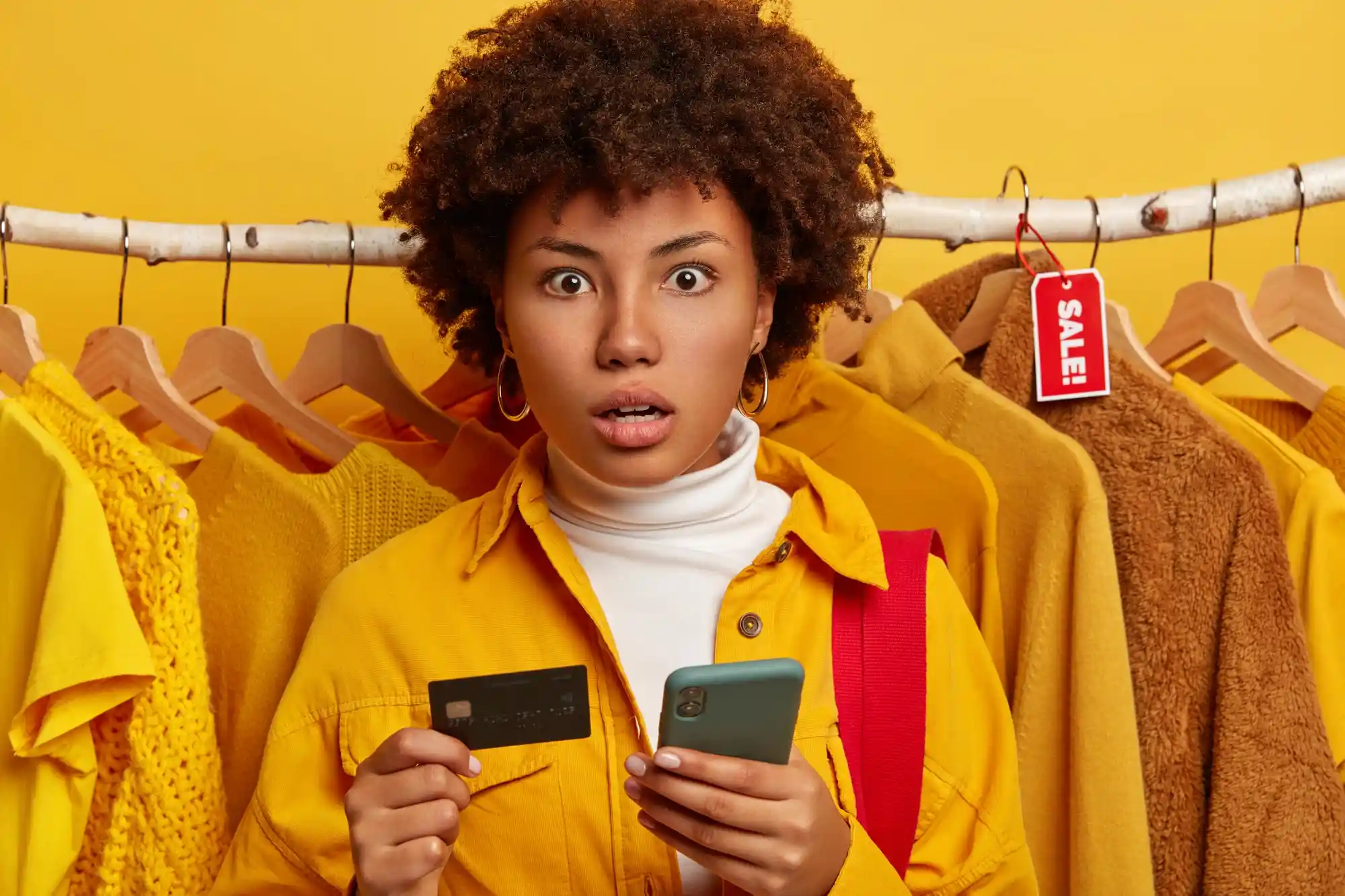
TikTok Shop is using AI to fight a new wave of sophisticated, AI-generated scammers. This is the new front in the e-commerce integrity wars.
TikTok Shop’s AI Fraud War: Inside the Fight Against ‘Organized Crime’
The AI "slop" problem isn't just clogging your search results anymore—it's coming for your shopping cart. Generative AI has officially become a serious headache for TikTok Shop, spawning a new, sophisticated class of digital fraudsters.
According to TikTok Shop executive Nicolas Waldmann, the platform is fighting a wave of bad actors using AI to generate fake brands, list "dupe" products, and sell goods that simply don't exist. This isn't just a few rogue sellers. "It's organized crime," Waldmann said, describing operations where scammers take the money and run, never delivering a product. While e-commerce fraud is old, generative AI has supercharged the methods, making fake listings more convincing and scalable than ever before.
Deeper Insight / Trend Connection
This signals a critical escalation in the platform trust and safety war. For years, moderation was about spotting bad humans. Now, it's about spotting bad AI. Generative AI dramatically lowers the barrier to entry for criminals, allowing them to create thousands of plausible-looking fake product listings, complete with unique branding and descriptions, at virtually no cost.
This problem isn't unique to TikTok; Amazon has been vocal about its own AI-powered fight against counterfeits. But for TikTok Shop, the stakes are different. Its entire model is built on high-velocity social commerce, where trends and impulsive buys are the engine. That speed makes it a prime target. If the "feed" becomes indistinguishable from fraud, the entire multi-billion-dollar social commerce experiment is at risk.
An AI Arms Race
The only viable response to AI-driven fraud is, paradoxically, better AI. As Waldmann put it, "We use AI to basically deal with AI."
This is the new front line: an AI-versus-AI arms race in the marketplace. TikTok is deploying its own in-house detection tools, layered with external partnerships, to create an AI Orchestration (AIO) system for governance. This isn't one single model; it's a suite of systems working in concert to:
Detect AI-generated "slop" used to create fake listings at scale.
Authenticate high-risk items, like pre-owned luxury goods.
Flag and remove fraudulent sellers before they can make significant sales.
The company's new report—stating it rejected 70 million products and removed 700,000 sellers in the first half of 2025—is less a victory lap and more a statement of permanent, automated warfare.
Strategic or Industry Implications
This shift from human-led to AI-led moderation has massive implications for brands, sellers, and the platforms themselves.
Trust Becomes Technical: Consumer trust is no longer just about brand reputation; it's about the verifiable integrity of the platform's anti-fraud AI. Platforms that lose this AI arms race will bleed users and legitimate brands.
The “False Positive” Nightmare: For legitimate sellers, the new risk is being wrongly flagged by an overzealous automated system. As TikTok has learned, appealing a ban from an AI is a frustrating experience that can kill a small business.
Authentication as a Service: Expect a boom in third-party AI firms that specialize in digital and physical authentication. Platforms will increasingly outsource this, creating a new "trust stack" for e-commerce.
The Human-in-the-Loop: AI will handle 99.9% of the volume, but skilled human moderators will become more valuable, not less. They will be the high-level operators managing the AI systems and handling the most complex fraud cases.
The Bottom Line: The Authenticity Layer
As generative AI makes the internet infinitely creative, it also makes it infinitely fraudulent. The future of social commerce won't be defined by who has the best algorithm for discovery, but by who has the most robust AI for defense. Trust is now an automated system.
Also Read:
Other Blogs
Other Blogs
Check our other project Blogs with useful insight and information for your businesses



Other Blogs
Other Blogs
Check our other project Blogs with useful insight and information for your businesses