November 7, 2025
Trump’s Team Uses Taylor Swift Song on TikTok
November 7, 2025
Trump’s Team Uses Taylor Swift Song on TikTok
A new Trump TikTok uses Taylor Swift's music, despite his public disdain. The move highlights a chaotic new digital strategy where cultural conflict is content.
Trump’s Team Used A Taylor Swift Song On TikTok. It’s Weirder Than You Think.
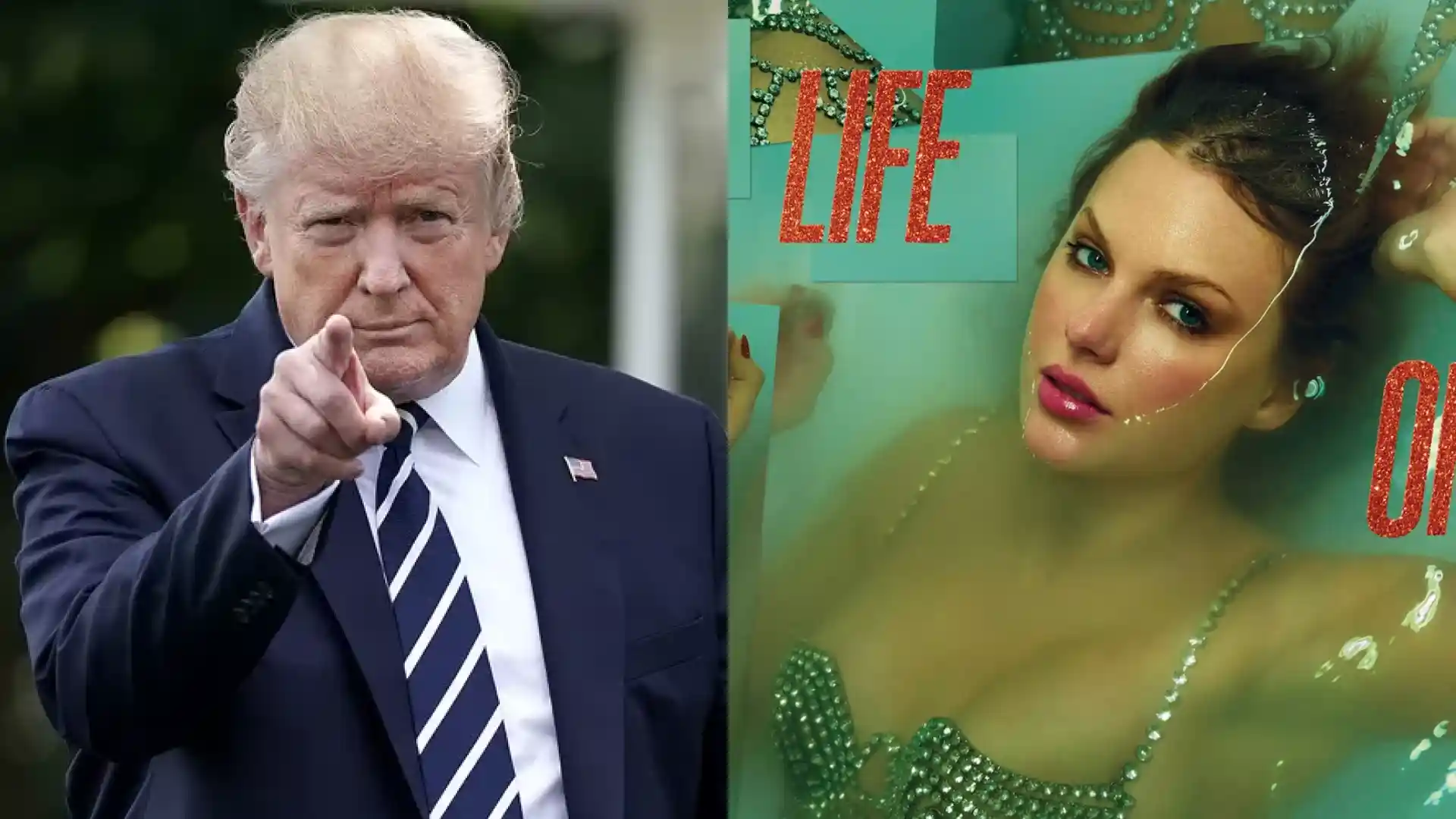
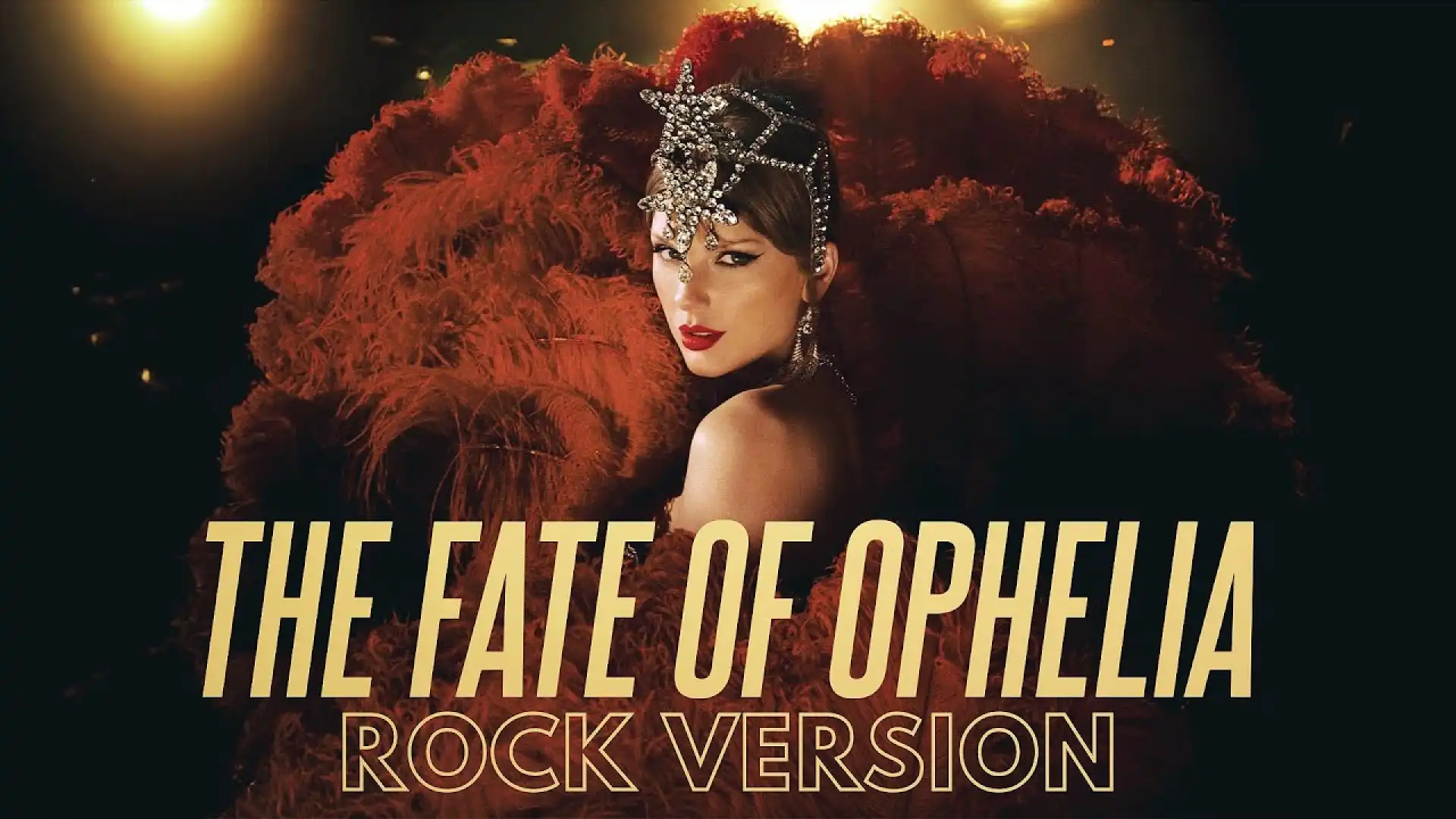
The internet saw a bizarre new artifact of the digital campaign trail this week: a TikTok from the White House featuring Donald Trump, set to the audio of Taylor Swift’s "The Fate of Ophelia."
The 22-second clip, captioned “OUR VIBES,” reimagines the song as “The Fate of America.” It’s a rapid-fire slideshow that juxtaposes images of the military, J.D. Vance, and Melania Trump with the song’s lyrics. In the video's most audacious moment, Swift’s line “Don’t care where the hell you been” is layered over Trump's own mugshot from Atlanta's Fulton County Jail. The post has already secured over half a million likes, proving its algorithmic traction.
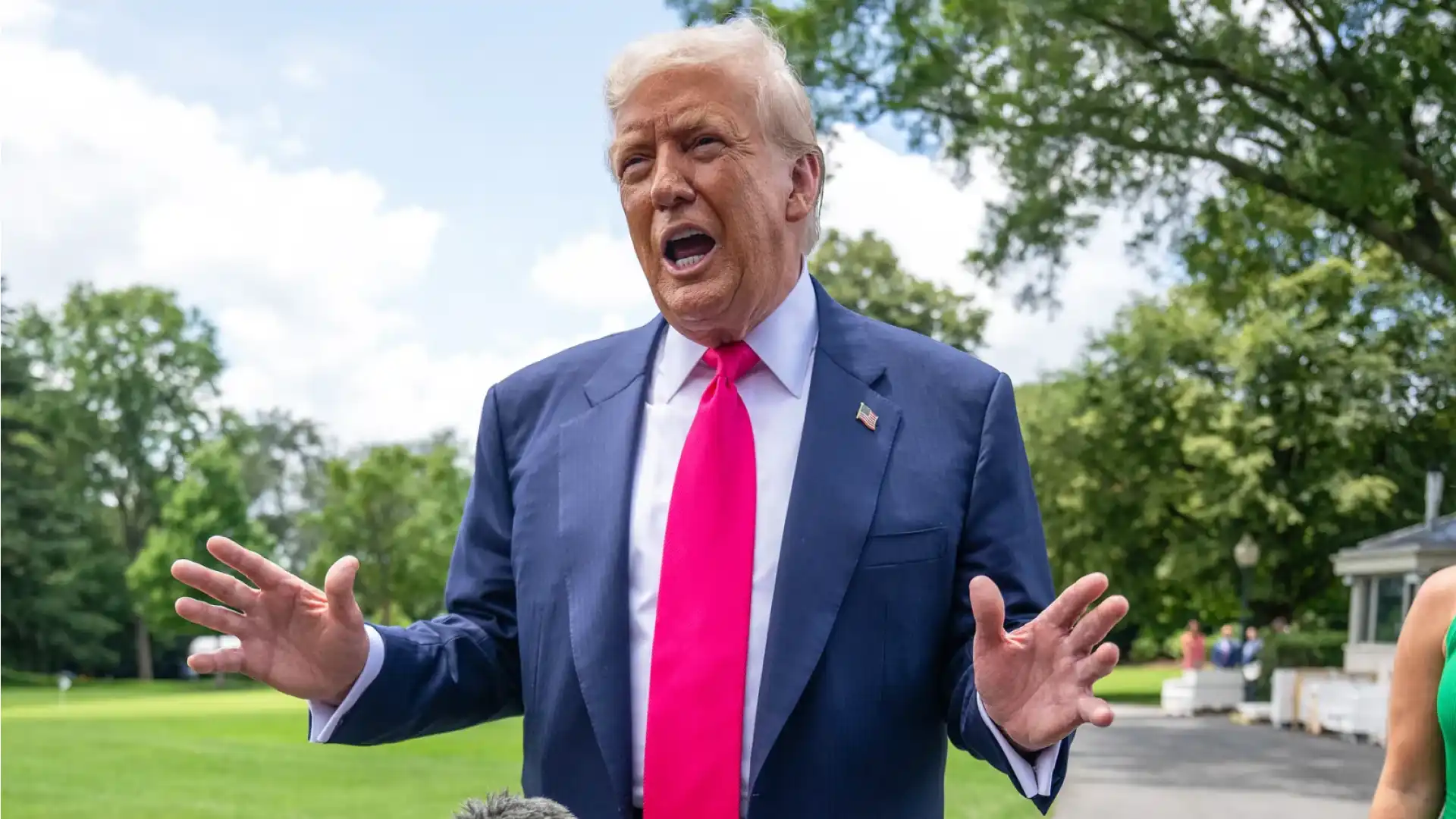
This, of course, comes from a political figure who has repeatedly and publicly stated, “I HATE TAYLOR SWIFT!” It’s a fascinating, if jarring, collision of pop culture and politics, one that moves beyond simple hypocrisy and into a new territory of digital strategy.
Deeper Insight / Trend Connection
This isn't just a case of a social media manager picking a trending sound. This is a deliberate act of cultural appropriation and narrative warfare. The Trump campaign is operating with the chaotic fluency of a high-velocity content creator, not a traditional political entity. They understand a core rule of the current internet: conflict is engagement.
Using the song of a vocal and powerful opponent—one who has endorsed his rivals and criticized him directly—is a power move. It’s designed to provoke a reaction, both from Swift’s fanbase and the media. It also signals a complete disregard for traditional brand safety or logical consistency. In this model, the "vibes" are all that matter, and the primary goal is to dominate the feed by any means necessary. It’s the weaponization of "cringe" as a tool for cultural dominance.
The AI-Adjacent Playbook
This specific video wasn't AI-generated, but it exists in the exact same ecosystem of digital remixing. It’s a human-driven example of AI-adjacent orchestration.
The strategy is simple: scrape the cultural landscape for high-value assets (a trending Taylor Swift song), analyze their engagement potential, and re-deploy them to serve a new narrative—even if that narrative is a direct contradiction of its source. This is the same logic that AI-driven content farms use, but applied to high-stakes politics.
It’s also deeply connected to the AI-disinformation problem Swift has faced herself. She has previously been the subject of AI-generated deepfakes and, ironically, fake AI images that showed her "endorsing" Trump, which he reposted. This new TikTok is the analog-human counterpart to that same digital tactic: "If you can't get the real endorsement, just take the audio and make your own."
Strategic or Industry Implications
This event offers a few stark insights for brands, creators, and platforms in the current attention economy.
For Brands & Artists: Your intellectual property is raw material for political messaging. Copyright and original intent are secondary concerns for campaigns seeking viral moments. Expect to see more "permissionless" co-opting of major cultural assets.
For Platforms (like TikTok): This is a moderation nightmare. The post doesn’t violate a specific rule (it’s just audio), but it’s a deliberate provocation using a high-profile artist's work against her implicit (and explicit) political stance.
For Marketers: The "Trump team" playbook demonstrates that for a certain type of "brand," negative sentiment and chaotic energy can be more powerful engagement drivers than a cohesive, positive message. Authenticity is being replaced by calculated audacity.
The Bottom Line
When the campaign trail becomes a For You Page, logical contradictions are no longer gaffes—they are just high-engagement content.
Also Read:
A new Trump TikTok uses Taylor Swift's music, despite his public disdain. The move highlights a chaotic new digital strategy where cultural conflict is content.
Trump’s Team Used A Taylor Swift Song On TikTok. It’s Weirder Than You Think.
The internet saw a bizarre new artifact of the digital campaign trail this week: a TikTok from the White House featuring Donald Trump, set to the audio of Taylor Swift’s "The Fate of Ophelia."
The 22-second clip, captioned “OUR VIBES,” reimagines the song as “The Fate of America.” It’s a rapid-fire slideshow that juxtaposes images of the military, J.D. Vance, and Melania Trump with the song’s lyrics. In the video's most audacious moment, Swift’s line “Don’t care where the hell you been” is layered over Trump's own mugshot from Atlanta's Fulton County Jail. The post has already secured over half a million likes, proving its algorithmic traction.
This, of course, comes from a political figure who has repeatedly and publicly stated, “I HATE TAYLOR SWIFT!” It’s a fascinating, if jarring, collision of pop culture and politics, one that moves beyond simple hypocrisy and into a new territory of digital strategy.
Deeper Insight / Trend Connection
This isn't just a case of a social media manager picking a trending sound. This is a deliberate act of cultural appropriation and narrative warfare. The Trump campaign is operating with the chaotic fluency of a high-velocity content creator, not a traditional political entity. They understand a core rule of the current internet: conflict is engagement.
Using the song of a vocal and powerful opponent—one who has endorsed his rivals and criticized him directly—is a power move. It’s designed to provoke a reaction, both from Swift’s fanbase and the media. It also signals a complete disregard for traditional brand safety or logical consistency. In this model, the "vibes" are all that matter, and the primary goal is to dominate the feed by any means necessary. It’s the weaponization of "cringe" as a tool for cultural dominance.
The AI-Adjacent Playbook
This specific video wasn't AI-generated, but it exists in the exact same ecosystem of digital remixing. It’s a human-driven example of AI-adjacent orchestration.
The strategy is simple: scrape the cultural landscape for high-value assets (a trending Taylor Swift song), analyze their engagement potential, and re-deploy them to serve a new narrative—even if that narrative is a direct contradiction of its source. This is the same logic that AI-driven content farms use, but applied to high-stakes politics.
It’s also deeply connected to the AI-disinformation problem Swift has faced herself. She has previously been the subject of AI-generated deepfakes and, ironically, fake AI images that showed her "endorsing" Trump, which he reposted. This new TikTok is the analog-human counterpart to that same digital tactic: "If you can't get the real endorsement, just take the audio and make your own."
Strategic or Industry Implications
This event offers a few stark insights for brands, creators, and platforms in the current attention economy.
For Brands & Artists: Your intellectual property is raw material for political messaging. Copyright and original intent are secondary concerns for campaigns seeking viral moments. Expect to see more "permissionless" co-opting of major cultural assets.
For Platforms (like TikTok): This is a moderation nightmare. The post doesn’t violate a specific rule (it’s just audio), but it’s a deliberate provocation using a high-profile artist's work against her implicit (and explicit) political stance.
For Marketers: The "Trump team" playbook demonstrates that for a certain type of "brand," negative sentiment and chaotic energy can be more powerful engagement drivers than a cohesive, positive message. Authenticity is being replaced by calculated audacity.
The Bottom Line
When the campaign trail becomes a For You Page, logical contradictions are no longer gaffes—they are just high-engagement content.
Also Read:
Other Blogs
Other Blogs
Check our other project Blogs with useful insight and information for your businesses
Other Blogs
Other Blogs
Check our other project Blogs with useful insight and information for your businesses