November 19, 2025
TikTok’s New ‘Reality Dial’ Lets You Mute AI-Generated Chaos
November 19, 2025
TikTok’s New ‘Reality Dial’ Lets You Mute AI-Generated Chaos
TikTok unveils an AI volume knob for your feed and invisible watermarking to track synthetic media, signaling a major shift in digital transparency.
The Algorithmic Pivot: Handing Users the Remote
The infinite scroll is facing a synthetic crisis. As generative AI tools become democratized, the volume of machine-generated content flooding platforms like TikTok has exploded, blurring the lines between creator authenticity and algorithmic drift. Until now, the "For You" feed was a passive experience—you watched what the black box served you. Today, TikTok is acknowledging that the flood of synthetic media requires a dam.
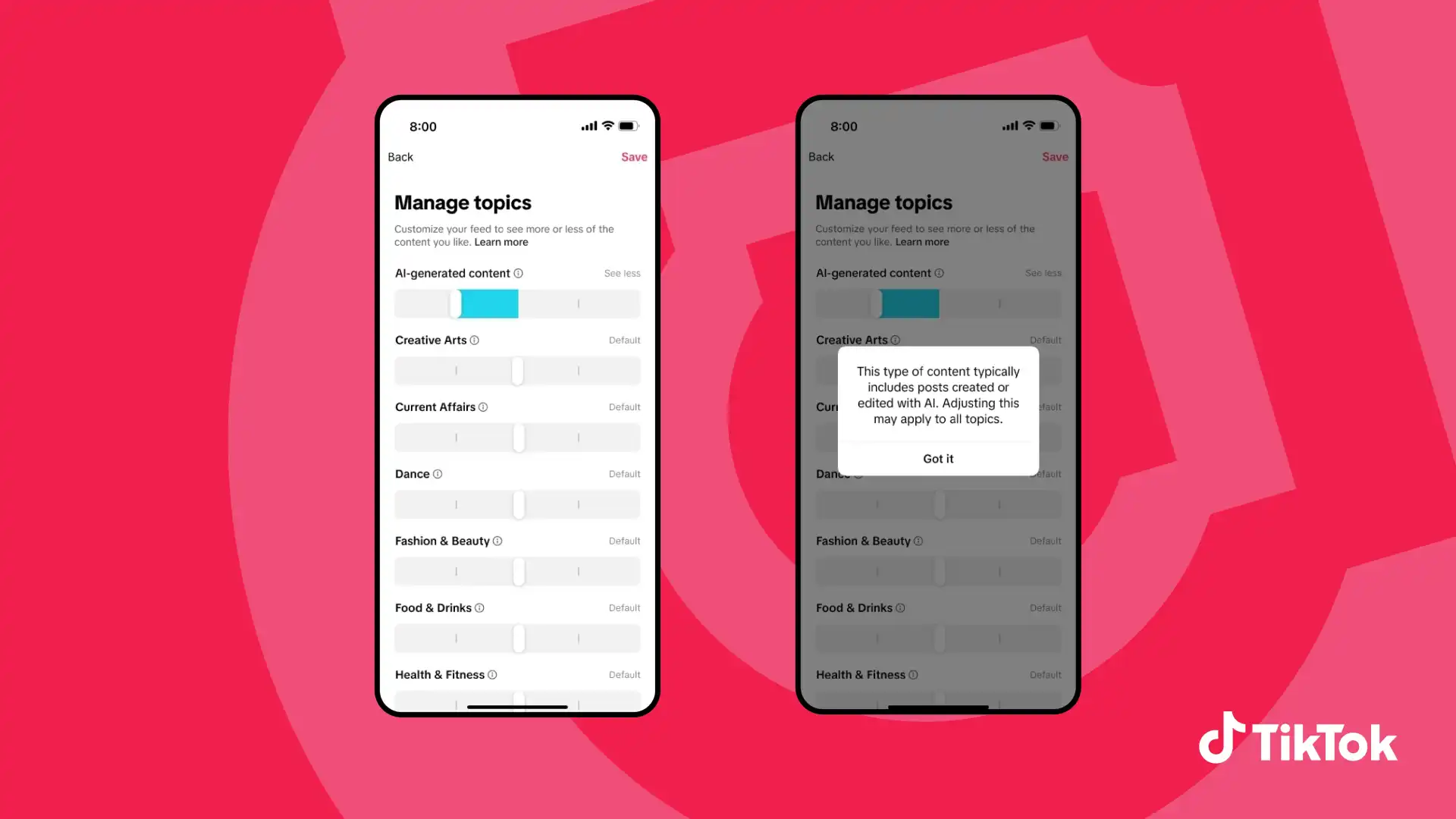
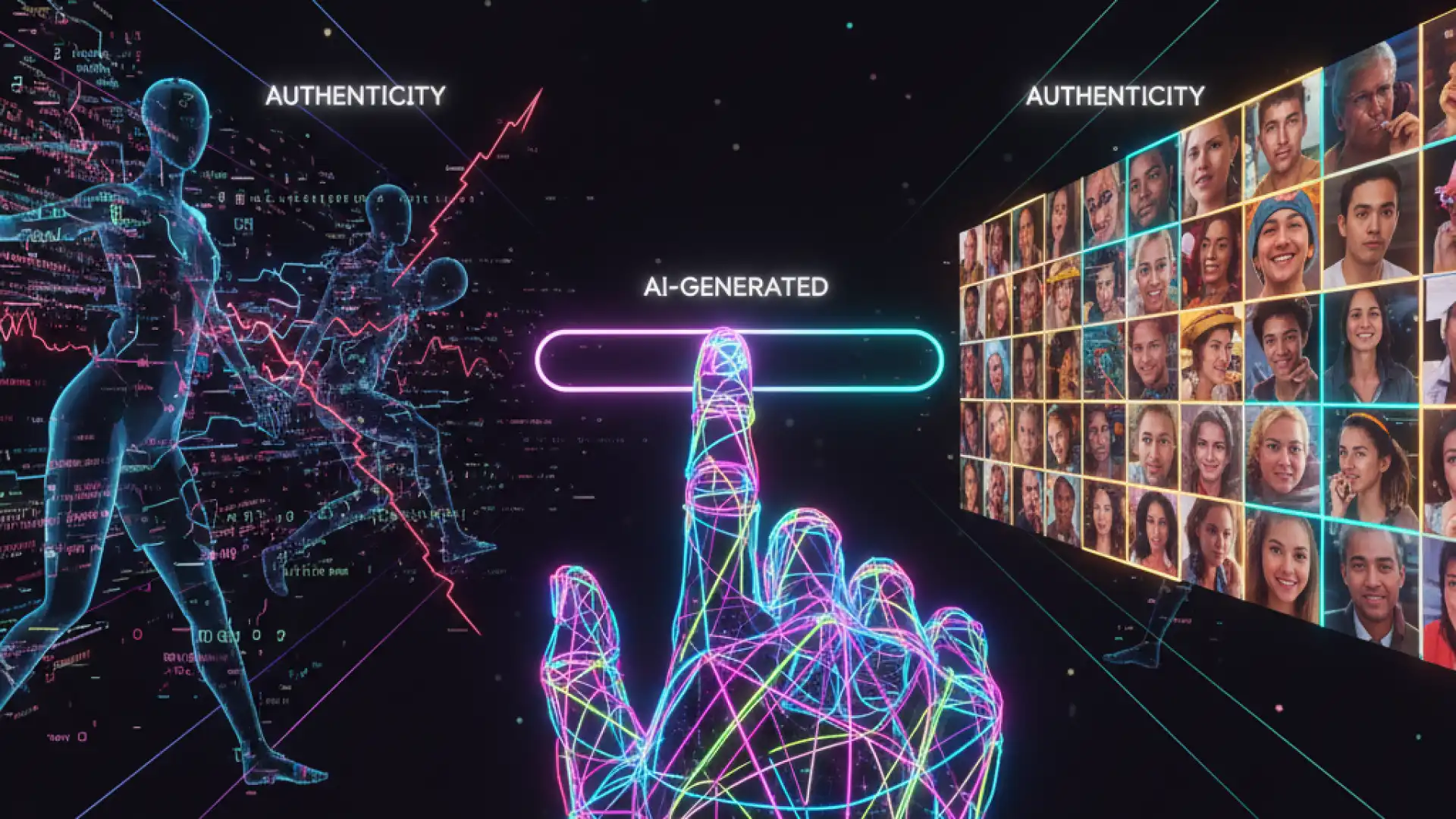
In a significant move toward user agency, the platform announced it is testing a new control within its "Manage Topics" feature that allows users to dictate the density of AI-generated content (AIGC) in their feeds. Much like existing filters for "Sports" or "Food," users can now dial up or dial down the presence of AI, effectively creating a personalized threshold for synthetic reality.
But the update isn’t just about user preference; it’s about digital provenance. Alongside the feed controls, TikTok is rolling out "invisible watermarking" technology. While they have already labeled over 1.3 billion videos using C2PA (Coalition for Content Provenance and Authenticity) metadata, they are now embedding detection markers directly into the content that persist even if the metadata is stripped during re-uploads or editing.
The Opt-In Internet and Synthetic Saturation
This development signals a critical inflection point in the social media landscape: the shift from "AI by default" to "AI by consent."
For the last two years, platforms have raced to integrate generative tools, assuming that more content equals higher engagement. However, the rise of "AI slop"—low-effort, mass-produced synthetic content—threatens to degrade the user experience. If users feel they are watching a dead internet populated by bots, retention drops. TikTok’s move to let users filter AIGC is a tacit admission that not all content is created equal, and that "human-made" is becoming a premium category.
This also highlights the limits of current labeling standards. Metadata is fragile. It can be wiped when a video is screen-recorded or processed through a third-party app. By introducing invisible watermarking, TikTok is attempting to build a more robust chain of custody for digital assets. This isn't just about spotting a deepfake of a celebrity; it's about preserving the integrity of the platform's ecosystem. If they cannot reliably distinguish between a creator’s vlog and a generated avatar, the advertising model—which relies on authentic influence—begins to crumble.
The AIO Layer: Watermarking as Data Governance
From an Artificial Intelligence Orchestration (AIO) perspective, TikTok is deploying a dual-layer defense system against model collapse and data pollution.
The Invisible Layer:
The introduction of invisible watermarking represents a sophisticated step in adversarial defense. Generative models function by learning patterns, but they also need to know what not to learn. By embedding imperceptible machine-readable signals into video frames, TikTok creates a permanent identifier. This allows their detection algorithms to identify AIGC even after it has been compressed, cropped, or filtered. It transforms the video file from a simple visual asset into a smart container carrying its own history.
The Feedback Loop:
The new "Manage Topics" slider for AIGC serves as a massive Reinforcement Learning from Human Feedback (RLHF) mechanism. By letting millions of users explicitly vote on whether they want more or less AI content, TikTok is gathering invaluable data on the market viability of synthetic media. This data will likely shape how their recommendation algorithms weigh AI content in the future, optimizing the blend of human and machine creativity based on actual user sentiment rather than assumed engagement.
Strategic Implications for the Creator Economy
For brands, creators, and agencies, this update rewrites the rules of engagement on the platform. The "spray and pray" method of using AI to mass-produce content now carries a higher risk of being filtered into oblivion.
The Authenticity Premium: If a significant portion of the user base opts to reduce AIGC in their feeds, human-centric content becomes instantly more valuable. Brands should double down on personality-driven, raw, and unmistakably human storytelling.
Compliance is Non-Negotiable: With the integration of C2PA and invisible watermarking, trying to pass off AI content as organic is a losing strategy. The algorithm will know, and now, it might penalize you for it. Transparency is no longer an ethical choice; it’s a visibility requirement.
The Rise of "AI Literacy" Marketing: TikTok’s $2M investment in educational funds (partnering with groups like GirlsWhoCode) suggests that platforms are shifting liability to the user. Brands that educate their audience on how they use AI will build trust faster than those who hide it.
Algorithmic Segmentation: We are moving toward a bifurcated feed. There will be "AI-native" feeds for users who enjoy surreal, generated entertainment, and "traditional" feeds for those seeking human connection. Marketers need to decide which stream they are swimming in.
The Bottom Line
TikTok is handing the "reality remote" back to the user, transforming AI from an overwhelming flood into a curated channel. As invisible watermarks become the standard for digital truth, the most successful creators won't be the ones with the best prompts, but the ones who can prove they are actually human.
Also Read:
TikTok unveils an AI volume knob for your feed and invisible watermarking to track synthetic media, signaling a major shift in digital transparency.
The Algorithmic Pivot: Handing Users the Remote
The infinite scroll is facing a synthetic crisis. As generative AI tools become democratized, the volume of machine-generated content flooding platforms like TikTok has exploded, blurring the lines between creator authenticity and algorithmic drift. Until now, the "For You" feed was a passive experience—you watched what the black box served you. Today, TikTok is acknowledging that the flood of synthetic media requires a dam.
In a significant move toward user agency, the platform announced it is testing a new control within its "Manage Topics" feature that allows users to dictate the density of AI-generated content (AIGC) in their feeds. Much like existing filters for "Sports" or "Food," users can now dial up or dial down the presence of AI, effectively creating a personalized threshold for synthetic reality.
But the update isn’t just about user preference; it’s about digital provenance. Alongside the feed controls, TikTok is rolling out "invisible watermarking" technology. While they have already labeled over 1.3 billion videos using C2PA (Coalition for Content Provenance and Authenticity) metadata, they are now embedding detection markers directly into the content that persist even if the metadata is stripped during re-uploads or editing.
The Opt-In Internet and Synthetic Saturation
This development signals a critical inflection point in the social media landscape: the shift from "AI by default" to "AI by consent."
For the last two years, platforms have raced to integrate generative tools, assuming that more content equals higher engagement. However, the rise of "AI slop"—low-effort, mass-produced synthetic content—threatens to degrade the user experience. If users feel they are watching a dead internet populated by bots, retention drops. TikTok’s move to let users filter AIGC is a tacit admission that not all content is created equal, and that "human-made" is becoming a premium category.
This also highlights the limits of current labeling standards. Metadata is fragile. It can be wiped when a video is screen-recorded or processed through a third-party app. By introducing invisible watermarking, TikTok is attempting to build a more robust chain of custody for digital assets. This isn't just about spotting a deepfake of a celebrity; it's about preserving the integrity of the platform's ecosystem. If they cannot reliably distinguish between a creator’s vlog and a generated avatar, the advertising model—which relies on authentic influence—begins to crumble.
The AIO Layer: Watermarking as Data Governance
From an Artificial Intelligence Orchestration (AIO) perspective, TikTok is deploying a dual-layer defense system against model collapse and data pollution.
The Invisible Layer:
The introduction of invisible watermarking represents a sophisticated step in adversarial defense. Generative models function by learning patterns, but they also need to know what not to learn. By embedding imperceptible machine-readable signals into video frames, TikTok creates a permanent identifier. This allows their detection algorithms to identify AIGC even after it has been compressed, cropped, or filtered. It transforms the video file from a simple visual asset into a smart container carrying its own history.
The Feedback Loop:
The new "Manage Topics" slider for AIGC serves as a massive Reinforcement Learning from Human Feedback (RLHF) mechanism. By letting millions of users explicitly vote on whether they want more or less AI content, TikTok is gathering invaluable data on the market viability of synthetic media. This data will likely shape how their recommendation algorithms weigh AI content in the future, optimizing the blend of human and machine creativity based on actual user sentiment rather than assumed engagement.
Strategic Implications for the Creator Economy
For brands, creators, and agencies, this update rewrites the rules of engagement on the platform. The "spray and pray" method of using AI to mass-produce content now carries a higher risk of being filtered into oblivion.
The Authenticity Premium: If a significant portion of the user base opts to reduce AIGC in their feeds, human-centric content becomes instantly more valuable. Brands should double down on personality-driven, raw, and unmistakably human storytelling.
Compliance is Non-Negotiable: With the integration of C2PA and invisible watermarking, trying to pass off AI content as organic is a losing strategy. The algorithm will know, and now, it might penalize you for it. Transparency is no longer an ethical choice; it’s a visibility requirement.
The Rise of "AI Literacy" Marketing: TikTok’s $2M investment in educational funds (partnering with groups like GirlsWhoCode) suggests that platforms are shifting liability to the user. Brands that educate their audience on how they use AI will build trust faster than those who hide it.
Algorithmic Segmentation: We are moving toward a bifurcated feed. There will be "AI-native" feeds for users who enjoy surreal, generated entertainment, and "traditional" feeds for those seeking human connection. Marketers need to decide which stream they are swimming in.
The Bottom Line
TikTok is handing the "reality remote" back to the user, transforming AI from an overwhelming flood into a curated channel. As invisible watermarks become the standard for digital truth, the most successful creators won't be the ones with the best prompts, but the ones who can prove they are actually human.
Also Read:
Other Blogs
Other Blogs
Check our other project Blogs with useful insight and information for your businesses

Other Blogs
Other Blogs
Check our other project Blogs with useful insight and information for your businesses