November 19, 2025
TikTok’s Wellness Pivot: Can Algorithms Cure Addiction?
November 19, 2025
TikTok’s Wellness Pivot: Can Algorithms Cure Addiction?
TikTok launches a Time and Well-being space, gamifying digital detox. Here’s what it means for the attention economy and algorithmic wellness.
The Paradox of “Peaceful” Scrolling
The irony of the modern digital experience is that the very platforms we use to dissociate from the stress of reality are often the architects of our anxiety. For years, the narrative surrounding TikTok has been one of dopamine loops, fragmented attention spans, and the relentless velocity of the For You Page (FYP). But the ByteDance-owned giant is attempting a significant pivot in its user value proposition: moving from a platform of pure consumption to one of restoration.
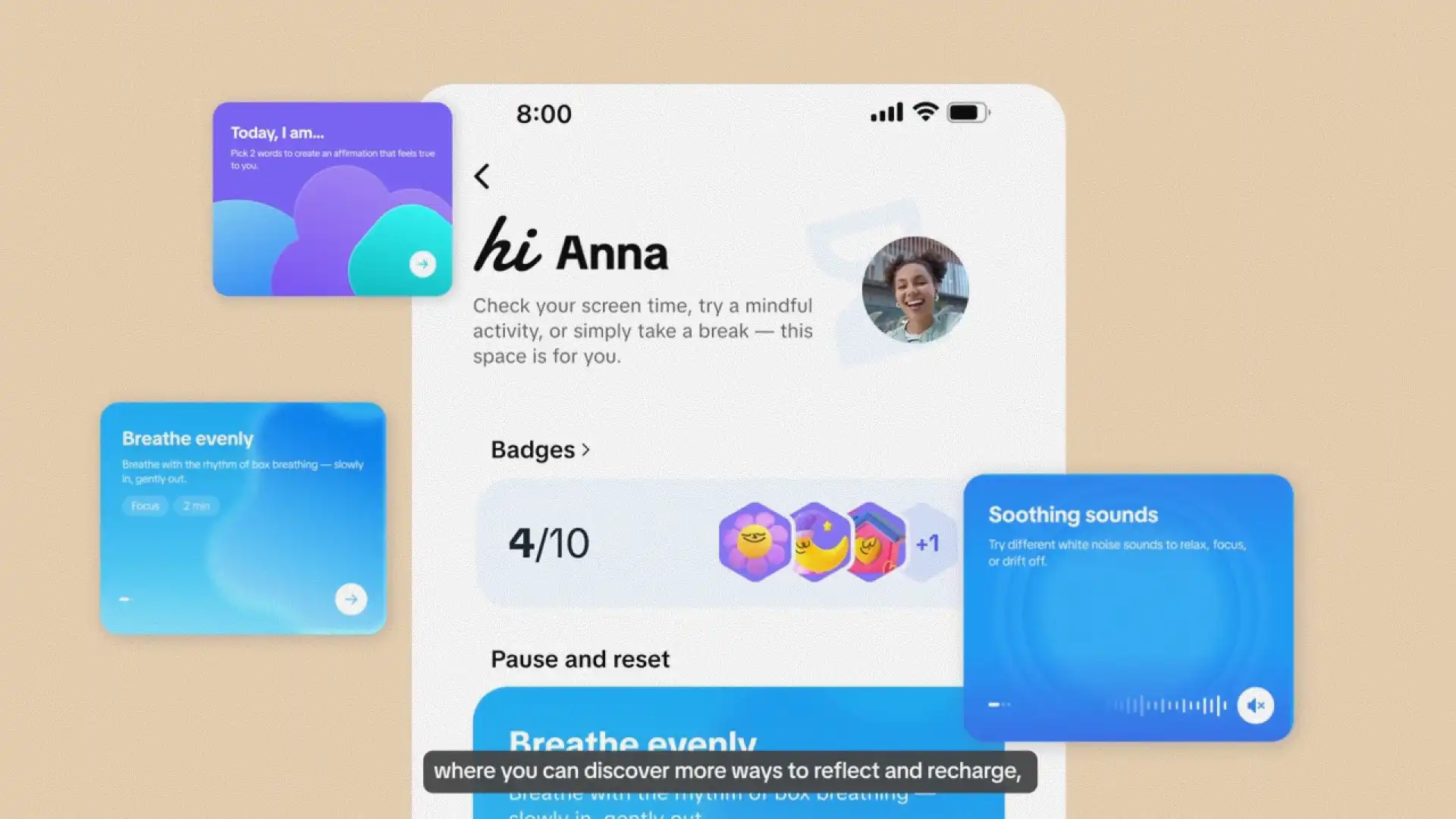
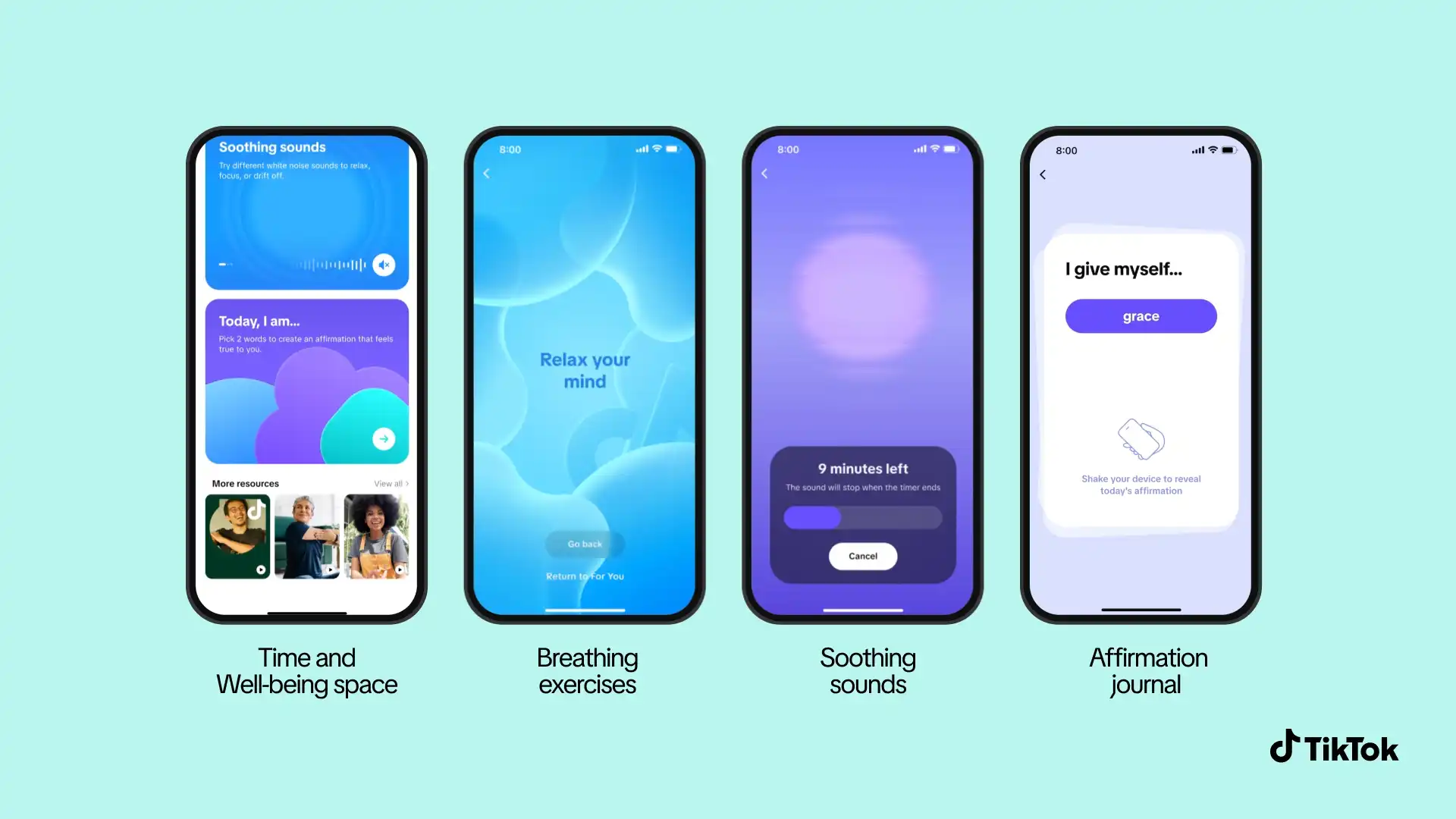
With the launch of its new "Time and Well-being" space, TikTok is effectively trying to solve the problem it helped invent. The update replaces the utilitarian screen time management menu with a suite of "ambient wellness" tools—affirmational journals, white noise generators (rain, waves), and breathing exercises.
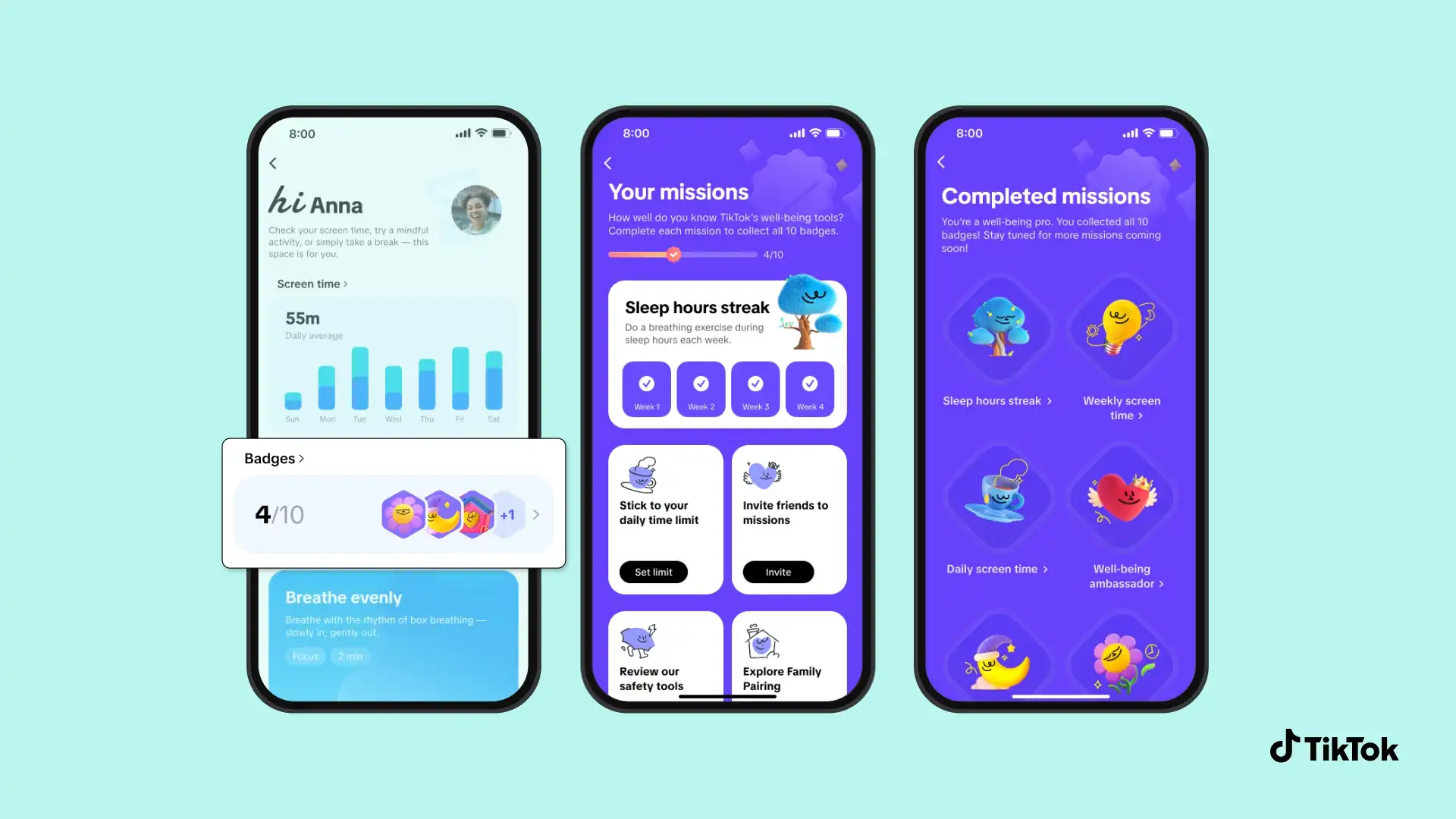
This isn't just a UI update; it’s a fundamental shift in how social platforms view user retention. By introducing gamified "Well-being Missions"—where users grow a virtual tree by not using the app at night—TikTok is acknowledging a critical tipping point in the attention economy. The goal is no longer just maximizing "time spent"; it is about optimizing "sentiment during time spent." If the user burns out, they leave. If they feel "recharged" by the app, the retention loop strengthens.
The Super App Strategy: Wellness as a Service
While on the surface this appears to be a Corporate Social Responsibility (CSR) move to appease regulators and concerned parents, a deeper look reveals a strategic encroachment on the "Super App" territory.
Historically, if a user wanted to meditate, they would close TikTok and open Headspace or Calm. If they wanted to journal, they’d open Day One. By embedding these features natively, TikTok is executing a classic platform consolidation play. They are removing the friction of leaving the app to find peace.
This signals a broader trend in the digital ecosystem: The Internalization of Detox. Tech giants are realizing that "digital detox" is a massive market, but they don't want you to actually detox offline. They want you to detox within their walled gardens.
The involvement of the "Youth Council" and partnerships with the Digital Wellness Lab suggests that TikTok is trying to move away from "punitive" measures (like hard lockouts) toward "agency-based" design. The data supports the pivot: TikTok claims its users are 14% more likely than non-users to utilize audio for sleep. By capitalizing on existing user behaviors—like the explosion of #JournalTok and #NatureTok—the platform is turning community subcultures into hard-coded product features.
The AI + AIO Layer: Orchestrating Mood
This development is a prime example of Intelligence Orchestration (AIO) applied to user psychology. While the press release emphasizes manual tools (user-selected journals), the underlying implication for the AI stack is profound.
Currently, the TikTok algorithm is the world’s most efficient engine for engagement prediction. It knows what keeps you watching. The introduction of a "Time and Well-being" layer suggests a future where the AI doesn't just optimize for views, but potentially orchestrates for state of mind.
Consider the following intersections of AI and this new feature set:
Algorithmic Triage: In the future, AIO systems could detect "doomscrolling" behavior patterns—rapid swiping, negative sentiment interaction—and automatically inject a "Well-being Mission" or a breathing exercise into the feed, effectively acting as a circuit breaker for anxiety.
Sentiment-Driven FYP: If a user engages heavily with the new sleep sounds or affirmation cards, the recommendation algorithm gathers a new layer of data. It learns not just what entertains the user, but what soothes them. This allows the AI to mix high-energy entertainment with low-stimulation "rest" content, creating a more sustainable pacing for the user session.
The Gamification of Non-Usage: The "Sleep Hours Mission," where users earn badges for staying offline, is a fascinating algorithmic inversion. The system is rewarding absence. This trains the AI model to understand that the "best" user isn't the one online 24/7, but the one with a sustainable, long-term relationship with the platform.
Strategic Implications for the Creator Economy
For brands, creators, and industry observers, this shift toward in-app wellness opens new strategic doors. The era of "hustle culture" content is waning, replaced by "soft life" and "mindful tech" narratives.
The Rise of "TherapyTok" Legitimacy:
The integration of board-certified experts like Dr. Willough Jenkins directly into the feed signals a move toward "Verified Wellness." Brands in the health space should look to partner with credentialed creators who can bridge the gap between medical advice and algorithmic entertainment.Ambient Brand Marketing:
With the introduction of sound generators and journals, there is an opening for "ambient" branding. Think Lo-Fi beats playlists sponsored by beverage companies, or branded affirmation templates. Marketing is moving from "interruption" to "immersion."Regulatory Defense as a Feature:
For tech executives, this is a blueprint on how to handle regulation. Instead of waiting for governments to impose strict screen time limits, TikTok is building a "wellness infrastructure" that it can point to as evidence of self-regulation. It changes the conversation from "TikTok is addictive" to "TikTok provides tools for balance."The "Third Place" Evolution:
Social media is competing to be the digital "Third Place" (not work, not home). By adding sleep and meditation tools, TikTok is positioning itself as the "bedroom" of the internet, not just the "living room."
The Bottom Line
TikTok is betting that the future of the internet isn't about capturing 100% of your attention—it’s about capturing the quality of your attention. By gamifying the act of logging off, they paradoxically ensure you’ll be back tomorrow, refreshed and ready to scroll.
Also Read:
TikTok launches a Time and Well-being space, gamifying digital detox. Here’s what it means for the attention economy and algorithmic wellness.
The Paradox of “Peaceful” Scrolling
The irony of the modern digital experience is that the very platforms we use to dissociate from the stress of reality are often the architects of our anxiety. For years, the narrative surrounding TikTok has been one of dopamine loops, fragmented attention spans, and the relentless velocity of the For You Page (FYP). But the ByteDance-owned giant is attempting a significant pivot in its user value proposition: moving from a platform of pure consumption to one of restoration.
With the launch of its new "Time and Well-being" space, TikTok is effectively trying to solve the problem it helped invent. The update replaces the utilitarian screen time management menu with a suite of "ambient wellness" tools—affirmational journals, white noise generators (rain, waves), and breathing exercises.
This isn't just a UI update; it’s a fundamental shift in how social platforms view user retention. By introducing gamified "Well-being Missions"—where users grow a virtual tree by not using the app at night—TikTok is acknowledging a critical tipping point in the attention economy. The goal is no longer just maximizing "time spent"; it is about optimizing "sentiment during time spent." If the user burns out, they leave. If they feel "recharged" by the app, the retention loop strengthens.
The Super App Strategy: Wellness as a Service
While on the surface this appears to be a Corporate Social Responsibility (CSR) move to appease regulators and concerned parents, a deeper look reveals a strategic encroachment on the "Super App" territory.
Historically, if a user wanted to meditate, they would close TikTok and open Headspace or Calm. If they wanted to journal, they’d open Day One. By embedding these features natively, TikTok is executing a classic platform consolidation play. They are removing the friction of leaving the app to find peace.
This signals a broader trend in the digital ecosystem: The Internalization of Detox. Tech giants are realizing that "digital detox" is a massive market, but they don't want you to actually detox offline. They want you to detox within their walled gardens.
The involvement of the "Youth Council" and partnerships with the Digital Wellness Lab suggests that TikTok is trying to move away from "punitive" measures (like hard lockouts) toward "agency-based" design. The data supports the pivot: TikTok claims its users are 14% more likely than non-users to utilize audio for sleep. By capitalizing on existing user behaviors—like the explosion of #JournalTok and #NatureTok—the platform is turning community subcultures into hard-coded product features.
The AI + AIO Layer: Orchestrating Mood
This development is a prime example of Intelligence Orchestration (AIO) applied to user psychology. While the press release emphasizes manual tools (user-selected journals), the underlying implication for the AI stack is profound.
Currently, the TikTok algorithm is the world’s most efficient engine for engagement prediction. It knows what keeps you watching. The introduction of a "Time and Well-being" layer suggests a future where the AI doesn't just optimize for views, but potentially orchestrates for state of mind.
Consider the following intersections of AI and this new feature set:
Algorithmic Triage: In the future, AIO systems could detect "doomscrolling" behavior patterns—rapid swiping, negative sentiment interaction—and automatically inject a "Well-being Mission" or a breathing exercise into the feed, effectively acting as a circuit breaker for anxiety.
Sentiment-Driven FYP: If a user engages heavily with the new sleep sounds or affirmation cards, the recommendation algorithm gathers a new layer of data. It learns not just what entertains the user, but what soothes them. This allows the AI to mix high-energy entertainment with low-stimulation "rest" content, creating a more sustainable pacing for the user session.
The Gamification of Non-Usage: The "Sleep Hours Mission," where users earn badges for staying offline, is a fascinating algorithmic inversion. The system is rewarding absence. This trains the AI model to understand that the "best" user isn't the one online 24/7, but the one with a sustainable, long-term relationship with the platform.
Strategic Implications for the Creator Economy
For brands, creators, and industry observers, this shift toward in-app wellness opens new strategic doors. The era of "hustle culture" content is waning, replaced by "soft life" and "mindful tech" narratives.
The Rise of "TherapyTok" Legitimacy:
The integration of board-certified experts like Dr. Willough Jenkins directly into the feed signals a move toward "Verified Wellness." Brands in the health space should look to partner with credentialed creators who can bridge the gap between medical advice and algorithmic entertainment.Ambient Brand Marketing:
With the introduction of sound generators and journals, there is an opening for "ambient" branding. Think Lo-Fi beats playlists sponsored by beverage companies, or branded affirmation templates. Marketing is moving from "interruption" to "immersion."Regulatory Defense as a Feature:
For tech executives, this is a blueprint on how to handle regulation. Instead of waiting for governments to impose strict screen time limits, TikTok is building a "wellness infrastructure" that it can point to as evidence of self-regulation. It changes the conversation from "TikTok is addictive" to "TikTok provides tools for balance."The "Third Place" Evolution:
Social media is competing to be the digital "Third Place" (not work, not home). By adding sleep and meditation tools, TikTok is positioning itself as the "bedroom" of the internet, not just the "living room."
The Bottom Line
TikTok is betting that the future of the internet isn't about capturing 100% of your attention—it’s about capturing the quality of your attention. By gamifying the act of logging off, they paradoxically ensure you’ll be back tomorrow, refreshed and ready to scroll.
Also Read:
Other Blogs
Other Blogs
Check our other project Blogs with useful insight and information for your businesses

Other Blogs
Other Blogs
Check our other project Blogs with useful insight and information for your businesses